


The Raw Banana Advantage
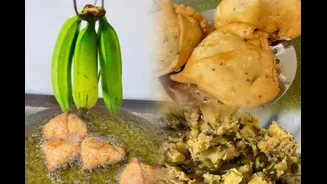
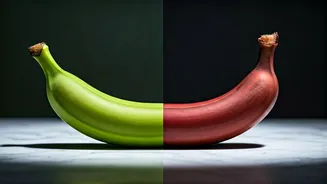
Elevate your snack game with the humble raw banana, a fantastic substitute for the conventional potato in your beloved samosas. Beyond offering a unique
flavour profile, raw bananas are a powerhouse of dietary fibre, contributing to a healthier digestive system and a feeling of fullness. This makes your favourite crispy treat significantly more guilt-free. Embracing this ingredient not only introduces a delightful new taste but also transforms a typically indulgent snack into a more nourishing option. The natural nutrients present in raw bananas further enhance their appeal as a wholesome ingredient, making these samosas a smart choice for those mindful of their well-being without compromising on taste.
Flavorful Samosa Filling
To begin crafting your flavourful samosa stuffing, first prepare the raw bananas by washing them thoroughly and then pressure cooking them until they are tender, usually requiring about 2-3 whistles. Once they have cooled down sufficiently, peel them carefully and mash them thoroughly to create a smooth base. In a separate pan, gently heat a small amount of oil. Sauté finely chopped green chillies and grated ginger for a minute until their aromas are released. Introduce the mashed raw bananas into this sautéed mixture. Now, season with salt to your preference, along with red chilli powder, coriander powder, and a pinch of garam masala. Continue to cook this mixture for a few minutes, allowing all the spices to meld beautifully with the banana. Finally, stir in freshly chopped coriander leaves to add a burst of freshness. Allow this prepared filling to cool completely before proceeding to shape your samosas. This step ensures that the stuffing is firm and easy to handle, leading to perfectly formed samosas.
Crafting the Dough
Creating the perfect dough is crucial for achieving that signature samosa crispiness. In a mixing bowl, combine one cup of all-purpose flour (maida) with salt according to your taste. Add two tablespoons of oil to the flour mixture. Rub the oil into the flour using your fingertips until it resembles coarse breadcrumbs. This step is essential for developing a flaky texture in the final dough. Gradually incorporate water, a little at a time, while mixing and kneading until you form a firm, non-sticky dough. Be careful not to make the dough too soft, as this can lead to greasy samosas. Once the dough is well-kneaded, cover it with a damp cloth or plastic wrap and let it rest for approximately 10 to 15 minutes. This resting period allows the gluten to relax, making the dough easier to roll out smoothly and shape into perfect samosas.
Shaping and Frying Technique
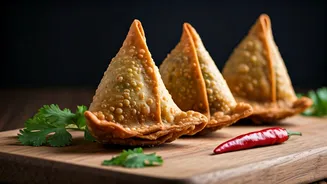
With your dough rested and filling prepared, it’s time to assemble the samosas. Divide the dough into small, equal-sized balls. Take one ball and roll it out on a lightly floured surface into a thin oval or circle shape. Cut this rolled-out dough in half. Take one half and carefully shape it into a cone by overlapping the straight edges and sealing them with a little water. Spoon the cooled raw banana filling generously into this cone, ensuring not to overfill. Moisten the inner edge of the open side of the cone and press it firmly to seal the samosa, creating the classic triangular shape. Repeat this process for all the dough balls and filling. For frying, heat oil in a deep pan over medium to low heat. Carefully slide the shaped samosas into the hot oil, ensuring not to overcrowd the pan. Fry them slowly, turning occasionally, until they achieve a beautiful golden brown colour and a perfectly crispy exterior. Slow frying is key to ensuring the samosas cook evenly through and develop a satisfying crunch. Once fried to perfection, remove them from the oil and place them on absorbent paper towels to drain any excess oil before serving.