






The Oral-Heart Connection
It turns out that the simple act of brushing your teeth before bed plays a more significant role in your overall health than just preventing cavities.
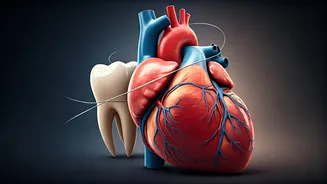
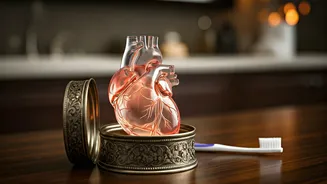
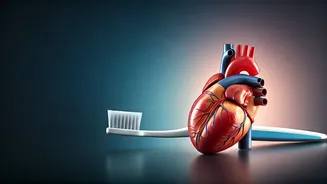
Physicians are increasingly highlighting a direct correlation between robust oral hygiene practices and a reduced risk of cardiovascular disease. When you fail to brush, especially at night, you create an environment where bacteria can thrive. These microscopic organisms can then find their way into your bloodstream, potentially initiating a cascade of inflammatory responses that, over time, can negatively impact your heart. While skipping brushing doesn't solely cause heart disease, it's recognized as a contributing factor among many that can elevate your risk profile for conditions like heart failure. The consensus among experts is that consistent and thorough oral care is an accessible, yet powerful, strategy for supporting your cardiovascular system.
Bacteria's Inflammatory Pathway
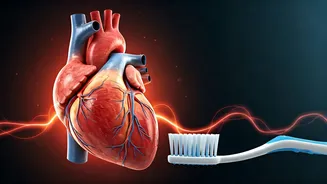
When nighttime brushing is skipped, plaque and bacteria rapidly accumulate on your teeth and gums. These tenacious microbes don't just sit idly; they metabolize food debris and release harmful toxins. These toxins, along with the bacteria themselves, can breach the protective barrier of your mouth and enter your circulatory system. Once in the bloodstream, they can trigger a generalized inflammatory response throughout the body. Chronic inflammation, fueled by persistent exposure to these oral pathogens, can gradually damage the delicate inner lining of your blood vessels. This damage can lead to the formation and thickening of arterial plaque, a process known as atherosclerosis, which narrows arteries and significantly increases the likelihood of experiencing serious cardiovascular events. Therefore, maintaining a clean mouth is crucial for mitigating this inflammatory pathway.
Boosting Heart Health Through Brushing
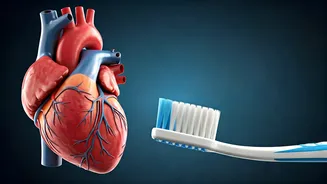
The benefits of frequent brushing extend far beyond just a cleaner mouth; they demonstrably contribute to a healthier heart. Studies suggest that individuals who commit to brushing their teeth at least three times daily, coupled with receiving regular professional dental cleanings, exhibit a noticeably lower incidence of heart disease. This diligent approach to oral care not only combats issues like gum disease and tooth loss but also acts as a proactive measure for cardiovascular well-being. Experts consider maintaining good oral hygiene to be one of the most straightforward and effective methods available for supporting the health of your heart. It's a tangible habit that yields significant rewards for your circulatory system, making it an indispensable part of a holistic health regimen.
Integrating Oral Care in Routine
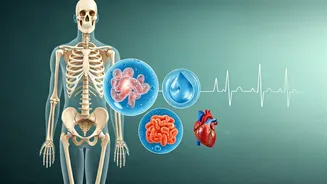
Assessing your overall risk for heart disease involves a holistic view of various health indicators. Factors such as maintaining healthy blood pressure, managing cholesterol and blood sugar levels, understanding your family's medical history, and adopting heart-friendly lifestyle habits like a balanced diet, regular exercise, and avoiding smoking are paramount. Oral care seamlessly integrates into this comprehensive strategy by actively preventing gum disease and significantly reducing systemic inflammation. Complementing a heart-conscious lifestyle with consistent brushing, flossing, and routine dental checkups can effectively lower a key contributing risk factor for cardiovascular complications. Regularly visiting your dentist for cleanings and addressing any early signs of gum problems are vital steps in preserving both your oral health and safeguarding your heart.
Practical Steps for Busy Lives
For individuals navigating demanding schedules, incorporating consistent oral hygiene might seem challenging, but it's entirely achievable with practical strategies. The cornerstone of good oral health is regularity: aim to brush for a minimum of two minutes, twice daily. Consider adding a quick brush after your midday meal to further reduce bacterial load. Don't overlook the importance of flossing or using interdental brushes each night to meticulously remove plaque and food particles from between teeth, areas a toothbrush might miss. To ensure you're never caught unprepared, keep a travel-sized toothbrush and toothpaste at your workplace or in your bag. Furthermore, scheduling dental checkups every six months is essential; these appointments not only help identify and address potential issues in their nascent stages but also contribute to maintaining long-term oral health without imposing an excessive burden on your busy routine.