

Meal Planning Essentials
Effective meal planning is the cornerstone of healthy eating. Begin by dedicating time each week to plan your meals. Consider your schedule and lifestyle
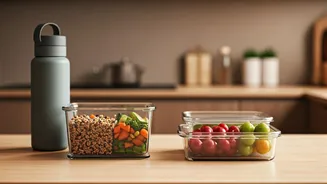
when planning. Make a list of your meals for the week, which allows you to shop efficiently. Create a shopping list based on the meals you’ve planned. Prioritize fresh, whole foods like fruits, vegetables, lean proteins, and whole grains. Look for seasonal produce as it is often more affordable and packed with nutrients. Read food labels carefully when buying packaged foods, paying attention to serving sizes, calories, and ingredients. Limit processed foods, added sugars, and unhealthy fats. Prep ingredients in advance to save time. Chop vegetables, cook grains, and portion out snacks. Having prepped ingredients on hand makes it easier to stick to your healthy eating plan. Consider using leftovers creatively. Turn yesterday's dinner into today's lunch or a new dish. Don't be afraid to experiment with new recipes and cuisines. Use online resources like recipe websites and cookbooks for inspiration. Adjust recipes to suit your tastes and dietary preferences. Finally, be flexible. Life happens, so adjust your meal plan as needed. Don’t get discouraged if you slip up; simply get back on track with your next meal or snack.
Smart Shopping Strategies
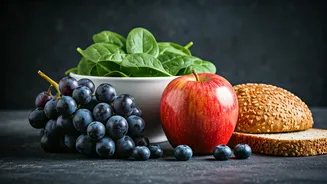
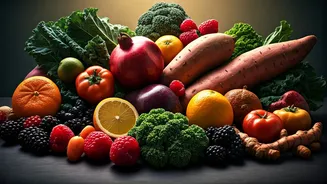
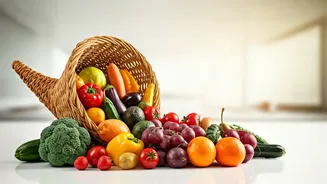
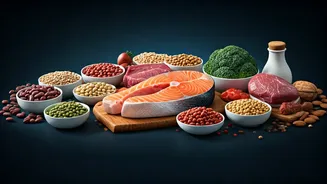
Efficient grocery shopping supports healthy eating goals. Start by creating a detailed shopping list based on your meal plan. Stick to the list to avoid impulse purchases of unhealthy snacks and processed foods. Shop the perimeter of the grocery store where fresh produce, meats, and dairy products are usually located. Fill your cart with these nutrient-rich foods before venturing into the aisles. Prioritize fresh, whole foods. Choose a variety of colorful fruits and vegetables to ensure you are getting a range of vitamins and minerals. Select lean proteins like chicken, fish, beans, and lentils. Opt for whole grains such as brown rice, quinoa, and whole-wheat bread. Read food labels carefully. Pay attention to serving sizes, calories, and the nutritional content of packaged foods. Be mindful of added sugars, sodium, and unhealthy fats. Choose low-fat or fat-free dairy products. Compare prices and look for sales. Buying in bulk can be cost-effective for non-perishable items like grains, beans, and nuts. However, purchase fresh produce and other perishable items in quantities you can realistically use before they spoil. Avoid shopping when you’re hungry to prevent making unhealthy choices. Plan your shopping trips for when you have eaten a meal or snack. Consider buying frozen fruits and vegetables. They are often just as nutritious as fresh ones and are a convenient option. Finally, don’t be afraid to try new foods. Experiment with different fruits, vegetables, and cooking techniques to expand your culinary horizons.
Quick & Healthy Cooking
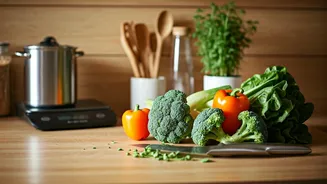
Preparing nutritious meals doesn't require hours in the kitchen. Embrace quick cooking methods such as stir-frying, grilling, steaming, and baking. These methods preserve nutrients and minimize added fats. Keep your kitchen stocked with essential ingredients such as olive oil, vinegar, herbs, spices, and canned beans or tomatoes. These items are the foundation for many healthy dishes. Utilize your appliances wisely. Slow cookers and instant pots are great for preparing stews, soups, and grains with minimal effort. Prepare ingredients in advance. Chop vegetables, cook grains, and portion out proteins when you have free time. This makes it easier to assemble meals quickly during the week. Use leftovers creatively. Turn yesterday’s dinner into today's lunch or a new dish. Batch cook meals on weekends to save time during the week. Cook large portions of grains, beans, and vegetables to use in multiple meals. Focus on simple recipes. Don’t be intimidated by complex recipes. Start with basic recipes that use a few ingredients and simple cooking techniques. Season your food with herbs and spices instead of relying on salt and sugar. Explore different cuisines and flavors to keep your meals interesting. Finally, embrace convenience foods wisely. Choose pre-cut vegetables and pre-cooked grains to save time, but always check the ingredient list for added sugars, sodium, and unhealthy fats.
Healthy Snack Choices
Strategic snacking can bridge the gap between meals and prevent overeating. Plan your snacks in advance just like your meals. Carry healthy snacks with you to avoid impulsive unhealthy choices when you're on the go. Focus on snacks that combine protein, fiber, and healthy fats. These nutrients help you feel full and satisfied. Good choices include a handful of nuts or seeds, Greek yogurt with berries, hard-boiled eggs, or sliced vegetables with hummus. Portion your snacks to control calorie intake. Use small containers or bags to pre-portion your snacks. Choose whole, unprocessed foods over processed snacks. Opt for fresh fruits, vegetables, and other whole foods instead of chips, cookies, and candy. Keep healthy snacks visible and easily accessible. Place them on your kitchen counter or in the front of your refrigerator. Be mindful of added sugars, sodium, and unhealthy fats in your snacks. Read food labels carefully. Make sure your snacks are truly nutritious and satisfying. Drink plenty of water. Sometimes, what we perceive as hunger is actually thirst. Drink a glass of water before snacking to see if you are truly hungry. Experiment with different snack combinations to find what you enjoy. Keep your snack choices varied to ensure you're getting a range of nutrients. Listen to your body and eat when you're truly hungry. Pay attention to your hunger and fullness cues. Avoid snacking out of boredom or stress.
Hydration is Key
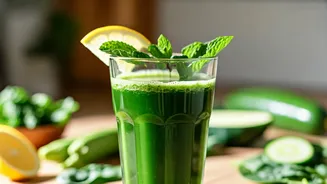
Adequate hydration is crucial for overall health and well-being. Make water your primary beverage. Drink water throughout the day, even when you don’t feel thirsty. Carry a reusable water bottle and refill it frequently. Set reminders to drink water if you struggle to remember. Infuse your water with fruits, vegetables, or herbs for added flavor. Slices of lemon, cucumber, or mint can make water more appealing. Drink water before, during, and after meals. This helps with digestion and keeps you feeling full. Be mindful of other beverages that contribute to hydration. Include herbal teas, unsweetened sparkling water, and diluted fruit juices. Limit sugary drinks such as soda, fruit juice with added sugar, and sweetened beverages. These drinks can add excess calories and offer little nutritional value. Pay attention to your body’s signals. Thirst is a sign that you are already dehydrated. Drink fluids regularly throughout the day to prevent dehydration. Increase your fluid intake when you exercise or spend time in a hot environment. You lose more fluids through sweat, so it’s important to replenish them. Monitor your urine color. Light yellow urine is a sign of good hydration. Dark yellow urine indicates dehydration. Keep water easily accessible at home, work, and when you are traveling. Make it convenient to stay hydrated wherever you are.