







The Gentle Cycle Explained
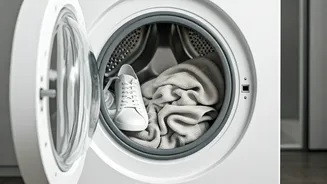
The hand wash cycle on a modern washing machine is designed to meticulously replicate the care one would give to garments by hand. Its primary characteristic
is a remarkably slow and gentle agitation process, deliberately avoiding the harsh tumbling or vigorous scrubbing often found in standard cycles. Crucially, this cycle typically omits or significantly slows down the final spin phase, a common culprit for stretching and distorting delicate materials. Instead of relying on aggressive mechanical action to remove dirt, it employs a more passive method involving extended soaking in water and detergent, allowing the solution to lift away impurities without excessive physical stress. The duration of this specialized cycle can vary, often ranging from 45 minutes to over an hour, depending on the load size and machine's internal programming. This extended soaking and minimal agitation make it an appealing option for those seeking to avoid the time-consuming task of hand-washing numerous delicate items, while still aiming to preserve their integrity.
When to Trust the Machine
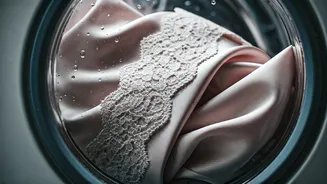
Certain types of garments benefit immensely from the cautious approach of a washing machine's hand wash cycle. Items such as fine lingerie, delicate lace, and smooth satin or silk fabrics are prime candidates, as they are prone to damage from rougher cycles. Hand-knitted garments, including sweaters made from washable wool or cashmere, can also be safely cleaned this way, preventing them from losing their shape or becoming matted. Even pieces adorned with light beading or intricate embroidery can often be managed by this cycle, provided they are clearly labeled as machine washable. However, it is paramount to always consult the garment's care label before proceeding. Proper load management is also key; ensure you sort items by color and fabric weight, never mixing heavy materials with lightweight ones. Opt for cold water temperatures and the slowest spin setting, or no spin at all, to further safeguard your clothes. Following up with appropriate air-drying methods, such as laying items flat, is essential for maintaining their form and longevity after the cycle concludes.
The Limits of Automation
While the machine's hand wash cycle offers convenience, it's not a universal substitute for true hand washing, especially when dealing with exceptionally fragile or vintage textiles. Fabrics that are inherently delicate, such as certain silks, satins, or sheer materials like chiffon, may still require the absolute gentlest touch that only manual washing can provide. Similarly, antique or very old garments that have lost some of their structural integrity are at higher risk of damage, even on the gentlest machine cycle. Items with significant embellishments, like heavy beading or sequins, or those with delicate embroidery, might be better cared for by hand to prevent snagging or detachment. Furthermore, bulky knitted items, like heavy sweaters or blankets, while potentially manageable on a delicate cycle, can still be susceptible to stretching when excess water is removed, making careful hand-squeezing and support during drying vital. Therefore, always consider the item's specific material and condition to determine if the machine's cycle is truly the safest option.