
Festival's Historical Roots
The Chithirai Festival, a significant annual event in Madurai, Tamil Nadu, has deep historical roots, dating back centuries. Its origins are intertwined
with the city's rich cultural and religious history, primarily revolving around the Meenakshi Amman Temple. The festival celebrates the divine marriage of the goddess Meenakshi to Lord Sundareswarar, a central narrative in Madurai's history. Over the years, the Chithirai Festival has evolved, incorporating various traditions, rituals, and practices that reflect the evolving social and religious landscape of the region. The event's enduring popularity and continuous adaptation reflect its resilience and its central role in preserving Tamil Nadu's heritage. Historical records and local folklore provide valuable insights into the festival's development, showcasing how it has become a unique cultural phenomenon that attracts devotees and visitors from across the globe.
Main Festival Celebrations
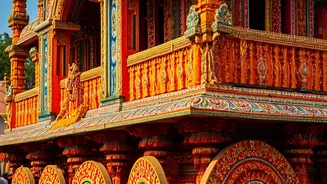
The Chithirai Festival in Madurai is highlighted by many key celebrations. The most anticipated event is the celestial wedding of Meenakshi Amman and Sundareswarar, a re-enactment of the divine union. This ceremony, held within the Meenakshi Amman Temple, is a significant spectacle, with elaborate rituals and decorations. Another important event is the chariot festival, where deities are taken in grand processions through the city streets. Thousands of devotees pull the chariots, creating a vibrant atmosphere filled with music, dance, and religious fervor. Throughout the festival, cultural performances, traditional dances, and musical concerts take place, enriching the experience. These celebrations showcase the unity of the community and the dedication of the people to their beliefs and traditions.
Festival's Cultural Significance
The Chithirai Festival is not just a religious event; it holds immense cultural significance in Tamil Nadu, encapsulating the essence of the region's artistic expression, traditions, and community spirit. The festival fosters a sense of unity among the people, bringing communities together through shared practices and collective participation. The vibrant rituals, elaborate decorations, and traditional performances provide opportunities for artists and performers to exhibit their skills, thus preserving and promoting the state's cultural heritage. The festival serves as a platform for preserving and passing down cultural values to younger generations, ensuring that these traditions continue. Moreover, it boosts the local economy by attracting tourists, supporting local businesses, and providing opportunities for economic activities. This reinforces the significance of the festival as a cornerstone of Tamil Nadu's cultural identity.
Key Rituals and Practices
Various rituals and practices are integral to the Chithirai Festival, each holding specific meanings and performed with great reverence. The hoisting of the festival flag signifies the commencement of the celebrations, setting the spiritual atmosphere. The 'kodi yetram' ceremony is an essential part of the festival. Processions, featuring elaborately decorated chariots carrying deities, are another significant aspect. These parades move through the city, providing devotees with opportunities to receive blessings and participate in the festivities. Rituals like the 'theertham' or holy bath are also observed, believed to purify devotees and bring good fortune. These practices represent the deep-rooted faith and devotion, reflecting the customs and beliefs passed down through generations. These religious rituals collectively enhance the festival, showcasing the cultural and spiritual depth of Tamil Nadu.
Madurai's Festival Atmosphere
During the Chithirai Festival, Madurai transforms into a vibrant hub of cultural activities, attracting both locals and visitors. The city is decorated with colorful lights, flowers, and decorations, creating a festive environment. Streets become filled with stalls selling traditional food, handicrafts, and souvenirs, offering an immersive experience for visitors. The air is filled with the sounds of devotional music, traditional drums, and the excited chatter of the crowds. The atmosphere is charged with enthusiasm and religious fervor, inviting everyone to participate in the celebration. This lively atmosphere promotes interaction among people from different backgrounds, highlighting the sense of unity and community. The festival's vibrant ambience makes it a unique and memorable experience for everyone attending.
Festival's Economic Impact
The Chithirai Festival substantially impacts Madurai's economy, playing a crucial role in local businesses and tourism. The influx of tourists and pilgrims boosts the demand for various products and services, including accommodation, food, transportation, and souvenirs. Local artisans and craftspeople have an opportunity to display and sell their creations, increasing their income. Food stalls and restaurants thrive, contributing to the local economy. The festival generates employment opportunities, from event management to hospitality services. The increased economic activity during the festival contributes significantly to the city's financial stability. The event becomes a source of income and a means of promoting local traditions and culture, creating a positive impact on the economy.
Festival's Modern Adaptations
The Chithirai Festival has embraced contemporary aspects while staying true to its traditional roots. Modern technology has been integrated to enhance the festival experience, including live streaming of events and digital platforms that provide information about the festival. The involvement of social media has amplified its reach, allowing a wider audience to engage with the celebrations. There's been an effort to incorporate modern art forms, music, and dance into the cultural programs, attracting a diverse audience. The festival's management has adopted sustainable practices to minimize environmental impact, ensuring that the celebrations are eco-friendly. These adaptations enable the festival to remain relevant and engaging to present-day audiences while respecting its historical and cultural importance.