





Bridging Cities Faster
The Ganga Expressway, a monumental infrastructure project, promises to drastically reduce travel durations between key cities in Uttar Pradesh. Specifically,
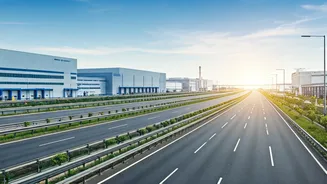
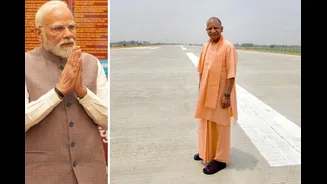
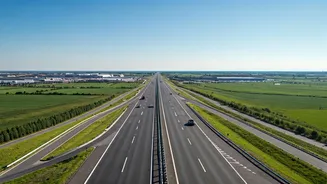
the journey from Meerut to Prayagraj, which previously spanned 10 to 12 hours, will now be accomplished in approximately 6 hours. This significant time saving is made possible by the expressway's design as a 594-kilometer-long, 6-lane access-controlled greenfield corridor. The inauguration of this ambitious project was slated for April 29th, with Prime Minister Narendra Modi set to officially launch it. The project's total investment amounts to a substantial ₹36,230 crore, underscoring its scale and importance for the region's development. This new artery is envisioned to be a critical link, enhancing mobility and facilitating smoother commutes for countless individuals across the state.
Connecting Districts Seamlessly
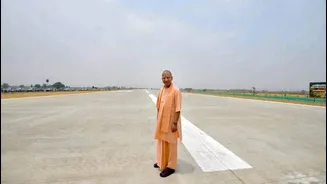
Stretching across a vast 594 kilometers, the Ganga Expressway serves as a powerful connective tissue for 12 diverse districts within Uttar Pradesh. These districts include Meerut, Bulandshahr, Hapur, Amroha, Sambhal, Badaun, Shahjahanpur, Hardoi, Unnao, Raebareli, Pratapgarh, and Prayagraj. This extensive reach ensures that a broad swathe of the state benefits from improved connectivity and reduced travel times. A particularly noteworthy feature is the integration of a 3.5-kilometer-long emergency landing facility, strategically located in the Shahjahanpur district. This airstrip is designed to support critical aviation operations, enhancing the overall utility and resilience of the corridor. Furthermore, the expressway is being developed as a foundational element of Uttar Pradesh's expanding road network, complementing existing routes like the Agra-Lucknow Expressway and planned extensions, thereby fostering balanced regional growth.
Economic Growth Engine
Beyond its role in facilitating faster travel, the Ganga Expressway is strategically designed as a significant economic corridor. The project earmarks approximately 2,635 hectares of land along its route for the development of Integrated Manufacturing and Logistics Corridors. This initiative is poised to create a more efficient and cost-effective environment for businesses. By streamlining logistics and transport operations, the expressway aims to enhance the competitiveness of the manufacturing sector. This, in turn, is expected to lower overall supply chain costs, making trade and commerce more fluid. The development of these specialized zones will likely attract new industries, stimulate investment, and create a more robust economic ecosystem across the regions it traverses, fostering new avenues for growth and employment.
Empowering Farmers & Businesses
The economic benefits of the Ganga Expressway extend directly to the agricultural sector and local commerce. Farmers will gain unprecedented direct access to both urban centers and potential export markets, allowing them to reach consumers more efficiently and secure better prices for their produce. This improved market access is anticipated to significantly boost farmer incomes and enhance agricultural livelihoods. Simultaneously, the expressway is set to unlock a wave of new business opportunities along its path, encouraging local trade and investment. The increased connectivity and ease of movement are expected to spur entrepreneurial ventures and foster a more vibrant local economy. Both directly and indirectly, the project is projected to generate substantial employment across multiple districts, supporting livelihoods and contributing to the overall economic upliftment of Uttar Pradesh.