


A Culinary Time Capsule
The humble samosa, a ubiquitous snack across India, is suddenly the subject of intense online discussion, not for its taste or accessibility, but for its historical
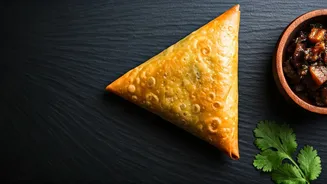
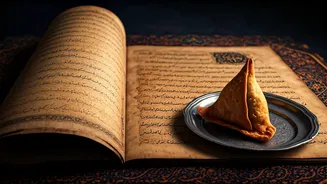
origins. A viral social media post has brought to light an ancient recipe, estimated to be around 500 years old, purportedly originating from a Persian manuscript that traversed through significant historical figures like Emperor Akbar and Tipu Sultan before its eventual transfer to the British East India Company. This artifact is now housed within the prestigious British Museum, serving as a tangible link to the past and igniting curiosity about the samosa's forgotten iterations. The revelation challenges our modern perception of this familiar pastry, prompting a re-evaluation of its culinary journey and historical authenticity.
The Royal 'Book of Delights'
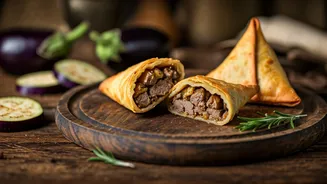
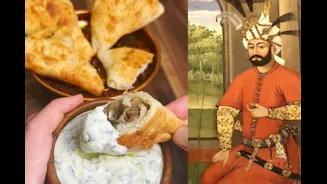
This ancient recipe for samosa is believed to be part of a manuscript known as the Ni’matnama, or the “Book of Delights.” Commissioned between 1501 and 1510 for the Sultan of Mandu in central India, it offers a fascinating insight into the palatial kitchens of that era, far removed from the street food stalls of today. The ingredients detailed speak of opulence and a refined palate: instead of the now-standard potato filling, this historical rendition features roasted aubergine pulp, dried ginger, and finely minced lamb, sautéed with aromatic onion and garlic. The entire creation was then meticulously fried in ghee, suggesting a rich, elaborate dish meant for royalty. The absence of potatoes and chili peppers, staples in modern Indian cuisine, further accentuates the stark contrast with the samosas we are familiar with.
Evolution from Palace to Street
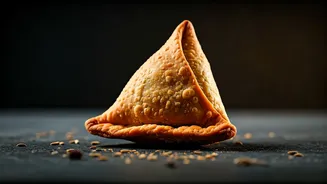
The journey of the samosa from its regal origins to its current status as a beloved street food is a testament to culinary evolution and adaptation. As the dish transcended the confines of royal kitchens and became accessible to the wider populace, its recipe underwent significant transformations. Ingredients were simplified, and preparation methods were streamlined to suit a broader range of resources and culinary expertise. This gradual democratization led to the creation of the samosa as we recognize it today – a more accessible, often vegetarian, and readily available snack. The original, elaborate concoction, rich with lamb and aubergine, gradually gave way to the more commonplace, potato-and-spice-filled version that has become a staple in Indian culinary landscapes.
A Stirring Online Dialogue
The viral disclosure of this ancient recipe has ignited a lively debate across the internet, prompting reflection on how food acts as a powerful conduit for history and culture. Social media users are actively engaging with the narrative, with many expressing awe at how food traditions evolve and intertwine with societal changes. Comments like "This shows how food is also a part of history and culture" highlight the broader appreciation for culinary heritage. However, the discussion isn't without its disagreements. Some users have voiced alternative historical perspectives, suggesting that the samosa's roots in India predate the Mughal era, with some attributing its introduction to Arab invasions centuries prior. This ongoing dialogue underscores the complex and often contested nature of culinary history and the passionate connections people have with their food.