





Peak Viewing Times
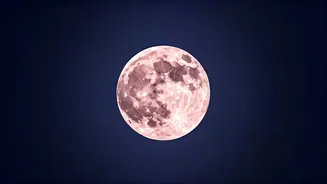
The highly anticipated full moon of April 2026, commonly known as the Pink Moon, graces the night sky on April 1st. This celestial event will reach its
zenith precisely at 10:12 PM Eastern Time. For those in other U.S. time zones, this translates to 9:12 PM Central Time and 7:12 PM Pacific Time. If you're in India, mark your calendars for the early morning of April 2nd, as the moon will be at its peak illumination at 7:42 AM Indian Standard Time. To truly appreciate its grandeur, it's recommended to find a location far from urban light pollution. As the moon ascends in the eastern or southeastern horizon, you might notice it appearing larger than usual due to a captivating optical illusion known as the 'moon illusion,' making for an even more dramatic spectacle.
The Pink Moon's Name
Despite its evocative name, the Pink Moon in April 2026 will not actually appear in shades of pink. Its designation originates from the abundant blooming of a particular wildflower, moss pink, or creeping phlox, which heralds the arrival of spring in many regions. Indigenous peoples of North America and early European settlers bestowed this lunar name in recognition of this vibrant springtime floral display. Beyond its association with the blooming moss, this full moon signifies the commencement of the spring season and is the first full moon to occur within it. Furthermore, it holds significance as the Paschal Moon, a crucial marker used in the ecclesiastical calendar to determine the date of Easter each year.
Artemis II Mission Link
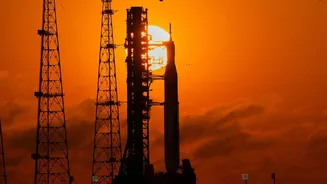
An interesting confluence of celestial events is set to occur around the April 2026 Pink Moon. This period aligns with NASA's ambitious Artemis II mission, which is slated to be the first human expedition to journey around the Moon since the historic Apollo 17 mission concluded in 1972. The Artemis II endeavor serves as a vital preparatory step, testing capabilities and ensuring the readiness of astronauts for subsequent lunar surface explorations, with a planned return to the Moon's surface anticipated by the year 2028. Witnessing the Pink Moon during this era of renewed lunar focus adds an extra layer of wonder to the experience, connecting us to humanity's ongoing quest to explore the cosmos.
Optimal Viewing Experience
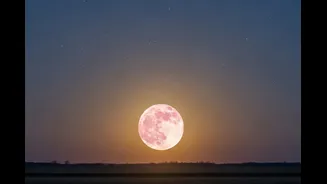
Observing the April 2026 Pink Moon requires no specialized astronomical equipment; its beauty is accessible to all. For the most rewarding viewing experience, seek out an expansive, open area that is minimally affected by artificial illumination. Position yourself to watch its ascent from the east; at this juncture, the moon often presents a more imposing size and enhanced brightness. Bringing along comfortable seating like blankets or chairs can enhance your enjoyment if you intend to spend a considerable amount of time stargazing. While binoculars or a telescope can offer a more magnified perspective, they are not essential for appreciating the moon's natural splendor. Crucially, consult your local weather forecast to ensure clear skies for an unobstructed view. Although it will radiate a warm, golden hue rather than pink, the Pink Moon promises a breathtaking spectacle, offering a moment of tranquility and wonder as it emerges on the horizon.