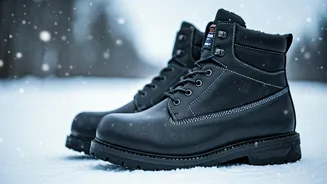








Essentials: Warmth & Dryness
When selecting winter boots, the primary considerations are warmth and protection from moisture. Insulation is vital; boots with materials like Thinsulate
or fleece linings effectively trap heat. Examine the boot's construction for features like sealed seams to prevent water from seeping in, crucial for rainy days or snowy regions. Look for waterproof membranes, such as Gore-Tex, which allow your feet to breathe while blocking water. Pay attention to the boot's sole; it should offer excellent traction on potentially slippery surfaces. A sturdy sole with deep treads is essential for navigating icy or slushy conditions, providing stability and reducing the risk of slips and falls. Consider the height of the boot; taller boots offer more coverage and protection from the elements, especially beneficial in areas with heavy snowfall or deep puddles. Furthermore, think about the ease of putting on and taking off the boots; features like side zippers or pull-on loops can improve convenience.
Insulation Matters Most
The insulation of your winter boots directly impacts how warm your feet will remain. Synthetic insulation, like Thinsulate, is a popular choice, known for its ability to trap heat even when wet. It is lightweight and quick-drying, making it ideal for various weather conditions. Fleece linings provide a soft, comfortable layer that enhances warmth. Wool and other natural fibers offer excellent insulation, retaining warmth while allowing moisture to escape. The weight of the insulation, often measured in grams, indicates its thickness. For milder winters, boots with 200 grams of insulation might be adequate, while colder climates could require 400 grams or more. Remember that the type and amount of insulation should align with your specific needs. Consider your daily activities and the usual temperature range. If you plan to spend prolonged periods outside, choose boots with robust insulation. Always read customer reviews to get a sense of the real-world warmth performance of different boots, ensuring you choose the right level of insulation for your comfort and safety during winter.
Waterproof vs. Water-Resistant
Understanding the difference between waterproof and water-resistant boots is essential for making an informed choice. Waterproof boots are designed to completely prevent water from entering, typically featuring a waterproof membrane and sealed seams. They are ideal for wet and snowy conditions, providing maximum protection. Water-resistant boots, however, are designed to repel water to some extent but may not be entirely impervious. They are suitable for light rain or splashes but can eventually let water in if exposed to prolonged moisture. Consider where you will primarily be using the boots. If you live in an area with heavy rainfall or deep puddles, waterproof boots are the better option. For occasional light snow or drizzle, water-resistant boots might suffice. Check the boot's construction to determine its water resistance level. Look for materials that naturally repel water, such as treated leather or rubber. Assess the seams; waterproof boots will have sealed seams to prevent water from seeping through. Reading product descriptions and specifications, which often specify the level of water resistance, will help you select the boots that best fit your lifestyle and protect your feet from the winter elements.
Style & Functionality
Winter boots offer a wide range of styles, from practical work boots to fashionable options suitable for urban environments. Consider the aesthetics along with the functionality. For outdoor adventures or work, prioritize boots with rugged soles, sturdy construction, and added protection for the ankles and toes. Consider boots made from durable materials like leather or rubber. For everyday wear in the city, you can opt for more stylish options, such as ankle boots or knee-high boots with waterproof features and insulated linings. Choose boots that match your personal style and wardrobe. Assess the versatility of the boots. Do they work well in different situations? Consider the boot's overall design, which should allow for ease of movement and comfort throughout the day. Features like padded collars and cushioned footbeds can enhance comfort during long periods of wear. Ensure the boots fit well and allow enough room for thick socks, which add extra warmth during the coldest days. Balancing style and functionality helps you pick boots that complement your attire while providing protection from the harsh elements.
Sizing & Fit Guide
Proper sizing is critical for comfort and the effectiveness of your winter boots. The fit should allow for adequate room for thick socks, which are essential for warmth. It's usually a good idea to measure your feet and consult the manufacturer's size chart. Keep in mind that boot sizes can vary between brands. When trying on boots, wear the socks you intend to wear during the winter months. Make sure there is enough space in the toe box to wiggle your toes freely. Your heel should fit snugly, without slipping, while walking. The boot should provide good ankle support. Walk around in the boots for a while to ensure they are comfortable and do not cause any pressure points. Consider the width of the boot as well. Some brands offer boots in various widths (narrow, regular, wide) to better accommodate different foot shapes. If you are ordering online, check the return policy to allow you to exchange the boots if they don't fit well. Also, consider the boot's overall weight, as heavier boots can be cumbersome. The right fit is essential for maximizing both warmth and comfort, guaranteeing your winter boots are ready for the season.