






Weather Woes & Mango Dreams
India's beloved mango season is facing a turbulent start this year due to highly unpredictable weather patterns in March. These unusual rainfall events
have unfortunately impacted the mango crops significantly, leading to premature fruit drop and increasing their susceptibility to fungal infections. While mango trees require adequate water during their initial growth stages, the unexpected downpours during the crucial flowering period have disrupted the vital pollination process. Despite these challenges, the desire for those sweet, golden mangoes remains strong, prompting a need for effective storage and ripening techniques to ensure we can still enjoy the fruits of this beloved season.
The Paper Bag Secret Unveiled
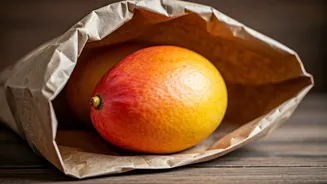
Mangoes, in their journey to ripeness, naturally release ethylene gas, a plant hormone that hastens the maturation process. This effect is amplified by the heat and humidity common in summer, which can trap moisture, creating an environment ripe for mold growth. Paper bags offer an ingenious solution by providing the ideal balance: they capture just enough of this ethylene gas to promote even ripening while simultaneously allowing for essential air circulation. This controlled environment helps to prevent the excessive dampness that often plagues fruits stored in sealed plastic bags, ensuring a healthier ripening outcome.
Generations of Wisdom
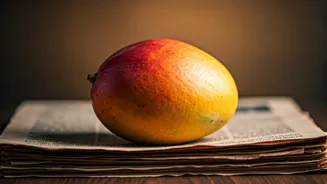
This effective fruit-ripening method is far from a new discovery; it's a cherished practice passed down through many generations. In earlier times, when families would receive a significant harvest of semi-ripened mangoes from their orchards, they would meticulously wrap each fruit in newspaper. These wrapped mangoes were then carefully stored in large baskets, placed in dry, subtly lit locations, carefully shielded from direct sunlight. This time-tested technique, often referred to as 'paal ka aam,' was instrumental in allowing the mangoes to reach their peak ripeness without succumbing to spoilage.
Mastering the Technique
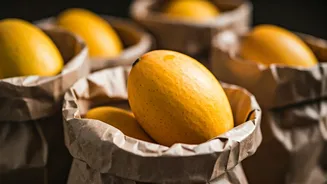
To expertly utilize this time-honored storage technique for your mangoes, several key steps ensure optimal results. When dealing with completely raw, green mangoes, place them gently inside a paper bag, loosely fold the opening, and store them at room temperature, away from direct sunlight. This natural process promotes even ripening and the paper helps prevent the soggy conditions often associated with plastic packaging. For mangoes that are already partially ripe, known as 'near-ripe yellows,' use a similarly loose paper bag but keep them in a cooler spot within your kitchen to moderate the ripening pace. To combat excess moisture, particularly during humid monsoon seasons or hot summer days, line your paper bags with tissue paper to absorb any extra dampness. Finally, if you have a bulk purchase and find a few mangoes are ripening faster than others, isolate these over-ripened fruits in individual bags. This prevents their ethylene gas from prematurely accelerating the ripening of the entire batch, ensuring your mangoes mature in unison.