





Boot Styles: An Overview
Women's boots encompass a wide array of styles, each tailored for different purposes and fashion preferences. Ankle boots, which typically reach just above
the ankle, are versatile choices suitable for various outfits. They can be paired with jeans, skirts, or dresses. Knee-high boots extend up to the knee and are often a statement piece, ideal for creating a chic look. They can be worn with leggings or tucked into jeans. Over-the-knee boots, extending above the knee, provide a bold, fashion-forward appearance. They can add a touch of drama to any ensemble, and are best paired with shorter skirts or dresses. Combat boots, characterized by their sturdy design and lace-up fronts, offer a tough, edgy aesthetic. They are popular for adding a rebellious touch to an outfit, and they pair well with both casual and more formal looks. Heeled boots incorporate heels of varying heights, from subtle kitten heels to towering stilettos, adding a touch of elegance. This diverse range of styles ensures there’s a boot for every woman and every occasion.
Materials Matter
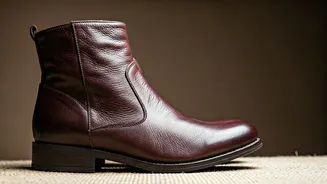
The material of a boot greatly influences its durability, comfort, and appearance. Leather boots are a timeless choice, known for their durability and ability to mold to the wearer's foot over time. They offer a classic look and often become more comfortable with age. Suede boots provide a softer, more luxurious texture, ideal for adding sophistication to an outfit. However, suede requires more care and is less resistant to water than leather. Synthetic materials, such as polyurethane (PU) and polyvinyl chloride (PVC), offer a cost-effective alternative. They are often more water-resistant than natural materials. Textile boots, including canvas or fabric options, offer a lighter, more breathable choice. They are especially suitable for warmer weather, but they might not be as durable as other materials. Choosing the right material involves considering the climate, intended use, and personal style. Each material provides a unique combination of aesthetic and practical benefits.
Fit and Comfort
Achieving the right fit is crucial for both comfort and wearability. When trying on boots, it is essential to consider the shape of your feet and ensure there's enough room for your toes to move freely. Boots that are too tight can cause blisters, bunions, and other foot problems. For optimal comfort, consider the sock thickness you’ll typically wear with the boots. Try the boots on with those socks to ensure there’s sufficient space. The arch support within the boot is another key factor. Boots with good arch support can alleviate foot fatigue and provide all-day comfort. The heel height and design also affect comfort levels. Lower heels are generally more comfortable for extended periods of wear, while higher heels may require more adjustments to your posture and stride. Walking around in the boots before purchasing them is crucial to assess how they feel. This ensures that you select boots that provide the perfect combination of support and comfort for your feet.
Styling & Pairing
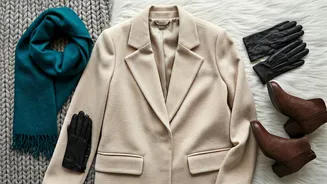
Boots offer exceptional versatility in styling, seamlessly complementing a wide variety of outfits. Ankle boots can be effortlessly paired with skinny jeans, a simple t-shirt, and a jacket for a casual, everyday look. They can also be dressed up with a skirt or dress. Knee-high boots add a touch of sophistication to your ensemble. They pair elegantly with a skirt and tights for a chic look. Over-the-knee boots can be styled with leggings, a sweater dress, or a short skirt, creating a fashion-forward statement. Combat boots bring an edgy element. They look great with jeans, a graphic tee, or a dress, adding a rebellious touch to your appearance. Consider the overall balance of your outfit. If your boots are the focal point, keep the rest of your ensemble simple. If you are aiming for a more subtle look, opt for neutral-colored boots that blend seamlessly with your clothes. Experimenting with different styles and combinations allows you to craft a wardrobe that reflects your personal style.
Caring for Boots
Proper care and maintenance can significantly extend the lifespan of your boots. Cleaning your boots regularly is fundamental to remove dirt, dust, and any other residue that can accumulate. For leather boots, consider using a leather cleaner and conditioner to maintain their suppleness and prevent cracking. Suede boots require specialized brushes to remove dirt and restore their texture. Always use a protective spray to guard against water stains and other potential damage. Storing your boots correctly is another crucial step. Stuffing boots with boot shapers or using boot trees can help maintain their shape when they're not in use. Store your boots in a cool, dry place away from direct sunlight and excessive heat, which can damage the materials. Rotate your boots regularly to give each pair ample time to breathe and prevent premature wear and tear. Regular maintenance not only helps keep your boots in good condition, but it also preserves their appearance for years.