








Origins of the Tandoor
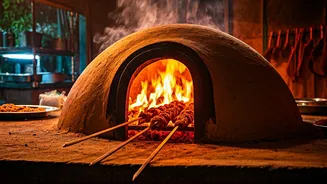
The tandoor, a cylindrical clay oven, traces its roots back to ancient cultures, particularly in regions of the Indian subcontinent. Initially, it served
as a means of cooking flatbreads and meats, utilizing the intense heat generated by burning charcoal. The technique of cooking in a tandoor provided a unique flavor and texture to food. Its simplicity and effectiveness led to its widespread adoption across various communities. The tandoor's ability to cook food at high temperatures sealed in juices and imparted a smoky taste, which became a defining characteristic of dishes prepared in it. Over time, the tandoor evolved beyond a simple cooking tool and began to symbolize a sense of cultural identity and communal gathering, laying the foundation for its eventual influence on Delhi's food scene.
Punjabi Refugees' Influence
The partition of India in 1947 brought about significant population displacements, with numerous Punjabi refugees seeking refuge in Delhi. These refugees carried with them their rich culinary traditions, including the art of tandoor cooking. Arriving in Delhi, they sought ways to rebuild their lives. Setting up food businesses provided them with an avenue to establish themselves. The tandoor, which they brought with them, became an essential element of their food establishments. It was not just a means of cooking but a way of sharing their culture. Punjabi refugees introduced the tandoor to the broader Delhi community, transforming the city's culinary landscape. This introduction helped to popularize the tandoor. Their efforts led to a shift in Delhi's food habits.
Tandoor in Delhi's Cuisine
The arrival of Punjabi refugees marked a crucial moment in the history of Delhi’s food. The tandoor was quickly adopted, and its influence grew. The tandoor's appeal lay in its ability to produce dishes with a distinct smoky flavor. This led to a surge in restaurants and eateries offering tandoori specialties. Dishes like tandoori chicken, kebabs, and various flatbreads became immensely popular. The tandoor played a vital role in the creation of new dishes and the fusion of different culinary traditions. The tandoor evolved into a symbol of Delhi's culinary identity, representing the city's ability to embrace diversity and innovation. The tandoor's presence in Delhi's cuisine helped to define the city's food culture. This also created a sense of community around food, where people gathered to enjoy meals cooked in the tandoor.
Tandoor's Cultural Impact
Beyond its culinary influence, the tandoor also had a considerable impact on Delhi's social landscape. The tandoor became a focal point of social gatherings and celebrations. It served as a place where people from all backgrounds came together to share food and experiences. The tandoor fostered a sense of community and belonging, bridging cultural divides through the shared experience of dining. The aroma of food wafting from tandoor restaurants became a common feature of Delhi's neighborhoods. The tandoor's impact extended to the economy, supporting small businesses and creating job opportunities. It became a symbol of resilience and adaptation. The tandoor remains a testament to the influence of Punjabi refugees on Delhi’s culture, connecting people through food and fostering an environment of inclusivity.