
Punjabi Food Basics
Punjabi cuisine, known for its bold flavors and hearty dishes, plays a significant role in many Indian diets. Nutritionists have recently been decoding
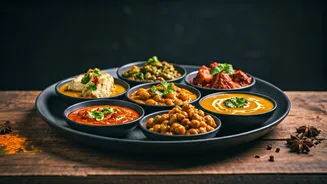
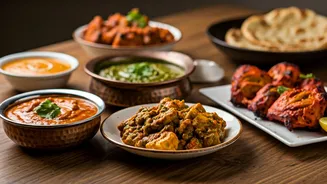
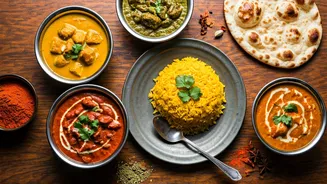
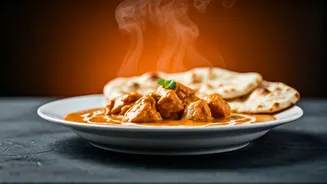
the dietary choices of individuals like Badshah, who openly embraces his love for Punjabi food. This analysis highlights the potential health benefits of certain Punjabi staples. Dishes typically involve the generous use of dairy products, ghee, and various spices, resulting in a rich and flavorful culinary experience. The variety is immense, ranging from vegetarian options like dal makhani and paneer dishes to non-vegetarian choices like butter chicken and tandoori preparations. Understanding the components of these meals is the first step in appreciating how they can be integrated into a balanced approach to eating. The focus is to discern the healthy aspects within these culinary traditions, making it easier to adopt a sustainable dietary practice that acknowledges the role of cultural foods.
Dairy's Role Explored
Dairy products, prominently featured in Punjabi cuisine, provide essential nutrients. Milk, yogurt, and paneer are frequent additions, offering substantial amounts of calcium, protein, and vitamins. The intake of dairy can contribute to the strengthening of bones and muscles. The use of ghee, a clarified butter, is also common. It is a source of fat-soluble vitamins and provides energy. However, its high-fat content necessitates moderation. When considering Punjabi food within a healthy dietary framework, it is vital to balance the consumption of dairy and ghee with the inclusion of other nutrient-rich foods. This balancing act can help ensure that the body receives the necessary nutrients without excessive intake of fats or calories. It is about understanding the benefits of the ingredients and integrating them wisely, rather than completely eliminating them. By being mindful of portion sizes and preparation methods, individuals can enjoy the rich flavors of dairy in Punjabi food without compromising their health goals.
Spices and Health
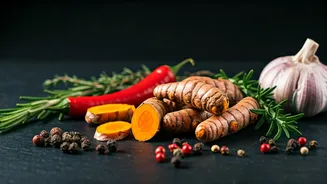
The extensive use of spices is another defining characteristic of Punjabi cuisine, offering not only flavor but also potential health benefits. Spices such as turmeric, ginger, and garlic are frequently employed and are recognized for their anti-inflammatory and antioxidant properties. Turmeric, in particular, is rich in curcumin, a compound linked to various health advantages. Ginger aids digestion and can relieve nausea. Garlic boosts the immune system. The judicious use of these spices can enhance the nutritional value of Punjabi dishes. Moreover, spices often reduce the need for salt, which can contribute to the overall healthiness of meals. The incorporation of a wide array of spices ensures that dishes are not only delicious but also offer a range of health-promoting benefits. By incorporating these flavorful additions, Punjabi cuisine demonstrates the intersection of taste and wellness.
Healthy Punjabi Dishes
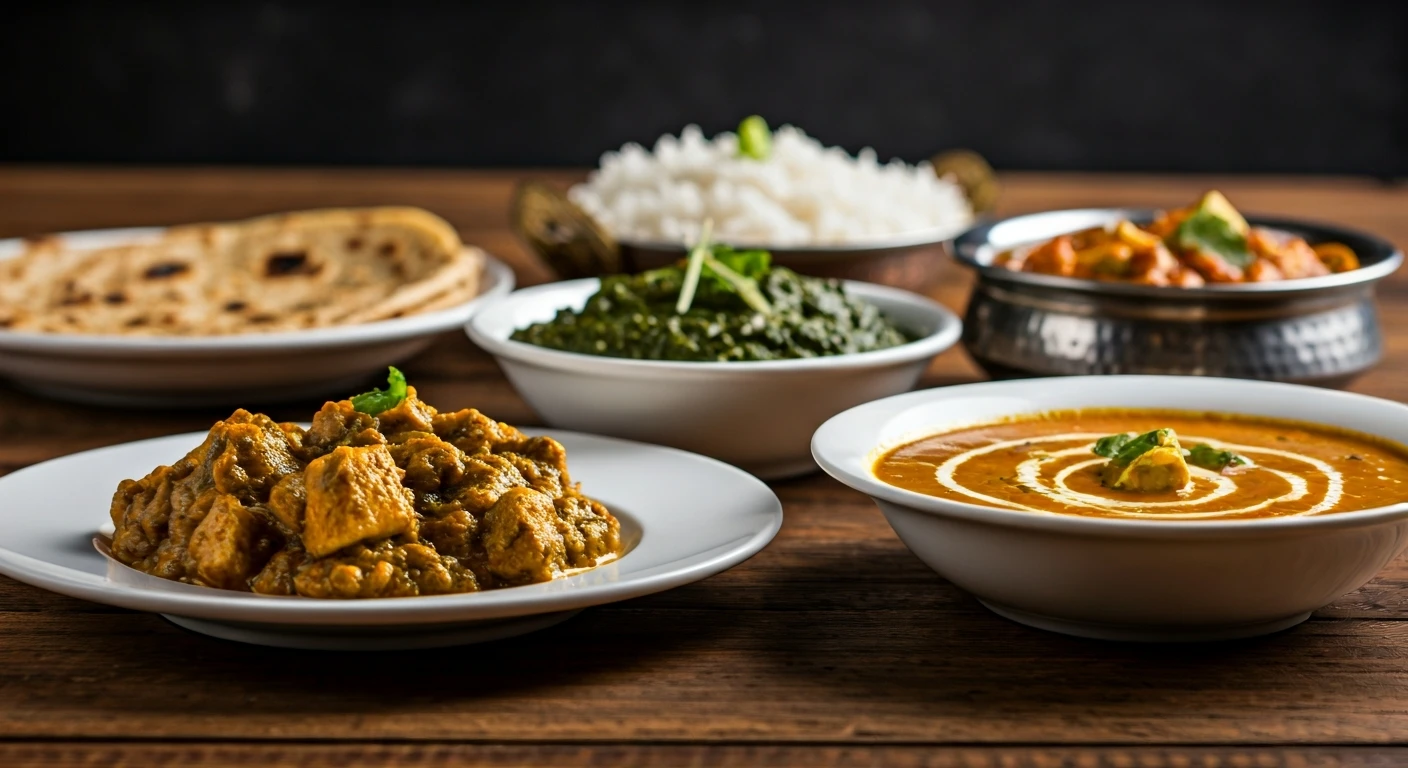
Some Punjabi dishes are naturally healthier options that can be included in a balanced diet. Dal makhani, despite its creamy texture, is rich in protein and fiber, particularly if prepared with minimal ghee. Palak paneer, a spinach and cheese dish, combines the benefits of iron-rich spinach with protein from paneer. Tandoori preparations, whether chicken or vegetables, are cooked in a tandoor, often with less added fat, which can be a healthier choice. To enjoy these dishes healthily, consider controlling portion sizes. Focus on balancing these choices with a variety of vegetables and lean proteins. Choosing whole-wheat roti over refined flour naan can also improve the nutritional content of the meal. By making informed choices and being conscious of the ingredients and preparation methods, you can savor the flavors of Punjabi cuisine while supporting your health goals.
Mindful Eating Practices
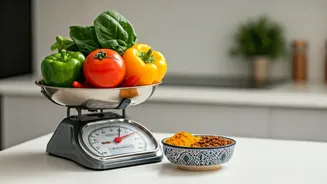
Incorporating Punjabi food into a health-conscious diet requires mindful eating practices. Start by paying attention to portion sizes. Even healthy foods can contribute excess calories if eaten in large quantities. Opt for lean cooking methods such as grilling, baking, or steaming, rather than deep frying. When preparing dishes at home, use healthier fats and oils, and experiment with reducing the amount of oil used overall. Another way to enhance your meals is to integrate fresh vegetables and salads alongside your Punjabi dishes. This adds essential vitamins, minerals, and fiber to your diet. Be sure to drink plenty of water to help digestion and maintain overall well-being. By being mindful and making conscious choices, you can embrace the rich, diverse flavors of Punjabi cuisine without compromising your health.