




Embrace Meal Planning
Meal planning is the cornerstone of stress-free eating. Dedicate some time each week to map out your meals. This doesn't need to be a complex process;
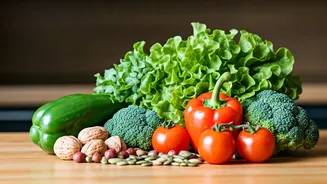
start with a basic framework. Consider your schedule and your dietary preferences. Jot down simple ideas for each day, even just a few key ingredients. When you have a plan, you're less likely to succumb to impulse choices or order unhealthy takeout. The efficiency of pre-planning also extends to grocery shopping. Create a list based on your meal plan and stick to it. This minimizes waste and ensures you have all the necessary items on hand. You can even batch cook certain components, like grains or roasted vegetables, to save even more time during the week. This strategic approach paves the way for a more relaxed and enjoyable eating experience.
Simplify Your Kitchen
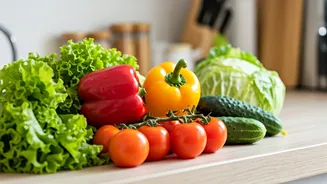
Streamlining your kitchen setup can make cooking easier. Begin by decluttering your space and organizing your tools and ingredients. Keep frequently used items within easy reach, and consider grouping similar items together. Invest in versatile kitchen equipment like a good chef's knife, a non-stick skillet, and a few essential pots and pans. These basics will cover a wide range of cooking tasks. Another crucial element is your pantry. Stock it with non-perishable staples such as grains, legumes, canned vegetables, and healthy fats. These items are the backbone of many quick and nutritious meals. Knowing you have these supplies on hand eliminates last-minute grocery runs. Furthermore, focus on simple cooking techniques. Master a few basic skills like sautéing, roasting, and steaming. These techniques are applicable to numerous dishes and minimize both cooking time and cleanup. A streamlined kitchen empowers you to cook with confidence and efficiency.
Quick & Easy Recipes
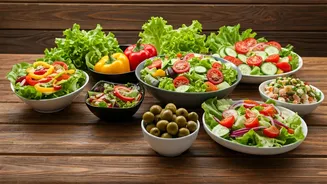
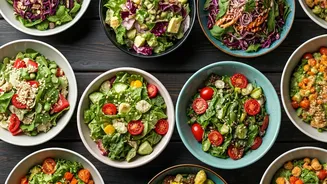
Focus on recipes that are quick to prepare and require minimal ingredients. One-pan meals are excellent choices for reducing both cooking and cleanup time. Think about dishes where you can toss vegetables and proteins together on a single sheet pan and roast them. Another good approach is to embrace the versatility of salads. Experiment with different combinations of greens, vegetables, proteins, and dressings. Salads are endlessly customizable, and they offer a wealth of nutrients. Soups and stews are also fantastic options. They can be made in large batches and stored for several days, making them perfect for meal prepping. Look for recipes that use simple, fresh ingredients and require minimal steps. Prioritize dishes that don't demand hours in the kitchen, and focus on those that can be assembled quickly. Building a repertoire of easy recipes will significantly improve your ability to eat well without investing excessive amounts of time.
Embrace Healthy Snacks
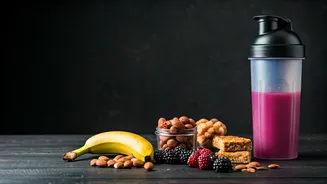
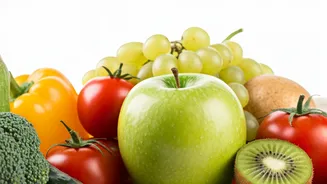
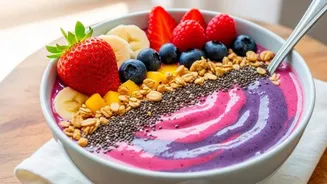
Keeping healthy snacks readily available is a vital component of successful eating. This strategy helps to prevent hunger pangs that could lead to unhealthy choices. Prepare snacks ahead of time and portion them out. Some excellent snack ideas include fresh fruits and vegetables, such as apples, bananas, carrots, and celery. Consider pairing them with a healthy dip, like hummus or Greek yogurt. Nuts and seeds are also great choices, providing healthy fats and protein. A handful of almonds, walnuts, or pumpkin seeds will satisfy hunger and contribute beneficial nutrients. Hard-boiled eggs are another fantastic, protein-rich snack. They are easy to prepare in advance and store in the refrigerator. By stocking your fridge and pantry with these items, you can avoid unhealthy cravings and maintain a consistent, healthy eating routine throughout the day. Regularly snacking on these items is a practical strategy that promotes both physical wellness and mental satisfaction.
Hydration is Key
Staying adequately hydrated is a fundamental aspect of overall well-being and a key element of a healthy eating strategy. Water aids in various bodily functions, including digestion, nutrient absorption, and metabolism. Dehydration can lead to fatigue, decreased concentration, and even false hunger signals, which might lead you to overeat. Aim to drink an adequate amount of water throughout the day. Carry a reusable water bottle and refill it regularly. If plain water feels unappealing, infuse it with fruits, vegetables, or herbs for added flavor. Cucumber slices, lemon wedges, and mint leaves are excellent additions. Herbal teas and unsweetened beverages, like sparkling water, can also contribute to your daily hydration goals. Consistently drinking enough fluids will improve your energy levels, support your body's natural processes, and support your overall well-being.