



Introduction: Healthy Eating
Managing diabetes involves careful attention to diet. It is crucial to consume meals that help maintain stable blood sugar levels. This guide highlights
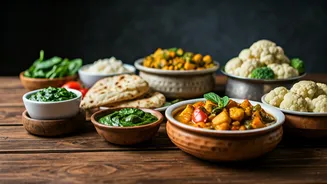
ten Indian recipes that are suitable for diabetics. These recipes emphasize whole grains, lean proteins, and plenty of vegetables, ensuring both deliciousness and health benefits. The dishes are designed to be easy to prepare, making healthy eating accessible even for busy individuals. This introduction sets the stage for a culinary journey that combines traditional Indian flavors with diabetic-friendly ingredients.
Oats Upma: Hearty Start
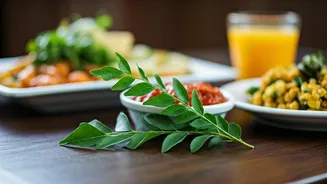
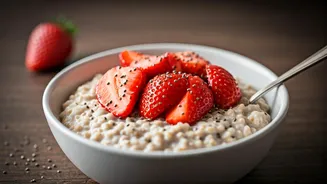
Oats Upma is a nutritious and satisfying breakfast choice for diabetics. This recipe uses oats, a whole grain known for its slow-digesting carbohydrates, which helps prevent blood sugar spikes. Prepare the upma with vegetables like carrots, peas, and onions to boost fiber content. Season it with minimal oil and spices, such as mustard seeds and curry leaves, for flavor. A serving of Oats Upma provides sustained energy throughout the morning without causing a sudden increase in blood glucose. The combination of ingredients creates a balanced and flavorful meal, making it an excellent way to kickstart the day for those managing diabetes.
Besan Chilla: Savory Pancakes
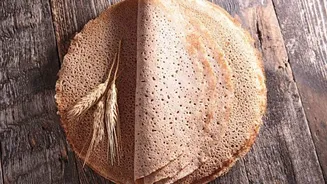
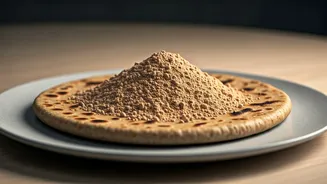
Besan Chilla, or chickpea flour pancakes, is another excellent breakfast or snack option. Chickpea flour is low on the glycemic index, making it suitable for diabetics. The chillas are made by mixing besan with water, spices like turmeric and cumin, and optionally adding chopped vegetables. Cook the chillas on a non-stick pan with minimal oil until golden brown. These savory pancakes are rich in protein and fiber, promoting satiety and helping to control blood sugar levels. Serve them with a side of homemade coriander chutney for added flavor. Besan Chilla provides a delightful and healthy alternative to traditional breakfast options.
Moong Dal Cheela: Protein Power
Moong Dal Cheela, made from green gram lentils, is a protein-packed and diabetic-friendly dish. The lentils are soaked, ground into a batter, and seasoned with spices. The cheelas are then cooked on a griddle until thin and crispy. This dish offers a good source of protein and fiber, both of which are essential for managing blood sugar levels. Adding vegetables like finely chopped onions and tomatoes enhances the nutritional value and taste. Moong Dal Cheela is a light yet filling meal choice, ideal for breakfast, lunch, or a light dinner. It is a versatile dish that can be easily customized with various spices and vegetables.
Vegetable Dalia: Nutritious Meal
Dalia, or broken wheat, is a fantastic grain for people with diabetes. Vegetable Dalia is a savory porridge cooked with broken wheat and a mix of colorful vegetables such as carrots, beans, and peas. The fiber content in dalia aids in slow digestion, preventing rapid glucose release. Cook the dalia in a pressure cooker or saucepan with water or broth, along with spices like turmeric and cumin for flavor. This dish offers a balanced combination of carbohydrates, fiber, and nutrients, making it a wholesome meal. Vegetable Dalia is an excellent option for lunch or dinner, providing sustained energy and supporting overall health.
Palak Paneer: Spinach Delight
Palak Paneer, a classic Indian dish, can be adapted for diabetics by controlling the portion size and using less oil. This dish is made with spinach and cottage cheese (paneer). Spinach is rich in fiber and nutrients, while paneer provides protein. Prepare the palak paneer by blending the spinach, sautéing it with spices, and then adding the paneer cubes. Ensure that you use a minimal amount of ghee or oil. Enjoy Palak Paneer with a small portion of whole wheat roti or a side of brown rice for a complete and nutritious meal. It is a flavorful and satisfying dish that offers several health benefits.
Tofu Curry: Plant-Based Protein
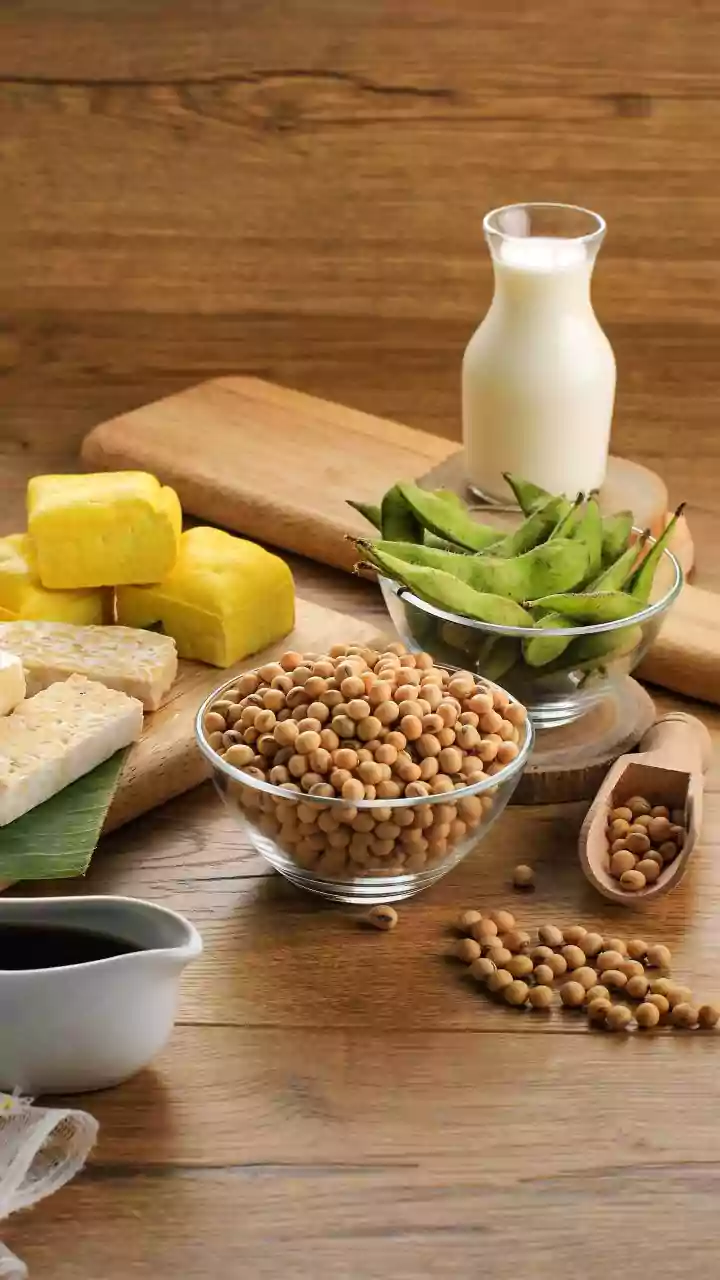
Tofu curry offers a delicious and healthy alternative to paneer or meat-based curries. Tofu is low in carbohydrates and rich in protein, making it suitable for diabetic diets. This curry can be prepared using a variety of vegetables and spices, such as ginger, garlic, turmeric, and coriander. The cooking process involves sautéing the vegetables, adding the tofu cubes, and simmering in a flavorful sauce. Serving the tofu curry with a portion of brown rice or whole wheat roti completes the meal. Tofu Curry is a fantastic plant-based option that provides a balanced nutritional profile, contributing to blood sugar management and overall well-being.
Chicken Curry: Lean Protein
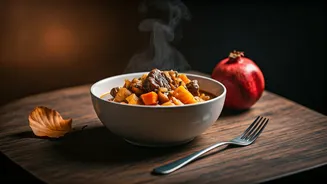
Chicken curry can be a part of a diabetic-friendly diet, provided lean cuts of chicken are used, and the cooking method emphasizes healthy techniques. Use boneless, skinless chicken breasts or thighs, which are lower in fat. Prepare the curry with minimal oil and include a generous amount of vegetables, like onions, tomatoes, and bell peppers. Season with spices like turmeric, ginger, and garlic for flavor and health benefits. Serve the chicken curry with a small portion of brown rice or whole-wheat roti. This allows for a satisfying and flavorful meal while keeping blood sugar levels in check. The key is to control portion sizes and cooking methods.
Dal Tadka: Lentil Goodness
Dal Tadka, a lentil dish, is a staple in Indian cuisine and a great choice for diabetics. Lentils are rich in fiber and protein, which helps slow down the absorption of glucose. The recipe involves cooking the lentils with water and spices, and then adding a tadka (tempering) of oil, mustard seeds, cumin seeds, and other spices. The choice of lentils, like masoor dal (red lentils) or toor dal (split pigeon peas), provides a nutritious base for the meal. Enjoy Dal Tadka with a small portion of brown rice or a whole-wheat roti. This comforting and flavorful dish contributes to a balanced diet and aids in managing blood sugar levels.
Bitter Gourd Sabzi: Diabetes Support
Bitter gourd, also known as karela, is widely known for its potential benefits in managing diabetes. This vegetable contains compounds that may help lower blood sugar levels. Bitter gourd sabzi can be prepared by sautéing sliced bitter gourd with onions, tomatoes, and spices. It's important to reduce the bitterness by soaking the bitter gourd in salt water before cooking. This sabzi is a great addition to the diet as it aids in controlling blood sugar levels. Serve this sabzi with a small portion of whole-wheat roti or a side of brown rice. Bitter gourd sabzi is a beneficial inclusion in the daily diet, supporting overall diabetic management.