





The Rise of AI Companions
Artificial intelligence is no longer just a tool for productivity; it's increasingly stepping into roles of emotional and social engagement. Millions are
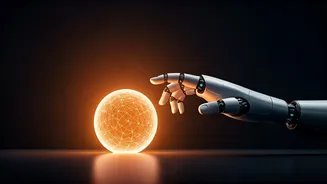
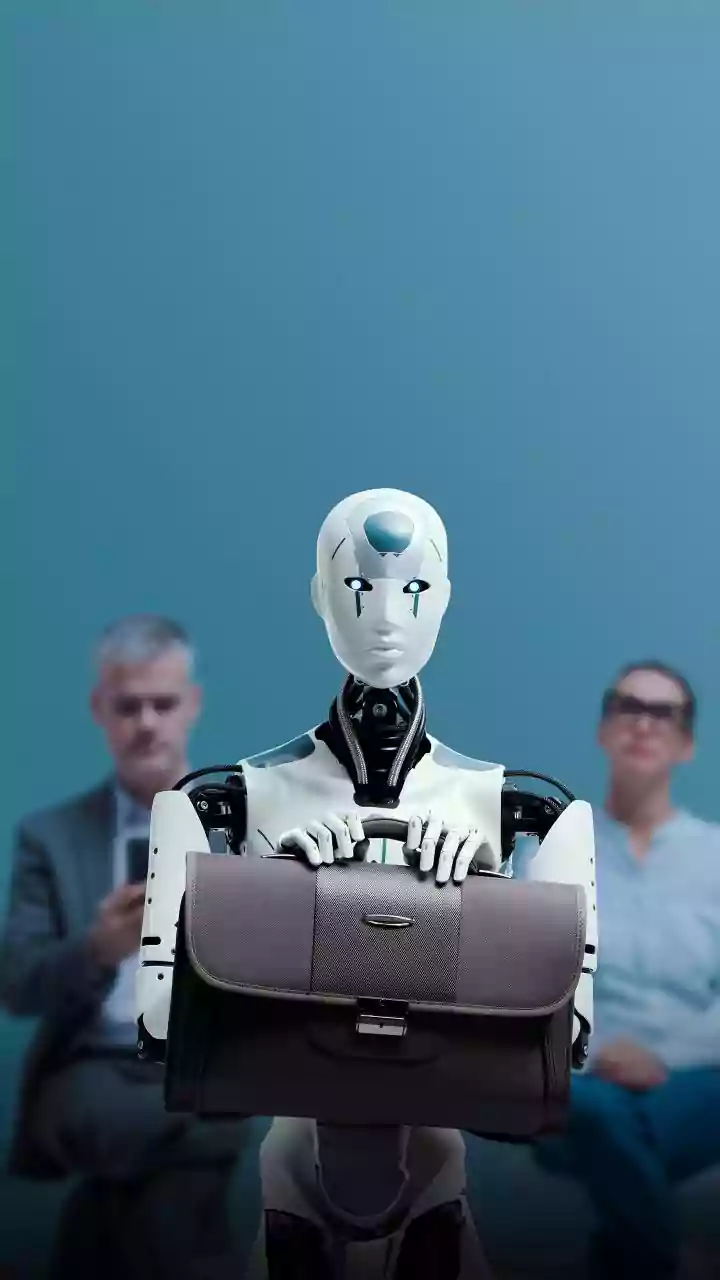
now interacting with AI systems as friends, romantic partners, and even as simulated versions of departed loved ones. This phenomenon represents more than just a technological shift; it's fundamentally altering our understanding and experience of intimacy. Sociologist James Muldoon highlights that these AI entities are the first of their kind with which humans can form emotionally significant bonds. Drawing parallels to the movie 'Her,' he notes how fictional portrayals of relationships with AI are now becoming a reality, largely due to advancements in large language models. In a world grappling with stress, anxiety, and uncertainty, readily accessible and easy-to-use AI companions are emerging as a potential crutch, even with the inherent risks of hallucination or harm. This transformation signifies a profound change in how individuals seek and experience connection in an era where traditional social ties might already be strained, making these digital relationships a critical area of study and societal reflection.
Monetizing Solitude
The concept of the 'loneliness economy' is gaining significant traction, with companies actively capitalizing on the widespread human desire for connection by offering AI-driven solutions. Sociologist James Muldoon points out that this trend raises concerns about the increasing commodification of relationships, potentially devaluing genuine human interaction. He argues that by having emotional needs met by algorithms, we risk creating an echo chamber that stifles personal growth and discourages exposure to diverse perspectives, which are vital for healthy social development. The AI companionship market is a multi-billion dollar industry, projected for substantial growth, with major platforms boasting tens of millions of users globally. Young adults, particularly those aged 18-24, show high rates of experimentation with these technologies. The intensity of use is notable, with many users engaging daily for extended periods, forming routine emotional attachments. This trend, observed prominently in countries like the US and UK, also has emerging footprints in nations such as Brazil and India, with its roots potentially amplified by the social isolation experienced during periods like the COVID-19 pandemic. The commodification of emotional support represents a complex societal shift with far-reaching implications for individual well-being and the fabric of society.
Diverse AI Relationship Forms
The spectrum of 'Relationship AI' is remarkably broad, catering to various human needs for connection. Some platforms are explicitly marketed as romantic partners, while others position themselves as AI friends or general emotional companions, offering a family-friendly alternative to more explicitly sexualized content. A significant category includes therapy-style bots, which provide mental health support. However, it's crucial to note that the majority of these are not medically approved devices and are often marketed as well-being or mindfulness apps, carefully avoiding claims of treating mental health conditions. This distinction is vital because the current generation of AI companions is primarily designed for casual conversation rather than diagnosing or treating psychological issues. The danger arises when individuals begin using these entertainment products as a substitute for human therapists or as their primary source of therapeutic support, a practice that can have severe consequences. Beyond companionship and therapy, unique applications like 'deathbots' are emerging. These AI systems are trained on data from deceased individuals, enabling users to simulate conversations with them. While not yet mainstream, these grief-tech services raise concerns about emotional dependency rather than fostering genuine closure. In extreme cases, some men are reportedly planning to raise children with AI partners, highlighting the profound integration of AI into fundamental life decisions and family structures.
The Future Landscape
As we look ahead, the landscape of intimacy bots is poised for significant evolution. Within the next decade, these AI companions are expected to become far more sophisticated, incorporating multimodal capabilities and deeper cultural localization. They will likely converse fluently in local languages and dialects, potentially integrating voice, avatars, and even augmented or virtual reality experiences. The market size is predicted to expand considerably, leading to a more normalized integration of these technologies into daily life. The central question, however, remains social rather than purely technical: will these advanced AI systems serve as healthy supplements to human relationships, or will they deepen emotional dependency on corporate platforms? This ongoing tension between technological advancement and its human implications will likely define the trajectory of intimacy bots over the coming years. Regulatory bodies are only beginning to grapple with these developments. European authorities have voiced concerns regarding data protection and manipulation, while California has enacted legislation aimed at enhancing child safety and preventing self-harm. China is also exploring stricter controls over AI algorithms. These evolving regulations suggest a future with greater transparency, privacy safeguards, and potential restrictions on emotional manipulation, particularly as these technologies become more pervasive, including in rapidly adopting markets like India.