


Embracing Ancient Grains
India's culinary landscape is vast and varied, with millets once playing a central role. In contemporary times, these nutrient-packed grains have been
overshadowed by more popular options. This article aims to revive the forgotten culinary uses of millets, introducing ten distinct recipes. These recipes feature a range of millets, showcasing the diversity of flavors and textures they can offer. This section will delve into the historical significance of millets in Indian diets and provide a brief overview of the nutritional benefits associated with each grain used.
Rajasthani Bajra Raabdi
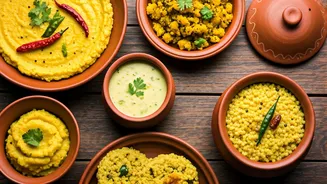
Bajra Raabdi, a creamy and warming dish, hails from Rajasthan. This porridge-like preparation involves fermenting pearl millet (bajra) flour with buttermilk or yogurt. The fermentation process enhances the flavor and makes the nutrients more accessible. To prepare it, bajra flour is slowly mixed into the buttermilk, then simmered until thickened. Spices like cumin and chili can be added for extra flavor. Bajra Raabdi is often enjoyed as a breakfast staple or a cooling summer drink, particularly beneficial due to its probiotic properties and ability to soothe the stomach. The dish reflects the resilience and resourcefulness of Rajasthani cuisine, relying on locally available ingredients.
Barnyard Millet Pulihora
Pulihora, a classic South Indian rice dish, is given a healthy makeover with barnyard millet. This version swaps rice with barnyard millet, which is known for its quick cooking time and slightly nutty flavor. The preparation generally starts with cooking the millet until fluffy. Tamarind pulp is then tempered with mustard seeds, urad dal, chana dal, green chilies, and curry leaves. This tangy mixture is then mixed with the cooked millet, ensuring it is well-coated. This dish offers a delightful blend of textures and flavors. It provides a good source of fiber and is a gluten-free alternative, making it suitable for various dietary needs, and it is quick to make.
Bajra Fara
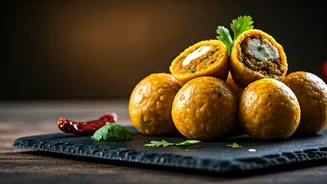
Bajra Fara is another recipe that creatively uses pearl millet, presenting it in the form of dumplings or steamed cakes. These savory treats are typically made by mixing bajra flour with spices, herbs, and sometimes vegetables. The mixture is then formed into small dumplings and steamed until cooked through. These dumplings are often served with a chutney or a flavorful yogurt dip. Bajra Fara provides a substantial meal and is packed with the goodness of pearl millet. This dish is versatile and can be tailored to individual tastes by adding different spices or vegetables.
Ragi Mudde
Ragi Mudde, a staple in Karnataka, is a simple yet nourishing dish made from finger millet (ragi) flour. The flour is cooked in boiling water until it forms a thick, smooth, and dough-like consistency. It is traditionally served with various curries and stews, providing a balanced meal. The preparation method involves continuously stirring the ragi flour in boiling water to prevent lumps from forming. Ragi Mudde is a powerhouse of nutrients, including calcium and fiber. It is known for its ability to keep one full for an extended period, making it a very healthy meal and a common choice for those seeking a nutritious diet. Its neutral taste complements various accompanying dishes.
Boza: Fermented Delight
Boza is a fermented beverage often made with various grains, although, in this context, it could utilize millets like pearl millet. This thick, slightly sour drink has a unique texture and flavor. The fermentation process helps create probiotics, promoting gut health. The preparation involves fermenting the grain with water and sugar for several days. After this process, the beverage is often thickened with a bit of flour. Boza is often consumed as a refreshing drink, especially during warmer months. It provides an enjoyable way to incorporate the goodness of fermented foods into one's diet. The recipe's adaptability to various grains allows for unique regional variations.
Browntop Millet Tehari
Tehari is a one-pot rice dish, and this variant incorporates browntop millet. Browntop millet is a lesser-known grain that offers a delicate taste and texture. In this recipe, the millet is cooked with vegetables, spices, and sometimes meat (depending on preference), similar to a pulao. The key to this dish is using aromatic spices and allowing the flavors to meld during cooking. Browntop millet Tehari is a complete meal, providing carbohydrates, proteins (from the vegetables or meat), and essential micronutrients. This dish presents a quick, easy, and flavorful way to utilize browntop millet, providing a good balance of taste and nutrition in a single pot.
Foxtail Millet Payasam
Payasam, a sweet dessert or pudding, is another recipe that shows the versatility of millet. This recipe calls for foxtail millet, and it involves cooking the millet in milk with sugar or jaggery. Often, cardamoms, nuts, and raisins are added for flavor and texture. The cooking process is slow, and the constant stirring ensures the millet absorbs the milk and develops a creamy consistency. Foxtail Millet Payasam offers a nutritious dessert option as foxtail millet is a good source of fiber and minerals. This sweet treat offers a delightful way to introduce millets into a diet. This recipe also allows for regional adaptations, with different sweeteners and flavors.
Little Millet Ela Ada
Ela Ada is a traditional South Indian sweet dumpling that is commonly made with rice flour and coconut filling. This recipe substitutes the rice flour with little millet, which gives the dish a unique texture and taste. The preparation involves making a dough with little millet flour and then filling it with a mixture of grated coconut, jaggery, and cardamom. The dumplings are then wrapped in banana leaves and steamed until cooked. Little Millet Ela Ada is a delicious and healthy dessert option that's also gluten-free. This recipe offers a twist on the traditional sweet and highlights the versatility of little millet in creating delightful treats. The aromatic banana leaf adds to the overall experience.
Embrace the Millet Revival
These ten recipes demonstrate the extensive versatility of millets in Indian cuisine, offering a variety of flavors and nutritional benefits. They offer a practical way to integrate these forgotten grains back into our diets. By exploring these dishes, home cooks can rediscover the richness and diversity of Indian food heritage while enjoying the health advantages associated with these ancient grains. Embracing these recipes means celebrating culinary traditions and supporting sustainable eating practices. These recipes are easily adaptable and offer a gateway to a healthier and more flavorful diet by incorporating millets.