







The Rise of Sodium-Ion
In the ever-evolving landscape of energy storage, lithium-ion batteries have long been the reigning champions, prized for their robustness, decent power
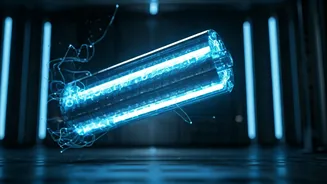
output, and longevity. However, this dominance might be short-lived. Innovations in sodium-ion battery technology, which harness sodium as the primary charge carrier instead of lithium, are rapidly gaining traction. Researchers are particularly excited about the potential of sodium-ion batteries to outperform their lithium-ion counterparts, especially in crucial areas like charging speed and energy storage capacity. This shift is driven by a fundamental redesign of battery components, aiming to unlock new levels of performance and sustainability in rechargeable battery systems.
Hard Carbon's Crucial Role
A significant breakthrough in enhancing sodium-ion batteries comes from the utilization of hard carbon as the anode material. Investigations by scientists at Tokyo University of Science have revealed that this porous substance possesses a remarkable ability to accommodate large quantities of sodium ions. Under specific experimental conditions, the speed at which sodium ions are incorporated (sodiation) into the hard carbon anode was observed to be substantially faster than the rate of lithium ion insertion (lithiation) in the same material. This enhanced sodiation rate means that a sodium-ion battery employing a hard carbon anode could achieve charging speeds comparable to, or even exceeding, those of lithium-ion batteries that use hard carbon, and rivaling those that use more conventional anodes like graphite. Furthermore, hard carbon shows promise in improving energy density, an area where sodium-ion batteries have historically lagged behind lithium-ion technology.
Navigating Current Challenges
Despite these promising developments, it's important to acknowledge that sodium-ion batteries are not poised to completely displace lithium-ion batteries in the immediate future. While the prospect of faster charging is very real, the primary hurdle lies in ensuring that the sodiation process remains consistently swift and efficient. The scientific community is actively working to overcome issues related to potential 'ion traffic jams' that can impede the speed and reliability of the charging mechanism. Nevertheless, the inherent advantages and ongoing advancements in sodium-ion technology make it a compelling area of research and development, signifying its potential as a future energy storage solution.
Beyond Performance: Key Benefits
The exploration and advancement of sodium-ion batteries have been a continuous endeavor for decades, with initial developments dating back to the 1980s, even as lithium-ion technology ascended to prominence. Today, sodium-ion batteries are expanding their applications, notably finding their way into electric vehicles, and developers are optimistic about their increased adoption in the coming years. Beyond potential parity or superiority in charging and energy storage capabilities when paired with the right materials, this technology offers a suite of other compelling advantages that support its progression into the mainstream. These benefits contribute to a more sustainable and economically viable energy future.
Sustainability and Affordability
A primary advantage of sodium-ion batteries lies in their enhanced environmental credentials compared to their lithium-ion counterparts. Sodium is a far more abundant element on Earth than lithium, which translates to a less strained supply chain during harvesting and utilization. This ease of sourcing also contributes to improved logistics, as sodium-ion batteries are generally easier and safer to transport, with a reduced risk of spontaneous combustion, although they don't reach the non-flammable safety of water-based batteries. Moreover, the widespread availability of sodium directly translates into lower production costs, potentially making sodium-ion batteries more affordable for both manufacturers and end consumers, offering a cost-effective alternative in the energy storage market.