





The Essence of Tavernas
Goan tavernas are more than just drinking spots; they are anchors of community life, imbued with the rich aroma of aged spirits and the comforting presence
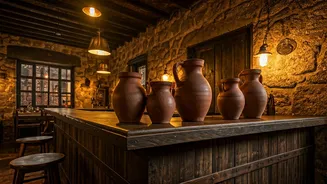
of familiar faces. These establishments, often unadorned, possess a character that speaks of decades of shared moments and conversations. Chef Rahul Gomes Pereira highlights Clube Nacional, Sea View, and Star Bar as exemplars, where the lingering scent of alcohol in the walls and the easy camaraderie of regulars define their enduring appeal. He emphasizes that the core of a taverna's charm lies in its authenticity, its refusal to pretend to be something it's not. This inherent sense of self is crucial, as it fosters a unique social dynamic where belonging is felt, not articulated, and the taverna’s existence precedes any visitor’s need for it. This deep-rooted local anchoring allows tavernas to function as vital social hubs, places where the pulse of the community is felt and shared.
A Hub for Community
Tavernas serve as the de facto village squares of Goa, as described by Chef Avinash Martins. They are vibrant centers for information exchange, where the day's news, local gossip, and community politics are freely discussed. These discussions are far from formal; they unfold through fragmented conversations, interruptions, and the specific dynamics of each table. This informal, unrecorded, and analogue flow of information is a hallmark of tavernas. Mackinlay Barreto of The Local Beat observes this phenomenon most clearly in smaller, less conspicuous tavernas like 'Parliament' in Curtorim, where village chatter is distilled, and places like the Toddy Tapper's Tavern in Majorda, which evoke the densely populated, observational worlds found in Mario Miranda's art. These spaces capture the essence of local life, where every patron is an integral part of the scene.
Culinary Spontaneity
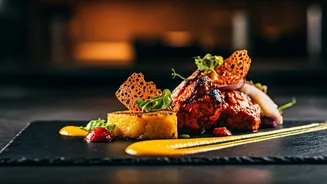
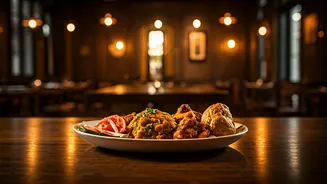
The food served in Goan tavernas is a testament to spontaneity and ingredient availability. Menus are rarely fixed, with dishes prepared based on the day's fresh catch or whatever the kitchen is best equipped to handle. This approach often results in simple yet delicious offerings like fried fish, rich sorpotel, or accompaniments like pickles and dried meats. At Star Bar, for instance, a makeshift kitchen produces fresh seafood dishes like rawa prawns and chonak recheado, cooked to order and accompanied by the sounds and smells of their preparation. This consistent philosophy of serving what's on hand, whether it's locally sourced snails or freshly opened oysters, defines the culinary experience across these establishments, reflecting a practical and unpretentious approach to food.
Evolution and Persistence
The Goan taverna landscape is evolving, with some establishments blending traditional charm with contemporary elements. Pablo's in Assagao, for example, has grown from a small, intimate space into a more visible venue that still retains its ease and Goan essence, attracting a diverse clientele. Similarly, places like Joseph's Bar now offer feni cocktails alongside traditional offerings, while Antonio's, Bar Cool Drinks, and Darling's Bar incorporate elements like craft beer and thoughtful design, creating spaces that bridge the gap between old and new. However, these adaptations coexist with older tavernas that remain largely unchanged, persisting with their original pace and consistent local audience, unconcerned with external pressures or the need to adapt.
The Taverna Etiquette
Entering a Goan taverna requires an understanding of its intrinsic social structure and unwritten rules. It's about stepping into an existing rhythm, a space where regulars set the tone and visitors are accommodated rather than centered. Chef Miranda emphasizes that tavernas were never designed for a broad audience but were shaped by the routines of those who frequented them, such as a post-work drink or a pre-siesta pause. While some spaces may gain visibility through menus or music, their essence lies in their unstructured, familiar nature. The primary etiquette involves respecting the established order: drink what's served, eat what's fresh, observe the room, and acknowledge that you are a guest in someone else's daily life. This approach ensures the preservation of the taverna's authentic character.