






The Fit Paradox
A compelling case has emerged from Hyderabad, highlighting a significant disconnect between perceived fitness and actual arterial well-being. Dr. Syed
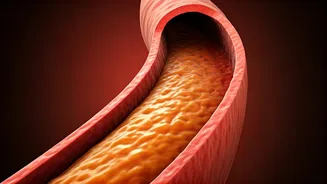
Akram Ali, a cardiologist, shared the story of a 37-year-old man who, despite adhering to a rigorous fitness regimen—including a daily 5 km run—maintaining a strict diet devoid of junk food, and practicing healthy habits like timely sleep and abstaining from vices, required the placement of two stents. This individual was not overweight, did not smoke or drink, and generally followed a lifestyle that medical advice often touts as protective against heart disease. However, upon experiencing symptoms such as chest pressure and discomfort radiating to his left arm, an angiogram revealed two substantial blockages in his coronary arteries, necessitating urgent intervention. This situation underscores a crucial point: a conventional understanding of a 'healthy' lifestyle may not encompass all the vital elements necessary for robust cardiovascular health, leaving many individuals unknowingly vulnerable.
Genetic Predispositions
A significant, often underestimated, contributor to heart disease risk lies within our genetic makeup. Dr. Ali emphasizes that family history plays a pivotal role; if a father or uncle experienced early heart problems, an individual's risk escalates by two to three times, irrespective of their current fitness level, body weight, or activity. This hereditary component is further compounded by genetic factors influencing cholesterol levels, specifically lipoprotein(a), or Lp(a). Unlike standard cholesterol markers, Lp(a) is a purely genetic particle that routine lipid profiles fail to detect. Elevated levels of Lp(a) can lead to the silent accumulation of plaque in the arteries, even when LDL ('bad') cholesterol is within normal ranges. This genetic predisposition means that individuals can develop arterial blockages without any apparent lifestyle-related warning signs, making it a 'silent killer' that requires specific, advanced testing to identify.
Stress and Inflammation's Toll
The modern corporate lifestyle, often characterized by high levels of chronic stress, presents a substantial threat to cardiovascular health that regular exercise may not fully counteract. Dr. Ali points out that even a daily 5 km run, while beneficial for overall fitness, is insufficient to mitigate the physiological impacts of persistent stress. Stress hormones like adrenaline can elevate blood pressure and foster systemic inflammation, which in turn contributes to the formation of microplaques within the arteries. Furthermore, underlying inflammation, often measured by markers like C-reactive protein (CRP), can exist undetected in many seemingly healthy individuals. This chronic, low-grade inflammation accelerates arterial damage, a crucial factor in the development of heart disease that is typically not assessed in standard medical check-ups. The interplay between stress and inflammation creates a hostile environment for the arteries, even in those who are physically active.
Sleep Quality Matters
The quality and duration of sleep, coupled with modern habits like extensive screen time, significantly impact metabolic health and cardiovascular resilience. Dr. Ali highlights that sleeping for only six hours a night, particularly with late-night screen exposure leading up to midnight, can induce considerable metabolic strain. This disruption to natural sleep cycles can elevate cortisol levels, a stress hormone, leading to blood thickening and an increased instability of existing arterial plaque. Poor sleep quality essentially creates a physiological environment that is conducive to the progression of heart disease. It's not just about the quantity of sleep but the restorative quality and the cumulative effect of lifestyle choices, such as prolonged engagement with electronic devices before bed, that contribute to this strain on the body's systems.
Essential Advanced Testing
To gain a comprehensive understanding of cardiovascular risk beyond standard metrics, specific advanced tests are crucial, especially for individuals over 25. Dr. Ali recommends a battery of tests for Indians, including Lipoprotein(a) to assess genetic cholesterol risk, HS-CRP as an inflammation marker, and ApoB. Additionally, HbA1c and fasting insulin tests are vital for evaluating metabolic health and insulin resistance. Other important markers include Vitamin D levels, Homocysteine, and, if symptoms are present, a TMT (treadmill test). For those over 35, a coronary calcium score is highly beneficial for detecting early plaque buildup even before symptoms manifest. These tests, corroborated by interventional cardiologists like Dr. Parin Sangoi, offer a more granular view of arterial health and potential risks that basic check-ups miss, enabling proactive management of heart health.