


Global Acclaim for Indian Puddings
The esteemed online food guide, TasteAtlas, recently unveiled its highly anticipated list of the Top 32 Rice Puddings worldwide, a celebration of comforting
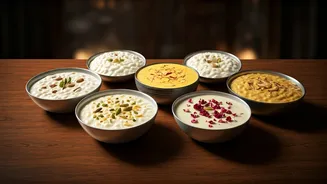
and culturally rich desserts. India made a significant impression on this global roster, proudly featuring six distinct regional rice puddings. These selections underscore the vast culinary diversity present across the nation. Each pudding, from the elaborately prepared to the simply comforting, tells a story of regional identity, historical roots, and the profound connection between food and cultural practices in India. The recognition by TasteAtlas highlights the universal appeal and intricate craftsmanship embedded in these beloved Indian sweet preparations, bringing them to the forefront of international culinary appreciation.
The Stars of the List
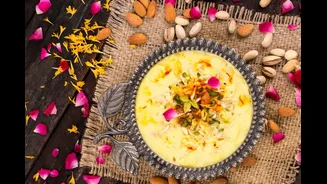
Leading the charge among the Indian entries, Phirni secured an impressive Rank 3, celebrated for its luxurious creaminess and its association with festive occasions. Following closely at Rank 7 is Kheer, a dessert with ancient origins, acknowledged as one of India's most enduring and universally adored sweet dishes. Venturing to South India, Sakkarai Pongal, ranked 15th, is a sweet tribute to the harvest season, deeply intertwined with agrarian traditions. Its close relative, Pongal, recognized at Rank 19, offers a more everyday, comforting rendition. From the western regions, Doodhpak, at Rank 24, introduces a richer, saffron-infused flavour profile. Finally, rounding out India's strong showing at Rank 26 is Ven Pongal, a savoury variation that beautifully illustrates the breadth and depth of rice-based culinary creations within the country.
Tradition in Every Spoonful
Food author and historian Sadaf Hussain emphasizes that these Indian rice puddings transcend mere dessert status, embodying centuries of tradition, deep emotion, and distinct regional identities. He explains that their lasting appeal stems from the unhurried, slow-cooking process, which allows flavours to meld beautifully and creates a sensory experience tied to cherished memories. Hussain highlights that the gradual simmering and the captivating aromas that fill the kitchen elevate simple ingredients like milk and rice into something truly special. This deliberate pace, coupled with the cultural context—whether as celebratory treats or solemn temple offerings—infuses each dish with profound meaning, making them more than just food, but rather memories savoured.
Unique Elements of Indian Puddings
The distinctiveness of Indian rice puddings, according to Hussain, lies in a trifecta of key factors. Firstly, their reliance on slow-cooking techniques is paramount, fostering an unparalleled depth of flavour and texture. Secondly, the rich cultural context in which they are embedded plays a crucial role, connecting them to everything from joyous celebrations to solemn rituals and daily life. Lastly, their remarkable consistency over centuries underscores an enduring authenticity. This preservation of tradition ensures that these dishes remain deeply connected to their heritage. As Hussain eloquently puts it, they are not merely desserts but 'memories served in a bowl,' representing prosperity, abundance, and gratitude, particularly in the context of temple food offerings.
Healthier Twists on Classics
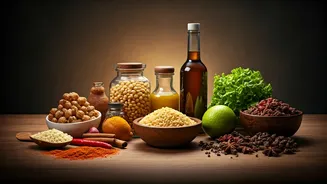
Chef and food historian Osama Jalali offers insightful suggestions for making these beloved Indian rice puddings healthier without compromising their authentic essence. For Phirni, he recommends substituting refined sugar with natural sweeteners like dates or jaggery, and opting for low-fat or plant-based milks such as almond milk. Kheer can be revitalized by swapping white rice for nutrient-rich alternatives like brown rice or millets, and enhancing its protein content with added nuts and seeds. Sakkarai Pongal can achieve a lower sugar profile by reducing jaggery by 25-30% and boosting its nutritional value with more moong dal. Ven Pongal benefits from the addition of fibre-rich vegetables and digestive aids like ginger and pepper. Doodhpak can be lightened with toned or nut milks and enriched with fruits like lauki or apple for volume. Finally, Pongal can be made healthier by incorporating millets alongside rice, adding lentils, or exploring fermented variations, ensuring these cultural cornerstones remain vibrant and nourishing.