





Understanding Cellulite's Roots
Cellulite, that familiar dimpled skin texture, arises when fat deposits push through the underlying connective tissue. While genetics and hormones play
a role, your dietary choices profoundly influence its visibility. Consuming excess calories can amplify fat storage, directly impacting cellulite's prominence. Furthermore, inflammatory foods can compromise connective tissue health, exacerbating the issue. High sodium intake is a notorious culprit, leading to water retention that temporarily makes cellulite more apparent. Conversely, specific nutrients like Vitamin C and collagen are vital for fortifying connective tissues, offering a proactive defense against the bumpy appearance.
Nourishing Foods for Smoother Skin
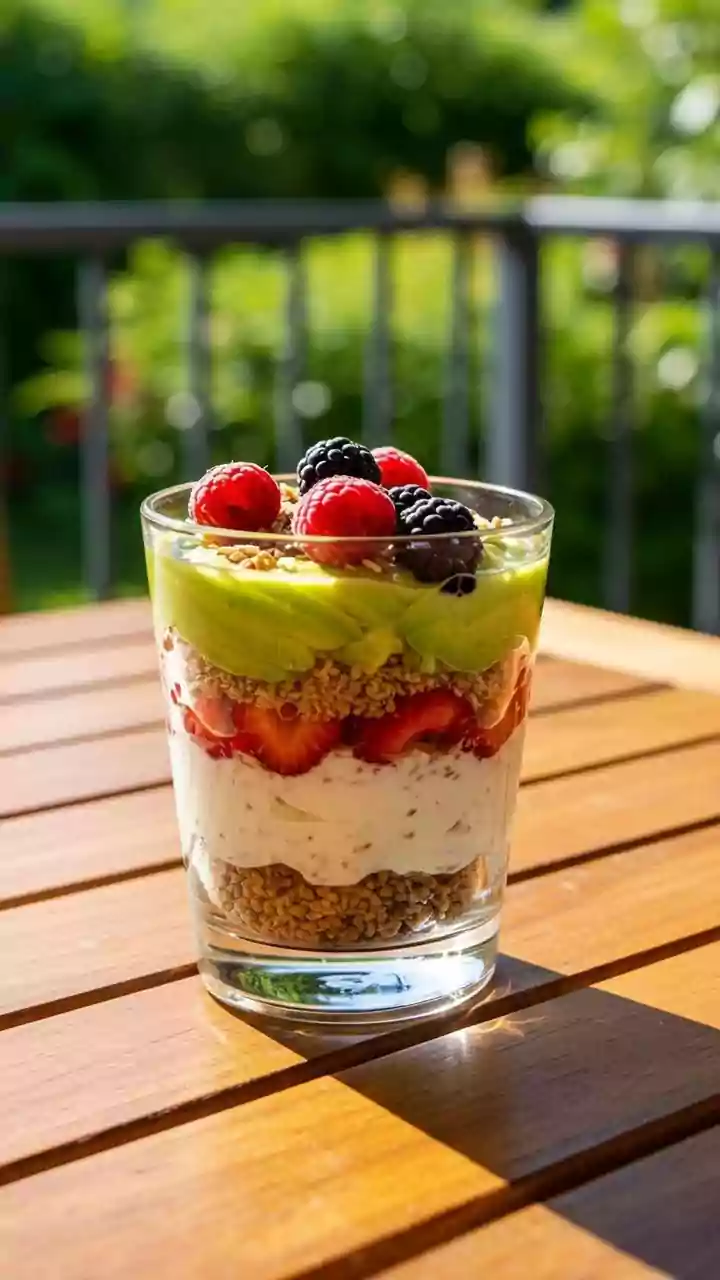
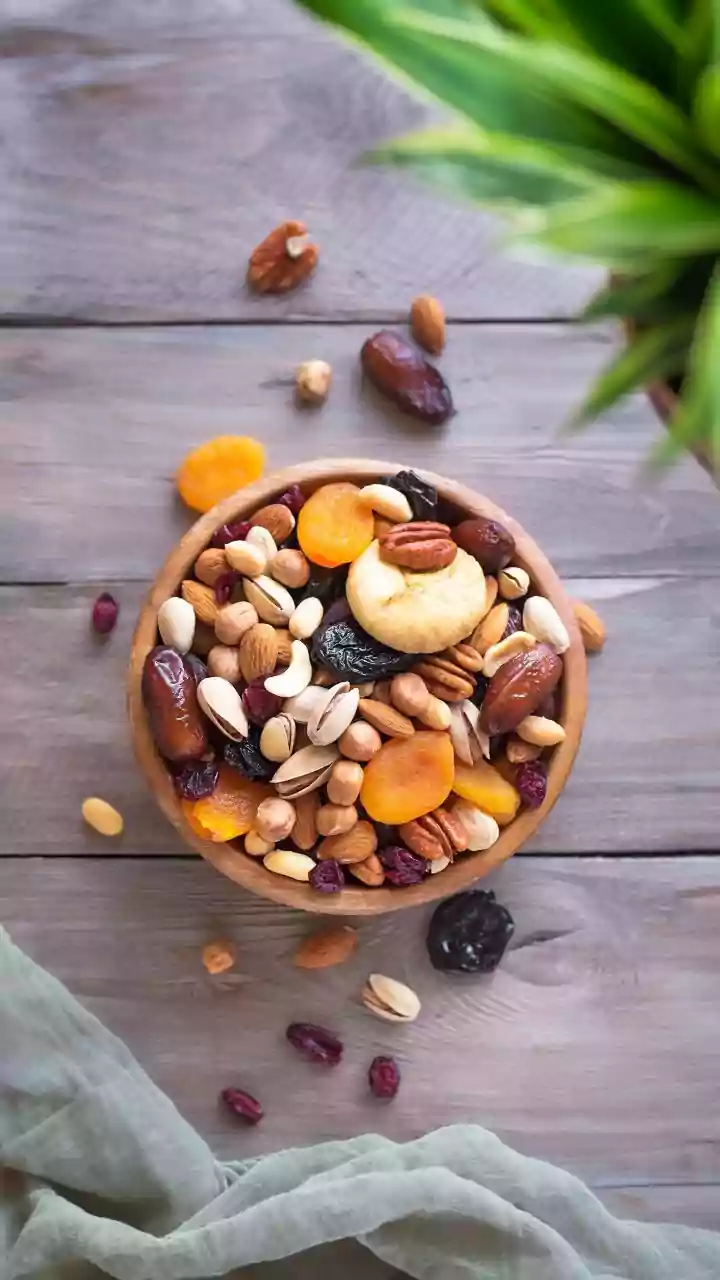
To effectively tackle cellulite, focus on a diet centered around whole, unprocessed foods that actively combat inflammation and support healthy fat metabolism. Prioritize lean proteins such as chicken breast, turkey, fish rich in omega-3s (like salmon and mackerel), legumes, and tofu. These are crucial for building and repairing skin elasticity. Load up on a vibrant array of fruits and vegetables; berries, leafy greens, citrus fruits brimming with Vitamin C, avocados for healthy fats, lycopene-rich tomatoes, and diuretic asparagus are excellent choices. Incorporate healthy fats from sources like fatty fish, nuts, seeds, and extra virgin olive oil to reduce inflammation. Whole grains like oats, quinoa, and brown rice provide essential fiber and nutrients for stable energy levels. Finally, ample hydration through water and herbal teas is non-negotiable for flushing toxins and maintaining skin suppleness.
Foods to Limit or Avoid
Certain dietary habits can inadvertently worsen cellulite by promoting inflammation, increasing fat storage, and causing fluid retention. It's essential to minimize your intake of highly processed foods, which are often laden with unhealthy fats, excessive sugar, sodium, and artificial additives. Think packaged snacks, fast food, and processed meats. Refined sugars found in sodas, candies, and pastries contribute to inflammation and weight gain. Be mindful of excessive sodium in salty snacks, canned soups, and processed cheeses, as it directly leads to water retention and makes cellulite more visible. Trans fats and high amounts of saturated fats present in fried foods and fatty red meat can also fuel inflammation and fat accumulation. Additionally, alcohol can dehydrate your body and contribute to inflammatory processes.
Key Nutrients for Cellulite Defense
Certain vitamins and minerals play pivotal roles in combating cellulite. Vitamin B6 is crucial for protein metabolism and repairing connective tissue, while also helping balance sodium and potassium to prevent toxic waste buildup and acting as a natural diuretic. Vitamin D, often linked to winter fat gain, is essential for regulating body composition and may help manage fat accumulation. Catechins, abundant in green tea, have shown promise in boosting energy expenditure and fat oxidation, aiding in weight loss. Vitamin C is vital for collagen production, strengthening connective tissue and blood vessels, and encouraging the body to use fat for fuel; its benefits are enhanced when paired with Vitamin E and rutin. Calcium is another key player, influencing energy metabolism and body composition, potentially reducing body fat and promoting weight loss. Iodine ensures proper thyroid function, which regulates metabolism and aids in detoxification. Zinc is critical for regulating appetite and fat storage by influencing leptin levels, and it requires Vitamin B6 for absorption. Finally, potassium helps reduce water retention and flush toxins, while selenium, a potent antioxidant, works synergistically with Vitamin E to protect tissues and combat cellulite.