






Mysterious Chandra Taal
Chandra Taal, also known as the Moon Lake, rests in the Lahaul and Spiti district of Himachal Pradesh, at a soaring altitude of about 14,100 feet. This
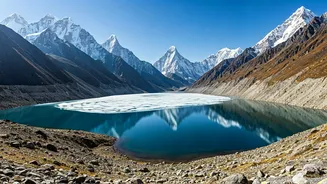
stunning lake earned its nickname for its crescent shape and its remarkable resemblance to the moon's surface. The pristine, crystal-clear water of the lake reflects the surrounding mountains and the azure sky above, creating a breathtaking panorama. During the day, the lake mirrors the sun, and under the moonlit sky, it transforms into a magical spectacle, further enhancing its allure. This high-altitude lake is a natural wonder that draws visitors from all over the world, promising a visual treat and a moment of peace.
Geological Wonders Revealed
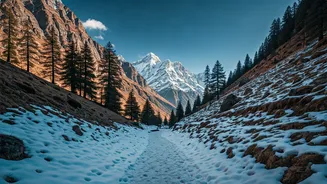
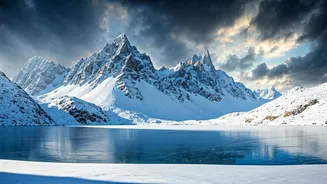
The unique beauty of Chandra Taal isn’t just aesthetic; it’s rooted in geological and environmental factors. The lake's formation is due to glacial activity. The surrounding mountains were shaped by glaciers that carved out the basin where the lake now sits. The melting glaciers fed the lake over centuries, giving it the pure water it is famous for. The surrounding terrain, characterized by barren landscapes and high-altitude vegetation, contributes to the otherworldly atmosphere of the lake. The lack of significant human activity has kept the environment pristine. The high altitude and the resulting thin atmosphere also contribute to the lake's appearance, making the colours appear more vibrant and the reflections even more stunning, resembling the moon's surface.
Spiritual Significance Deep
Beyond its geological significance, Chandra Taal holds deep cultural and spiritual importance for the local communities. The lake is associated with many local legends. One of the most famous stories relates to the meeting of Lord Indra and the Pandavas from the Mahabharata. It's believed that the Pandavas passed through this area on their ascent to heaven. The lake is also considered sacred by many locals, with prayers and rituals conducted at its shores. The peaceful ambience and the captivating beauty of the lake provide a sense of spiritual connection and introspection for those who visit. It is a place of reflection, attracting those seeking inner peace and a closer connection with nature and divinity.
Flora, Fauna, & Ecosystem
The environment around Chandra Taal supports a unique ecosystem, adapted to the harsh high-altitude conditions. While vegetation is sparse, the area boasts hardy plants like alpine shrubs and grasses that manage to survive. The lake is a habitat for various species of migratory birds, making it a paradise for bird watchers during the summer months. Some of the most common birds seen here include bar-headed geese and various species of ducks. Despite its remote location and extreme climate, the area supports a diverse range of wildlife, including the elusive snow leopard and the Himalayan ibex. The surrounding environment plays an important role in maintaining the pristine condition of the lake and its appeal for both tourists and locals.
Visiting Chandra Taal
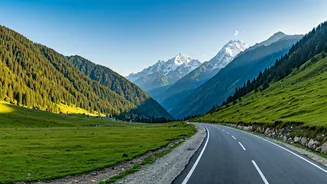
Visiting Chandra Taal offers a chance to experience the beauty of the Himalayas. The journey is an adventure in itself, with winding roads and stunning vistas. The best time to visit the lake is during the summer months, from June to September, when the weather is clear, and the access is relatively easy. However, the conditions in the mountains can change rapidly, and visitors should be well-prepared with appropriate clothing, gear, and supplies. Camping near the lake is a common practice, allowing visitors to immerse themselves in the surroundings. It's essential to respect the environment and local culture while visiting the lake. Responsible tourism practices, such as not littering, help to preserve the beauty and sanctity of this natural wonder for future generations.