




A Canal's Ambitious Beginnings
In 1828, America embarked on a monumental infrastructure project, the Chesapeake and Ohio Canal. This ambitious waterway was conceived during a pivotal
era of transportation innovation, where canals were the leading arteries for moving people and goods across the nation, a stark contrast to the developing road networks. The vision was grand: to connect the Chesapeake Bay directly with the Ohio River, opening a vital pathway to the burgeoning American West. However, fate intervened subtly as construction commenced. On the very same day the first sod was turned for the canal, the Baltimore and Ohio Railroad initiated its operations, marking the genesis of a quiet rivalry between water and rail transportation that would define the future of American commerce and travel.
Gliding Through History
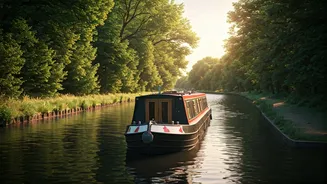
Today, visitors can immerse themselves in this bygone era at the Chesapeake & Ohio Canal National Historical Park, a sprawling preserve that stretches across Washington D.C., Maryland, and West Virginia. The park offers a remarkable opportunity to step aboard meticulously crafted replica boats, reminiscent of those that plied the waters in the late 19th and early 20th centuries. These journeys allow for an authentic experience of the canal's historical significance. The park features two primary access points for these unique excursions: one located in Potomac, Maryland, and another in Williamsport, Maryland. From mid-May, weather permitting, these preserved sections of the canal come alive with the gentle passage of these historical vessels, offering a tangible connection to America's past.
Experiences at Great Falls
At the scenic Great Falls section of the park, visitors can embark on a delightful 30-minute excursion aboard a 30-foot launch-style leisure boat. This vessel choice pays homage to the smaller passenger ships that were popular for both leisurely outings and essential business travel during the canal's operational heyday. These rides are entirely free, operating on a first-come, first-served basis primarily on Fridays and Saturdays. To secure a spot, participants must first check in at the visitor center to obtain a ticket. Each tour is capped at a maximum of nine passengers, ensuring an intimate and engaging experience, allowing ample opportunity for questions and interaction with the knowledgeable park rangers who lead these historical voyages.
Williamsport's Architectural Marvel
In Williamsport, Maryland, another captivating experience awaits, focusing on one of the canal's most impressive surviving structures: a unique stone masonry aqueduct, the only one of its kind meticulously restored in the United States. Here, free tours extend to approximately 40 minutes and are limited to a group of 10 individuals. These tours are not merely a boat ride but also an enriching historical lesson, providing an in-depth interpretive narrative of the canal's construction, purpose, and impact on the region. Tickets for this experience are also distributed on a first-come, first-served basis, typically becoming available one hour prior to the tour's commencement, making early arrival advisable for those eager to explore this architectural gem.
Rangers Bring History Alive
Beyond the simple pleasure of a boat ride, visitors to the C&O Canal National Historical Park are treated to a dynamic and engaging historical presentation. As Christiana Hanson, the chief of interpretation, education, and volunteers, eloquently puts it, "Rangers bring the canal to life with demonstrations." These knowledgeable guides utilize a variety of methods to illustrate the canal's past, explaining the intricate workings of the locks that enabled boats to ascend and descend, shedding light on the rise and fall of bustling canal towns that once thrived along its banks, and detailing how the economy of the time was deeply intertwined with this vital waterway. These insights offer a profound understanding of the canal's role in shaping early American life and commerce.
The Canal's Fading Reign
The Chesapeake & Ohio Canal served as a critical transportation route for nearly a century, spanning an impressive 184.5 miles. While it was envisioned to connect the Chesapeake Bay with the Ohio River, providing a crucial gateway to the expanding American frontier, it ultimately fell short of its full geographical ambition. The canal's operational life coincided with the rapid advancements in railway technology. By the 1860s and 1870s, railroads offered greater speed, increased cargo capacity, enhanced reliability, and features like refrigeration, rapidly surpassing the canal's capabilities. Furthermore, the canal's vulnerability to flooding and the unpredictable nature of the Potomac River contributed to its gradual decline. Despite its eventual obsolescence, the canal stands as a testament to an earlier chapter of American ingenuity, inviting exploration and reflection until September.