





Heat-Generating Veggies Unveiled
During a heatwave, your body is already working overtime to stay cool. Introducing foods that require significant digestive effort can be counterproductive.
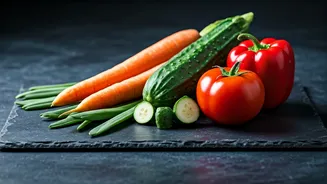
Certain root vegetables like carrots, radish, and turnips, due to their dense complex carbohydrates and high fiber content, necessitate more metabolic energy for digestion, thus generating more internal heat. Brinjal, or eggplant, possesses naturally thermogenic properties that can potentially lead to bloating when your core temperature is already elevated. Similarly, mustard greens, known for their inherent heat-producing qualities, might exacerbate heat-related skin issues like rashes and inflammation. Even seemingly innocuous vegetables like drumstick pods, especially when consumed raw, are fibrous, stimulating digestive processes and slightly increasing core temperature. While raw onions can offer a cooling effect in small amounts, larger quantities become pungent and gas-producing, straining the digestive system. Cluster beans, rich in oligosaccharides, can lead to fermentation in the gut, causing discomfort and potentially increasing the risk of dehydration when your body is already struggling to maintain hydration levels. The common theme is that these vegetables either add to the metabolic heat load, hinder effective fluid absorption, or place an undue burden on a digestive system that's already sluggish and stressed by the heat.
Cooking Methods Matter
The way vegetables are prepared can significantly alter their impact on your body's heat balance. Even vegetables that are generally considered neutral can become heat-inducing when cooked using certain methods. Deep-frying, for instance, dramatically increases the fat content of any vegetable, slowing down gastric emptying and consequently raising internal body temperature. Think of popular dishes like aloo tikki or bhindi fry; these are loaded with unhealthy fats that are hard for the body to process efficiently in hot weather. Dry roasting vegetables can also be problematic as it removes moisture, concentrating any heat-producing compounds without the moderating effect of water. Furthermore, the generous use of heavy spice blends, or 'masala tadkas,' featuring ingredients like dried red chilies, cloves, black pepper, and garam masala, acts as a potent thermogenic agent. These spices invigorate blood circulation and can intensify sweating, accelerating dehydration. Sautéing vegetables with excessive oil can create a coating on the intestinal lining, potentially delaying nutrient absorption and adding to the digestive burden. In stark contrast, methods like steaming, boiling, or light stir-frying are far more beneficial during heatwaves. These techniques preserve the vegetable's natural water content, minimize digestive effort, and ensure the meal remains light and easy for the body to handle.
Smart Swaps for Summer
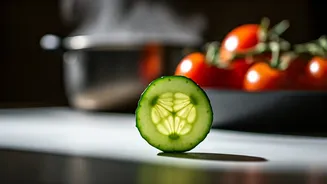
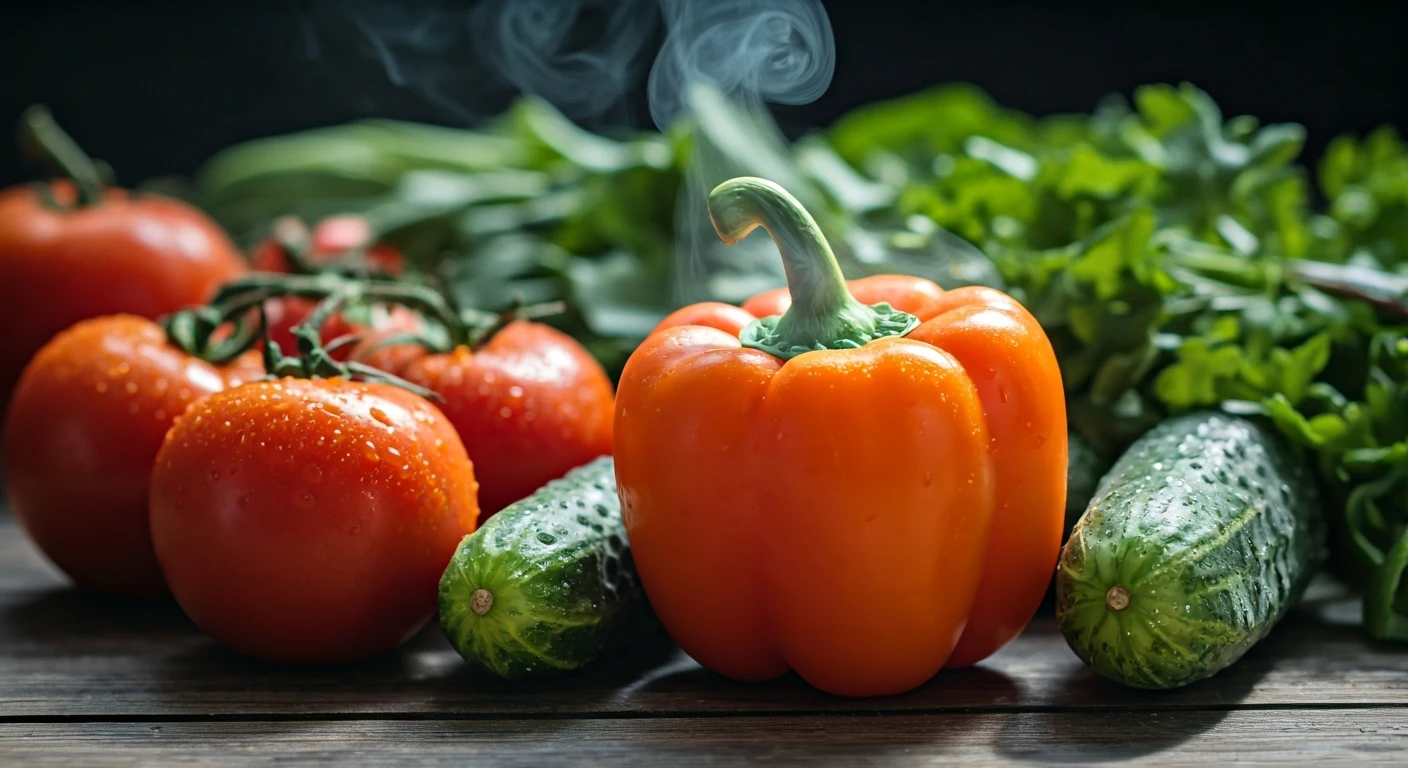
Adapting your diet with intelligent substitutions is key to staying cool and nourished during a heatwave. Instead of dense root vegetables that demand more digestive energy, prioritize water-rich options. Vegetables such as bottle gourd (lauki), ridge gourd (turai), ash gourd, cucumber, and raw banana are naturally cooling, easy to digest, and packed with essential electrolytes like potassium and magnesium, which help replenish what's lost through sweat. For those seeking iron and folate, opt for lightly steamed spinach or colocasia leaves instead of mustard greens. To replace cluster beans, which can cause digestive distress, consider green moong sprouts; they offer similar protein benefits with significantly less fermentation. It's also advisable to eat smaller, more frequent meals, as large meals generate more metabolic heat. Don't discard the water used for boiling vegetables; it's a valuable source of B vitamins and minerals. Adding a squeeze of lemon juice introduces vitamin C, which aids iron absorption even in lighter vegetable preparations. The guiding principle is that any vegetable composed of over 90% water is an excellent choice for your summer plate. True nourishment isn't about sacrifice; it's about reinventing how you prepare your food to suit the season and your body's needs.