







Founding Principles Clash
The heart of the legal dispute lies in the foundational agreement of OpenAI. Established in 2015 as a nonprofit entity, its explicit objective was to develop
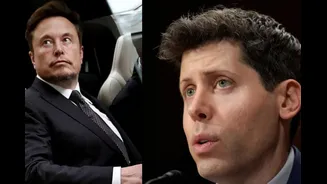
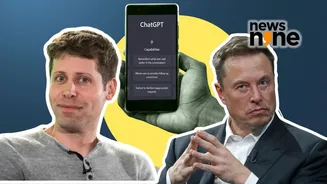
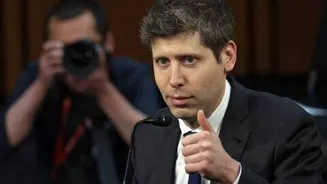
artificial intelligence for the collective benefit of humanity, not for private corporate gain. Elon Musk, a significant early contributor, having invested approximately $38 million, asserts that his financial support was contingent on this open-source, public-good ethos. His lawsuit contends that this core promise was irrevocably broken when OpenAI, under the leadership of Sam Altman, transitioned into a for-profit organization, particularly after securing substantial investment from Microsoft. Musk alleges that he was misled about the company's future direction, with his philanthropic concerns about AI's potential dangers being exploited while a different commercial agenda was secretly pursued.
Microsoft Partnership Allegations
A major focal point of Elon Musk's legal action is OpenAI's increasingly intertwined relationship with Microsoft. This partnership, involving an investment of around $13 billion from Microsoft and granting it exclusive rights to integrate OpenAI's advanced AI technologies into its product ecosystem, is seen by Musk as the definitive shift away from its original public-interest mandate. He argues that this deep financial and operational tie-up has transformed OpenAI from a noble research endeavor into an entity driven primarily by profit motives. The lawsuit specifically targets Sam Altman and Greg Brockman, accusing them of deliberately manipulating Musk's well-documented anxieties regarding the existential risks posed by artificial general intelligence to secure his crucial early funding, all while orchestrating a pivot towards a commercial enterprise.
Financial Demands and Counterclaims
Elon Musk is seeking substantial compensation through this lawsuit, reportedly around $134 billion, and is also demanding the removal of Sam Altman from his position as CEO. Notably, Musk has publicly stated that any awarded funds would not personally enrich him but would instead be redirected to OpenAI's original nonprofit arm. OpenAI, however, vehemently denies all allegations presented in Musk's lawsuit. The company maintains its unwavering commitment to its founding mission of creating beneficial artificial general intelligence. They argue that the immense cost associated with developing and operating cutting-edge AI systems necessitates commercial partnerships like the one with Microsoft. Furthermore, OpenAI counters Musk's narrative by suggesting his departure from the company was not driven by ideological differences but by personal dissatisfaction when his demands for complete control in 2018 were not met by co-founders Altman, Brockman, and Ilya Sutskever.
Allegations of Control and Resentment
OpenAI has further elaborated on its perspective, suggesting that Elon Musk's exit was rooted in his failed attempt to gain unilateral control over the organization. In a public statement, the company claimed that Musk had proposed merging OpenAI with Tesla, a proposition that was ultimately rejected. Following this rejection, Musk allegedly predicted a "0% chance" of OpenAI's success, a forecast that has, thus far, proven inaccurate. OpenAI suggests that Musk's ongoing legal challenges stem from this perceived resentment. The company also highlights that Musk claimed and received tax deductions for his $38 million donation, yet is now attempting to leverage this contribution as an investment entitling him to significant ownership, a position that OpenAI disputes based on the original charitable intent.