







A Strategic Leap
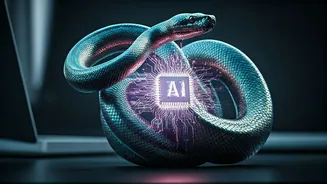
In a significant development for the AI and developer tool landscape, OpenAI has successfully acquired Astral, the company behind widely adopted Python
development utilities. This acquisition is a clear strategic maneuver designed to bolster the capabilities of OpenAI's Codex division, which has been facing increasing competition, notably from Anthropic's Claude Code. The move underscores OpenAI's intent to move beyond mere code generation, aiming to encompass the entire development lifecycle. By integrating Astral's robust set of tools, OpenAI seeks to foster deeper developer engagement and cement Codex's position as a comprehensive coding assistant, rather than just a feature. This acquisition signals a shift towards a more holistic approach to AI in software development, acknowledging that developer loyalty is built on comprehensive workflow support.
Astral's Essential Toolkit
Astral has carved out a critical niche by providing indispensable tools that have become staples for millions of Python developers. Their suite includes 'uv' for efficient dependency and environment management, 'Ruff' for lightning-fast linting and code formatting, and 'ty' for robust type checking. These tools collectively streamline significant portions of the Python development process, addressing common pain points and improving code quality. The adoption of these tools has been extraordinary, with monthly downloads soaring into the hundreds of millions, far exceeding even the founder's initial ambitious projections. This widespread integration into daily developer workflows makes Astral's technology a highly valuable asset for OpenAI, providing a direct pipeline to a massive user base and enhancing the practical utility of Codex.
Codex's Competitive Edge
The timing of this acquisition is particularly noteworthy, occurring as rivals like Anthropic aggressively pursue professional developers with offerings such as Claude Code. OpenAI's Codex, while boasting impressive metrics like 2 million weekly active users and substantial growth, needs to offer more than just code completion to retain its influence. By integrating Astral’s toolchain, OpenAI is betting on depth and completeness. The ability for an AI to not only generate code but also to manage dependencies, lint, format, and ensure type safety within a seamless developer environment is a powerful differentiator. This comprehensive approach aims to embed Codex deeply into developers' habits, making it an indispensable part of their workflow and a strong counter-argument against competitors focusing on single-feature strengths.
Commitment to Open Source
A crucial aspect of this deal is OpenAI's commitment to the open-source nature of Astral's projects. Charlie Marsh, Astral's founder and CEO, has confirmed that these foundational tools will continue to be supported and developed openly, maintaining their accessibility to the broader developer community. This assurance is vital for retaining the trust and loyalty of the millions of developers who rely on these tools daily. OpenAI's pledge to continue building publicly alongside the existing community signifies a responsible integration strategy, ensuring that the value Astral has brought to the Python ecosystem remains intact and continues to grow. This open approach is key to harnessing the full potential of the acquisition and fostering long-term developer adoption.
A Broader M&A Strategy
This acquisition of Astral is part of a deliberate and growing mergers and acquisitions strategy by OpenAI, particularly since Albert Lee joined to lead corporate development in December. It follows earlier acquisitions like Promptfoo in March and Torch in January. By strategically acquiring companies that own critical pieces of the developer infrastructure, OpenAI is building a more robust and comprehensive ecosystem around its AI offerings. Owning the toolchain, as this deal facilitates, offers a more sustainable and impactful competitive advantage than simply developing another chat interface. It allows OpenAI to influence and enhance the entire software development lifecycle, positioning Codex as a central hub for developers looking for integrated AI-powered assistance.