






Smart Summer Dressing
For your precious newborn during the summer months, prioritize comfort and breathability in their attire. Opt for lightweight, loose-fitting garments crafted
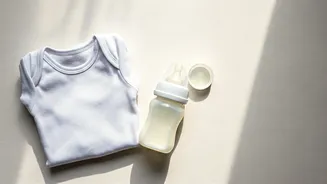
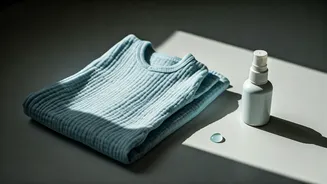
from natural fibers like cotton, which allow air to circulate freely. Excessive swaddling should be avoided to prevent overheating. To shield your baby from pesky insects, dress them in full-sleeved shirts and pants or a onesie that covers their limbs. Instead of applying repellents directly to their delicate skin, consider using mosquito nets over their crib or attaching repellent patches to their clothing for effective protection.
Creating a Cool Haven
Maintaining a comfortable room temperature is crucial for your newborn's well-being in the summer heat. If you're using air conditioning, aim for a setting of 26°C or higher. When employing a fan, ensure it's not blowing directly onto the baby. Maximizing ventilation is also important; keep windows open, but make sure they are fitted with fine mesh to prevent insects from entering. This balance will help create a pleasant and safe environment for your little one.
Hydration Essentials
For breastfed newborns, breast milk provides all the necessary hydration, so additional water is not required. The nursing mother, however, should focus on increasing her fluid intake during this season. You can gauge your baby's hydration levels by monitoring their urine output, which should ideally be at least 6 to 8 wet diapers within a 24-hour period. For infants receiving expressed or formula milk, proper storage is key. Expressed milk must be refrigerated and discarded if left at room temperature for over three hours. Formula milk should not be reused or reheated; any excess within two hours of preparation should be discarded.
Gentle Skin Care
Regular oil massages can promote your baby's sleep and support their neurological development. Follow these massages with a lukewarm bath or a gentle sponge bath. Pay close attention to skin folds, such as those in the neck, underarms, and groin, as trapped sweat can lead to rashes or fungal infections. Ensure these areas are kept dry by wiping them periodically and changing soiled diapers and clothing promptly. Maximizing diaper-free time during the day is also beneficial. While convenient, wet wipes can sometimes irritate a baby's skin; using running water or a soft, damp cotton cloth is a gentler alternative. Avoid using talcum powder routinely, as it can pose respiratory risks to infants and potentially block pores.
Recognizing Danger Signs
In the summer heat, a baby feeling warm or showing signs of a fever might indicate dehydration. Don't panic; if your baby is overdressed, remove excess clothing and offer a feed to help rehydrate, then recheck their temperature. However, if the high temperature persists, or if your baby seems lethargic, irritable, hasn't urinated in over 6 hours, or refuses to feed, it's imperative to consult your pediatrician immediately for professional advice and care.