







Initial Tariff Threat
The origin of the discussion stems from past threats of imposing tariffs. Such threats typically aim to pressure countries into trade agreements that are
more favorable. Tariffs can directly impact trade volumes, potentially raising costs for consumers in the target country and affecting economic ties. The threat itself can be a negotiating tactic, intending to extract concessions without actual implementation. The former leader's statements marked a starting point for assessing the relationship between the two nations and the possibility of reshaping their economic collaboration. International trade often becomes a complex interplay of diplomacy, economic strategy, and national interests. Various outcomes can come forth from situations like this: adjustments in trade policies, revisions in existing agreements, or, in some cases, the creation of new frameworks.
Seeking a Resolution
Following the tariff threats, the former President stated his administration's willingness to find common ground with South Korea. The shift indicated a desire to avoid escalating trade disputes. A 'working something out' indicates a willingness to negotiate and find a compromise. This approach suggests an understanding of the potential adverse effects of tariffs on both economies. Both the United States and South Korea share deep economic connections, and tariffs could harm these ties. The intent to work out an agreement underscores a move towards diplomatic resolution. It indicates an intent to use dialogue and negotiation to address any trade-related concerns. Furthermore, this also aligns with an attempt to maintain a stable economic climate. The approach highlighted a move away from confrontation and a willingness to explore mutually beneficial solutions, showing strategic adaptability.
Negotiation Tactics Unveiled
The strategy used in trade negotiations usually incorporates different aspects. Initially, the threat of tariffs frequently functions as a significant tool to create leverage. It shows the readiness to take drastic measures to ensure fairness. The use of threats also aims to prompt the other party to start negotiations. This forces a discussion about existing policies and any areas of disagreement. Subsequent steps will focus on finding common ground through dialogue. This includes discussions about the conditions and terms of trade. Both sides may propose concessions, such as lowering specific tariffs, modifying existing rules, or making commitments on market access. Successful negotiations will result in an agreement. This is because both countries will benefit, with compromises that help them to protect their interests and maintain the balance of economic relations. This strategy uses multiple steps, each one designed to achieve a favorable outcome. It balances assertiveness with a willingness to compromise.
South Korea's Position
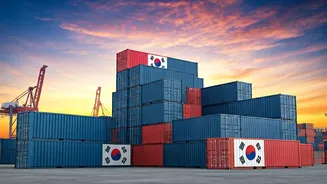
The South Korean government likely approached the threats and potential negotiations with care. It's likely that they were trying to protect their national interests while navigating the complexities of international trade. Their main concern would have been to safeguard key industries that are vulnerable to tariffs. South Korea would also have to identify its bargaining positions in advance. This includes assessing the possible consequences of the tariff threats and identifying its own economic leverage. Diplomatic engagement through negotiation could have been undertaken to minimize economic harm. This would have involved discussions, meetings, and potentially offers of concessions. The South Korean government would also consult with domestic stakeholders, including businesses and industry groups, to gather insights and refine their negotiating strategies. Their overall aim was to protect the economy's stability and maintain positive ties with the US.
Implications & Impacts
The results of any trade agreement reached would have far-reaching effects on multiple levels. Any modifications to tariffs could immediately alter the cost of goods imported and exported, directly affecting consumer prices and business profitability. An agreement may also specify rules regarding market access, investment, and intellectual property. This would impact the ease with which companies could do business in both countries. Another possible impact of an agreement could be the strengthening of political and diplomatic relations. This could lead to a deeper level of collaboration on broader global issues. An agreement that successfully reduces trade barriers can promote stronger economic ties, trade growth, and increased investment. This leads to opportunities for economic advancement. Conversely, if no agreement is reached, there would be continued uncertainty and economic stress. This could impact businesses, investment, and jobs on both sides.