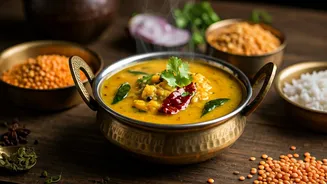

Khichuri's Special Significance
Bengali Khichuri holds a special place in the hearts of those celebrating Saraswati Puja. It's more than just a meal; it's a symbol of tradition and community.
The dish is a harmonious blend of rice, lentils, and vegetables, cooked to perfection. During Saraswati Puja, making and sharing Khichuri is a way to honor the goddess of knowledge, arts, and music. This act of preparing and consuming Khichuri creates a sense of togetherness among families and friends, reflecting the cultural significance of this beloved dish. The aroma of Khichuri cooking often fills homes and temples, creating a festive ambiance, and making Saraswati Puja celebrations all the more memorable. The meal itself is offered to the goddess, then shared among devotees, strengthening bonds and celebrating shared heritage.
Essential Ingredients Unveiled
To make authentic Bengali Khichuri, gathering the right ingredients is the first step. You'll need fragrant Gobindo Bhog rice, known for its aroma and perfect texture for this dish. Also essential are the masoor dal (red lentils) and moong dal (split yellow lentils) which contribute to the creamy consistency of Khichuri. Vegetables like potatoes, cauliflower, and peas are commonly added for flavor and texture, but can be customized based on your preference. Spices form the soul of the Khichuri - turmeric powder gives its distinct yellow color, while ginger paste adds warmth and depth. Other essential spices include cumin powder, coriander powder, and a pinch of asafoetida (hing) for added flavor. Do not forget ghee, the secret to the Khichuri's rich taste, and bay leaves and dried red chilies, for an aromatic tempering. These ingredients, when combined with care, produce the rich, flavorful Khichuri.
Preparing The Ingredients
Before you begin cooking, prepare all the ingredients. First, rinse the Gobindo Bhog rice and the masoor and moong dals thoroughly until the water runs clear. Then, soak them separately in water for about 30 minutes. This pre-soaking helps the rice and lentils cook evenly and results in a smoother texture. Next, chop the potatoes, cauliflower, and any other vegetables into bite-sized pieces. Grate or make a paste out of fresh ginger. Make sure all the spices are measured and ready. A well-organized prep process makes cooking much smoother. This ensures everything is ready when you begin the actual cooking process, and enables a seamless and enjoyable culinary experience, paving the way for perfect Khichuri.
The Khichuri Cooking Process
Now it's time to bring everything together. Start by heating ghee in a large pot or pressure cooker. Add bay leaves and dried red chilies for tempering, allowing the flavors to infuse. Add the chopped vegetables and sauté them until they are slightly golden. Next, add the ginger paste and spices, sautéing for a minute. Drain the soaked rice and lentils, and add them to the pot along with the vegetables and spices. Sauté everything together for a few minutes. Add water, ensuring there's enough to cook the rice and lentils, about 4-5 times the volume of the rice and lentils. Bring to a boil, then reduce the heat, cover the pot, and simmer until the rice and lentils are tender and the Khichuri reaches your preferred consistency. Season with salt and adjust the consistency as needed. The final Khichuri should have a slightly mushy consistency.
Adding The Special Touches
Enhance your Khichuri with some special touches. A key ingredient is ghee, added generously at the end for flavor and aroma. Consider adding a tempering of more ghee with whole spices like cumin seeds and asafoetida. Fresh coriander leaves, chopped finely, add a burst of freshness and color. Another popular variation involves adding a bit of garam masala towards the end. Some people like to include fried onions to their Khichuri. Don't be afraid to experiment to find what best suits your taste. These additions elevate the overall flavor profile of Khichuri, making it even more special. The goal is to create a dish that is both comforting and flavorful, perfect for celebrating Saraswati Puja. Adjusting the flavours is the key.
Serving And Enjoying Khichuri
Khichuri is best served hot, often with accompaniments that complement its flavors. A popular pairing includes begun bhaja (fried eggplant), aloo chokha (mashed potatoes), or a simple vegetable curry. Papad, chutney, and raita are also commonly served alongside Khichuri, to complete the meal. During Saraswati Puja, Khichuri is typically served as prasad (sacred offering) to the goddess, and then shared among family and friends. The warmth and comfort of a well-made Khichuri, eaten with loved ones, is a central part of the festive experience. The perfect Khichuri will be a mix of delicious flavors and textures, with each bite reminding you of the beauty and richness of Bengali culture. Eating Khichuri is more than just a meal; it is a shared experience of culture and tradition.