






Morning Metabolism Unveiled
Your body's metabolic processes shift significantly after an overnight fast. In the morning, your system is generally more receptive to insulin, a hormone
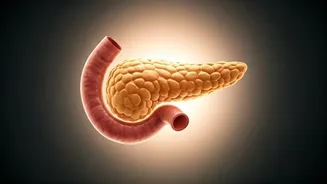
crucial for regulating blood sugar. However, this heightened sensitivity can sometimes lead to an overzealous response from the pancreas. Imagine your pancreas as being a bit too eager to process the incoming glucose from your breakfast; it might release more insulin than necessary. This overcorrection can cause a subsequent drop in blood sugar levels, a phenomenon often referred to as reactive hypoglycemia. This dip typically occurs one to three hours post-meal, differing from classical diabetic hypoglycemia as it stems from a metabolic overreach rather than an underlying diabetic condition. The interplay of early morning cortisol fluctuations can further accentuate this effect, making it a surprisingly common occurrence, particularly among individuals in India who are considered pre-diabetic.
Breakfast's Crucial Role
The foods you choose for your first meal of the day play a pivotal role in these post-breakfast blood sugar fluctuations. Breakfasts rich in refined, quickly digested carbohydrates are notorious for causing a rapid surge in glucose levels, inevitably followed by an equally sharp decline. Common Indian breakfast staples, such as those made with refined flour (maida) like white bread or cornflakes, and even sugary beverages like masala chai, can trigger this undesirable spike and crash cycle. The diabetologist emphasizes that the more 'soft, white, and processed' a breakfast item is, the greater the risk of experiencing this. Even seemingly healthy South Indian options like idli, dosa, or poha can initially elevate blood sugar swiftly. This is often compounded by a delayed insulin surge, which then leads to a subsequent drop, leaving you feeling fatigued, irritable, or experiencing tremors and hunger a couple of hours later. While these episodes are generally not dangerous, they serve as an important signal of potential metabolic inefficiencies that should not be overlooked.
Balancing Your Plate
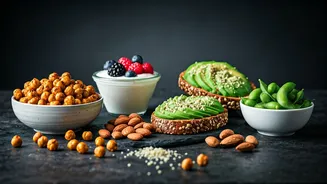
To combat post-breakfast blood sugar dips, the key lies in harmonizing your meal's components to prevent sharp glucose spikes. The goal is to create a balanced plate that includes protein, fiber, and healthy fats alongside low-glycemic index carbohydrates. This combination ensures a more gradual release of energy, preventing the rapid rise and subsequent crash. For those accustomed to Indian flavors, several delicious and effective breakfast options can be incorporated. Consider pairing eggs with a multigrain roti, or opt for a vegetable omelette. Paneer bhurji or a tofu scramble are excellent protein-rich choices. Including sprouts chaat with a handful of nuts provides fiber and healthy fats. Greek yogurt topped with seeds offers a convenient and nutritious option. For those who consume meat, eggs, chicken, or fish served with sautéed vegetables can also form a well-rounded morning meal. By consciously choosing these nutrient-dense combinations, you can effectively stabilize your blood sugar and maintain consistent energy levels throughout your morning.