





Understanding Breath's Power
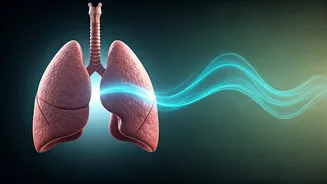
Our breath, often an unconscious act, holds profound power to manage stress and anxiety when consciously directed. Dr. Palak Dengla, a chief physiotherapist
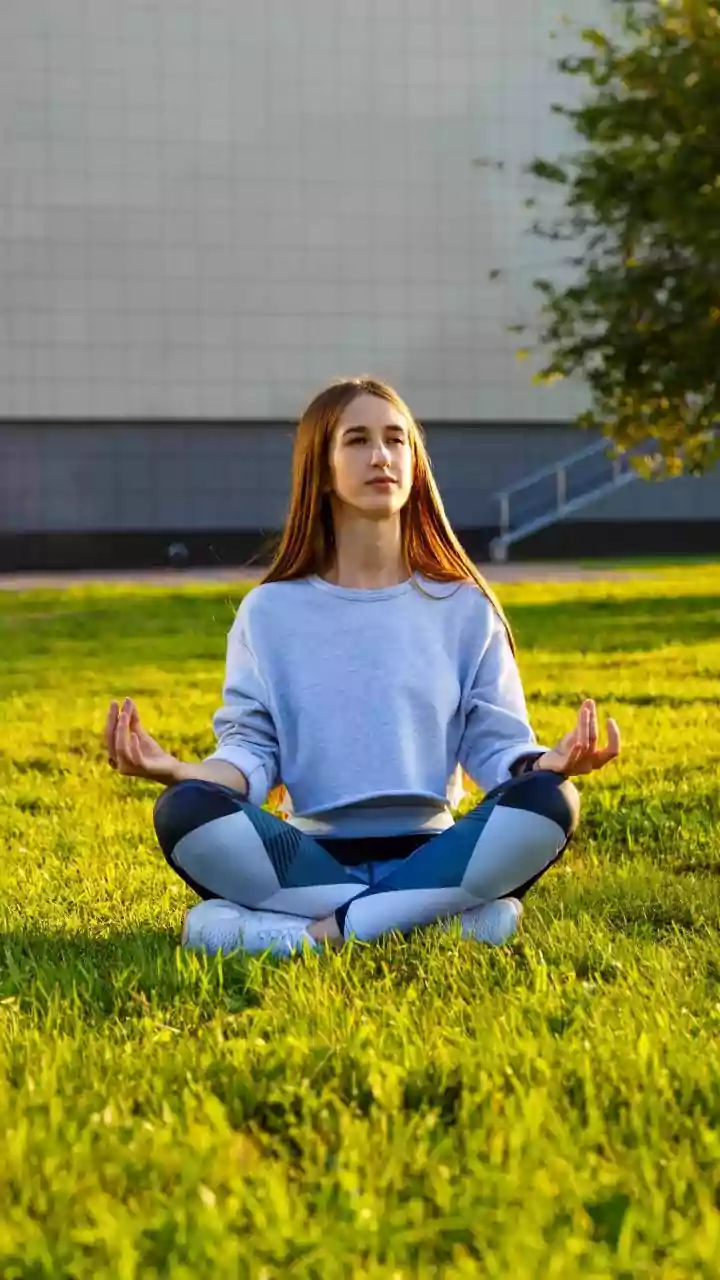
in Bengaluru, emphasizes that intentional breathing techniques can effectively shift the body from a state of heightened stress (sympathetic overdrive) to one of deep relaxation (parasympathetic calm). This shift is crucial because chronic stress elevates cortisol levels, contributing to inflammation and a host of health issues like hypertension, diabetes, and chronic pain. By engaging in slow, deliberate breathing, we can actively counteract these negative effects, improving circulation, fostering recovery, and promoting overall well-being. Practicing these techniques, even for short durations daily, yields significant long-term benefits for mental and physical health.
Diaphragmatic Breathing Basics
Diaphragmatic breathing, also known as belly breathing, is a cornerstone technique for stress reduction. It involves consciously engaging the diaphragm, the primary muscle of respiration located beneath the lungs, to facilitate deeper, more effective breaths. To practice, find a comfortable seated or lying position and place one hand on your chest and the other on your abdomen. As you inhale slowly through your nose, focus on allowing your belly to expand outward; your chest should remain relatively still. Upon exhaling through your mouth, feel your belly gently contract. This method promotes relaxation by slowing the heart rate and reducing blood pressure, effectively signaling your body to enter a calmer state. Regular practice of this fundamental technique can significantly enhance your ability to manage everyday stressors.
Mastering Box Breathing
Box breathing, or square breathing, is a simple yet highly effective technique for calming the nervous system and sharpening focus, especially in high-pressure situations. This method involves a rhythmic pattern of inhaling, holding the breath, exhaling, and holding again, each for an equal duration. Typically, the count is set to four seconds for each phase: inhale for four, hold for four, exhale for four, and hold again for four. This consistent, structured rhythm helps to regulate heart rate, reduce the physical symptoms of stress, and promote a sense of mental clarity. By creating a predictable pattern, box breathing can interrupt racing thoughts and bring a sense of control and grounding during moments of anxiety or overwhelm.
The 4-7-8 Relaxation Method
Developed by Dr. Andrew Weil, the 4-7-8 breathing technique is renowned for its potent ability to induce profound relaxation and facilitate sleep. This practice specifically targets the parasympathetic nervous system, often referred to as the body's 'rest and digest' mode, by stimulating the vagus nerve. The technique involves a specific sequence: first, exhale all the air from your lungs with a gentle 'whoosh' sound. Then, inhale quietly through your nose while mentally counting to four. Hold your breath for a count of seven, and finally, exhale completely through your mouth with another 'whoosh' sound, counting to eight. Completing this cycle four times is recommended to achieve its full calming effect, making it an excellent tool for winding down before bed or managing acute anxiety.
Alternate Nostril Breathing
Alternate nostril breathing, a classic yogic practice known as Nadi Shodhana, is designed to harmonize the left and right hemispheres of the brain, fostering a sense of balanced calm and heightened mental clarity. To perform this technique, sit with an upright spine and begin by using your right thumb to gently close your right nostril, then inhale slowly through your left nostril. Next, close your left nostril with your ring finger and hold your breath briefly. Release your thumb, and exhale slowly through your right nostril. Following this, inhale through your right nostril, then close it with your thumb. Release your ring finger and exhale through your left nostril. Completing this cycle once constitutes a round, and continuing for several rounds helps to clear energetic blockages and promote a tranquil state of mind.
Pursed-Lip Breathing Benefits
Pursed-lip breathing is a technique particularly beneficial for managing respiratory difficulties but also serves as an effective stress reliever by slowing down the breathing rate and improving oxygen exchange. To engage in this practice, consciously relax your neck and shoulder muscles. Inhale gently through your nose for approximately two seconds. Subsequently, purse your lips as if you were about to blow out a candle or whistle. Exhale slowly and steadily through these pursed lips for a duration of at least four seconds. This prolonged exhalation helps to empty the lungs more completely, reduce trapped air, and promote a sense of calm. It's a simple yet powerful method for regaining control during moments of breathlessness or anxiety.