




Breathing Basics & Benefits
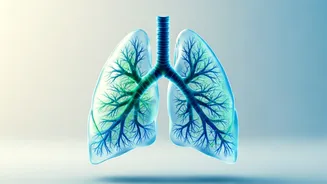
Breathing challenges, often linked to conditions like asthma, can manifest as chest tightness and shortness of breath, especially during stressful moments
or environmental shifts. Fortunately, a time-tested approach known as pranayama offers a natural pathway to improved respiratory control and relaxation. These ancient Indian breathing exercises are not just about taking in air; they are designed to systematically enhance how your body utilizes oxygen, leading to a greater sense of calm and improved lung efficiency. Regular engagement with pranayama can significantly contribute to better breathing patterns, a more relaxed state of being, and a stronger foundation for your respiratory system, making everyday breathing feel more effortless and less taxing.
Nadi Shodhana Magic
Nadi Shodhana, also known as Alternate Nostril Breathing, is a cornerstone pranayama technique aimed at harmonizing your breath and calming your mental state. The practice involves a simple yet profound sequence: gently close one nostril with your finger, inhale deeply through the open nostril, then switch and exhale through the previously closed nostril. The process is then reversed, inhaling through the second nostril and exhaling through the first. This deliberate, rhythmic alternation is believed to balance the flow of energy within the body, promoting a sense of equilibrium and tranquility, and preparing the mind and body for deeper relaxation and improved focus.
Anulom Vilom Flow
Anulom Vilom is closely related to Nadi Shodhana and focuses on improving the efficiency of airflow and the overall function of your lungs. This method involves inhaling through one nostril and then exhaling through the opposite nostril, maintaining a consistent and steady rhythm throughout the practice. The continuous, balanced exchange of air helps to ensure that both lungs are adequately utilized, promoting better oxygenation and a more robust respiratory capacity. By practicing this technique, you can cultivate a more consistent and controlled breathing pattern, which is crucial for managing breathlessness and enhancing overall respiratory health.
Kapalabhati Power
Kapalabhati, often translated as 'Cleansing Breath,' is an invigorating practice designed to clear your lungs and boost your breathing strength. The technique begins with a deep, deliberate inhalation, setting the stage for a forceful exhalation. During the exhale, you actively pull your abdominal muscles inward, expelling the air from your lungs. The subsequent inhalation occurs naturally, without conscious effort. This rhythmic expulsion and natural intake effectively cleanse the respiratory passages and strengthen the diaphragm, contributing to improved lung function and a greater sense of vitality.
Bhramari's Calm
Bhramari, or Bee Breathing, is a particularly soothing pranayama technique known for its profound ability to calm the mind and alleviate stress. The practice involves taking a deep, expansive breath in, filling your lungs completely. As you begin to exhale slowly, you gently close your ears with your fingers and produce a soft, humming sound, reminiscent of a bee's buzz. This unique sound vibration, combined with the slow exhalation, has a deeply relaxing effect on the nervous system, helping to quiet racing thoughts and promote a state of serene tranquility.
Ujjayi's Focus
Ujjayi, also recognized as 'Ocean Breath,' is a powerful technique for enhancing breath awareness and control. It involves breathing slowly and deliberately through your nose, while slightly constricting the back of your throat. This subtle constriction creates a soft, oceanic sound during both inhalation and exhalation, guiding your attention to the rhythm and depth of your breath. This focused breathing helps to regulate your respiratory rate, promote a sense of internal focus, and can be particularly beneficial for calming the mind during meditation or moments of stress.
Bhastrika's Energy
Bhastrika, or Bellows Breath, is a dynamic and energizing breathing exercise that significantly boosts vitality. This technique involves rapid and forceful inhalations and exhalations, performed in a steady, consistent rhythm. The vigorous air exchange effectively oxygenates the blood and stimulates the body, akin to the bellows used to stoke a fire. While highly energizing, it's important to practice Bhastrika with awareness and a steady pace to derive its full benefits without strain, leaving you feeling revitalized and invigorated.
Pranayama Best Practices
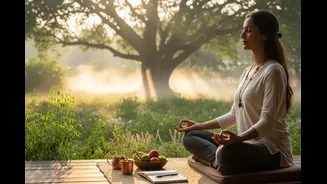
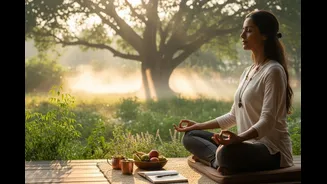
To maximize the benefits of your pranayama practice, adhering to a few key guidelines is essential. Always seek out a clean and tranquil environment, free from distractions, where you can sit comfortably with an upright spine to allow for unrestricted breathing. Begin your practice gradually, starting with shorter durations and fewer repetitions, and steadily increasing as you become more comfortable and your capacity grows. Consistent, regular practice is paramount for experiencing the full spectrum of advantages, from improved lung capacity to reduced stress. Remember to avoid forcing your breath and refrain from practicing immediately after consuming a meal. If you experience any dizziness or discomfort, it is crucial to pause and rest.