






Embracing Tactile Wellness
In our fast-paced, screen-dominated world, the search for authentic experiences and moments of stillness is more pronounced than ever. Many are seeking
novel wellness practices that offer a departure from the commonplace. While pottery has long been recognized for its calming and meditative qualities, a more profound practice is emerging: clay transformation sessions. These go beyond the typical classroom setting, inviting participants into a deeper engagement with the material. Imagine a ritualistic dance between mind, body, and earth, where the very act of shaping clay becomes a journey of self-exploration and a powerful antidote to the constant rush of modern life. This trend offers a tangible way to anchor yourself in the present, fostering a sense of calm and creativity that can be deeply restorative.
The Art of Process
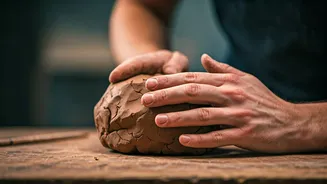
Unlike conventional pottery classes that prioritize the creation of a finished product, clay transformation sessions emphasize the journey of working with the material. The focus shifts from the final outcome to the evolving form and the participant's interaction with it. This approach encourages a deep dive into the present moment, where the physical sensations of molding, shaping, and even deconstructing the clay become the primary experience. As founder of Claytherapy, Vaani Pardal, explains, these guided sessions are designed to explore change through a physical, hands-on process. The emphasis is on what unfolds during the manipulation of the clay, making the process itself a potent metaphor for personal growth and adaptation. This mindful engagement with the earth element is surprisingly grounding, drawing individuals back into their bodies and away from digital distractions.
Mindfulness Through Material
Clay transformation inherently cultivates mindfulness, not as an abstract concept, but as a natural consequence of engaging with the material. The very nature of clay demands attention; its moisture, texture, and the pressure applied by the hands all require conscious awareness. Straying thoughts can easily disrupt the delicate balance of a form, serving as a gentle reminder to return to the task at hand. This focused interaction encourages slow, deliberate movements and a deep connection with one's breath, fostering a state of presence. As the clay transitions from a pliable mass to a more permanent structure, it mirrors the transformative processes we experience in life. The tactile nature of clay, with its constant feedback of temperature and consistency, keeps participants firmly rooted in the physical reality of the moment, making it a powerful tool for de-stressing and self-awareness.