





Plant-Based Protein
Plant-based diets are becoming increasingly popular due to ethical and health considerations. A balanced diet requires quality protein, but many people
don't get enough on a plant-based diet. A recent study published in the *Journal of American College of Cardiology* found that a diet rich in healthier plant foods significantly lowers the risk of coronary heart disease. Individuals should aim to consume at least their body weight in grams of protein daily. This article provides insights and recommendations for incorporating plant-based protein into your meals, especially for those following vegan or vegetarian diets, offering a guide to the best plant-based protein foods.
Top Protein Sources
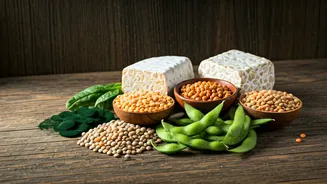
This section highlights 17 of the best plant-based protein sources. Natto, a fermented soybean product, tops the list, offering 31 grams of protein per cup and is considered a complete protein. Spirulina, though not a complete protein on its own, provides a substantial 39 grams of protein per serving and can be complemented with whole grains or nuts. Tempeh, another fermented soybean, offers 18 grams of protein per serving. Seitan, a popular meat replacement, provides approximately 15 grams of protein per 3-ounce serving. Nutritional yeast, pumpkin seeds, hemp seeds, amaranth, quinoa, black beans, green peas, lentils, chickpeas, Ezekiel bread, buckwheat, millet, and oats are also listed as excellent sources of protein, each offering unique nutritional benefits.
Plant Protein Supplements
While traditional protein supplements are often animal-based, there are several plant-based options available. Hemp protein powder, made from hemp seeds, is rich in fiber and offers potential benefits for the immune system. Pea protein, though not a complete protein, offers several advantages, including a good source of vitamin D and may help with blood sugar regulation and weight loss. Brown rice protein powder is also beneficial, supporting liver function and helping with cholesterol regulation. Additional protein sources include fonio, microbial protein, textured vegetable protein, and pea milk. These alternatives provide convenient ways to supplement protein intake.
Plant vs. Animal
Both plant and animal proteins have advantages. Animal protein is easily digestible due to its similarity to the human body's makeup, with fish, eggs, and meats offering readily processed protein. Plant-based protein, however, is sustainable and often low in calories while being high in fiber. Plant-based sources may lack a complete amino acid profile, requiring thoughtful meal planning to ensure adequate intake. Despite this, it's possible to thrive on a plant-based diet by paying attention to individual needs. For those aiming to build muscle, proper planning and focus are key to achieving goals on a plant-based diet.
Health Benefits Explored
Plant-based protein diets offer significant health advantages, including protection against cardiovascular disease. Research shows vegetarians have lower cholesterol levels, blood pressure, and rates of hypertension and type 2 diabetes. Plant-based diets are linked to a reduced risk of coronary artery disease. A 26-year study suggests that replacing red meat with other dietary proteins, such as nuts and dairy, reduces the risk of stroke. Plant-based diets, particularly those low in carbohydrates, can lower the risk of heart disease. Furthermore, these diets can benefit diabetes management, potentially lowering risk factors. High-protein diets have also been shown to help manage insulin resistance and liver inflammation. They can also aid in the prevention of kidney disease, supporting decreased severity of the disease in some cases. Consuming plant-based proteins help reduce inflammation by lessening inflammatory cytokines. It can also aid in weight loss and promote longevity, offering benefits for gut health.
Risks and Side Effects
While plant-based diets are suitable for individuals at all life stages, including athletes, certain precautions are necessary. Some vegans rely on soy-based products, which can be genetically modified and can act as hormone disruptors. For pregnant women, meat-based protein may support healthier birth weights. Vegan diets can pose risks for young children, potentially lacking in protein quality, energy, fatty acids, iron, zinc, vitamin D, iodine, calcium, and vitamin B12. Some plant-based proteins contain lectins, which can cause digestive issues. Limiting the intake of improperly prepared raw grains, legumes, and soybeans can help reduce these problems.
Recipe Inspiration
To inspire your plant-based protein journey, the article suggests recipes like Black Bean Brownies (substituting honey with maple syrup and eggs with flax or chia seeds for vegan options), Tomato Basil Brown Rice (where maple syrup can replace honey), and Fried Chickpeas (using coconut oil). The article also includes a Vegan Sushi recipe. The inclusion of these recipes is aimed to assist individuals in incorporating protein-rich, plant-based foods into their routines.




![[WATCH] 'Real Madrid, Ramadan and rest' - Mohammed Siraj how last-minute World Cup call-up changed February plan](https://g-mob.glance-cdn.com/public/fc/image/ByYT_LEmlrD0.webp)