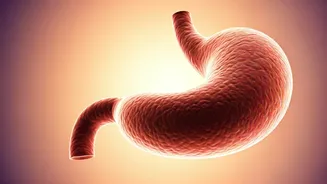







Understanding Acid Reflux
Acid reflux, often characterized by a burning sensation in the chest, occurs when stomach acid flows back into the esophagus. This happens because the lower
esophageal sphincter (LES), a muscle that acts as a valve between the esophagus and stomach, doesn't close properly. Several factors can weaken the LES, including overeating, certain foods, and even body position. When you lie down after eating, gravity no longer assists in keeping the contents of your stomach down. This makes it easier for stomach acid to rise, leading to discomfort and potentially more serious health issues over time. This is a common ailment that affects a vast population, irrespective of their dietary habits. Therefore, avoiding the trigger of lying down becomes essential.
The Simple Solution: Stand Up
The gastroenterologist's advice is incredibly simple: avoid lying down shortly after eating. Standing or sitting upright helps to leverage gravity, ensuring that the stomach's contents stay where they belong. This straightforward approach reduces the likelihood of acid reflux and minimizes bloating, making your post-meal experience more comfortable. The key isn't just about standing; it's about giving your body the right conditions to digest food effectively. This posture aids in the natural process of digestion, allowing food to move through your system efficiently, preventing the buildup of gases, and ensuring your body feels at ease after meals. This seemingly small habit change can bring significant improvements.
Why This Works Well
The human body is designed to function optimally in a vertical position. When you're standing or sitting, the stomach's contents are less likely to back up into the esophagus because gravity helps to keep everything in its place. This helps the LES do its job effectively. By staying upright after eating, you're essentially providing your digestive system with the necessary support to perform its task without causing unnecessary strain or discomfort. This also reduces pressure on the abdomen, which is a major contributor to bloating. Hence, maintaining an upright posture after meals is like providing your body with a natural, gentle aid that fosters healthy digestion and minimizes the chances of unpleasant symptoms.
Beyond The Basics
While the tip from the gastroenterologist is a solid starting point, it's essential to consider other factors that influence digestive health. The types of food you eat, the quantity, and your eating habits also play a vital role. Eating slowly, avoiding overeating, and steering clear of trigger foods known to cause acid reflux, such as spicy foods, caffeine, and fatty meals, can further boost your digestive health. Combining these practices with the advice to stay upright after eating creates a comprehensive approach. It fosters a healthy environment for your digestive system, leading to overall well-being. It is about implementing a combination of sensible habits to ensure you feel your best after meals, helping you enjoy your food without any accompanying discomfort.
Making It a Habit
Incorporating this advice into your routine is relatively easy. Start by consciously making an effort to stay upright for at least 2-3 hours after finishing a meal. This could mean taking a short walk, doing some light chores, or simply sitting in a chair. The goal is to avoid lying down, especially after consuming larger meals or foods that commonly trigger reflux. Over time, this becomes a habit, and your body adapts, improving digestion and reducing the likelihood of digestive issues. Be patient and consistent, and you'll find that making this simple adjustment can improve your overall comfort. You may discover that your energy levels are better, and you feel less sluggish. Therefore, start small, and gradually increase the time, which can ultimately help you manage and even prevent digestive issues.