





The Nighttime Agony
Experiencing heartburn, a sour taste, or persistent coughing after settling in for the night can be more than just a passing discomfort; for many, it becomes
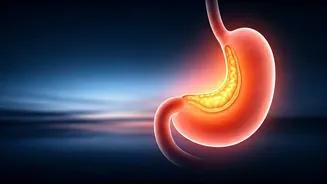
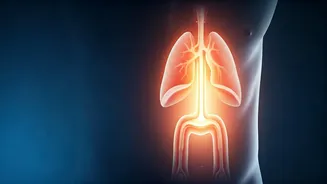
a recurring disruption to their sleep. This nocturnal aggravation of acid reflux, often referred to as GERD, is frequently exacerbated by the simple act of lying down. When you're horizontal, gravity, which normally aids in keeping stomach acid confined to the stomach, is no longer a factor. This allows stomach acid to more easily ascend into the esophagus, causing irritation and unpleasant symptoms throughout the night. Understanding the physiological reasons behind this nightly flare-up is the first step toward finding effective relief and reclaiming restful sleep.
Eating Habits & Sleep
A key factor contributing to the intensification of acid reflux during the night is the timing of your meals. Medical professionals highlight that consuming food too close to bedtime is strongly linked to a heightened risk of GERD symptoms. When you lie down soon after eating, the stomach contents have a greater opportunity to travel upwards into the esophagus, and the acid takes longer to clear. This often leads to a worsening of nighttime reflux and can trigger or exacerbate coughing fits. This often-overlooked habit can create a cycle of persistent nocturnal discomfort that significantly impacts your quality of life and sleep.
Positional & Dietary Adjustments
Fortunately, simple modifications to your sleeping posture and dietary choices can yield significant improvements in managing nighttime acid reflux. Elevating the head of your bed is a recommended strategy, as it leverages gravity to reduce the amount of acid that reaches the esophagus overnight, leading to fewer awakenings and less reflux-induced coughing. Dietary habits also play a crucial role; while fried and spicy foods are known irritants, incorporating more plant-based options into your diet is associated with a lower incidence of GERD. These gentle dietary shifts, combined with mindful eating practices, can be very effective.
Understanding the 'Why'
The exacerbation of acid reflux at night is rooted in several natural bodily processes that are naturally suppressed during sleep. When you are lying flat, gravity's assistance in retaining stomach acid within the stomach is diminished, making upward reflux more probable. Furthermore, saliva production, which is vital for neutralizing acid in the esophagus, decreases during sleep. Swallowing frequency also drops, leading to slower clearance of any acid that does make its way into the esophagus. If a heavy or late meal has left your stomach full, this can also increase pressure on the lower esophageal sphincter, aggravating reflux symptoms.
Identifying Food Triggers
Recognizing the specific foods that aggravate your nighttime GERD is a personalized journey, and the most effective approach involves mindful observation. Maintaining a simple food and symptom diary for a few weeks can illuminate patterns between your diet and your reflux episodes. While common culprits include spicy foods, fried items, chocolate, caffeine, citrus, tomatoes, mint, and alcohol, individual sensitivities vary significantly. Complete avoidance isn't always necessary; often, reducing portion sizes, steering clear of trigger foods close to bedtime, or limiting their frequency can effectively manage symptoms without imposing overly restrictive dietary changes.
Choosing the Right Treatment
When lifestyle adjustments aren't enough, various treatment options can help manage nighttime reflux. Alginates are beneficial for mild to moderate cases as they form a physical barrier in the esophagus, preventing acid from rising, particularly useful after meals or before bed. For more frequent nighttime symptoms, H2 blockers, such as famotidine, are effective in reducing stomach acid production. If symptoms persist or if you experience concerning signs like difficulty swallowing, a chronic cough, or unexplained weight loss, it is crucial to consult a gastroenterologist for further evaluation and potentially stronger acid suppression therapies.