



Understanding the Price Surge
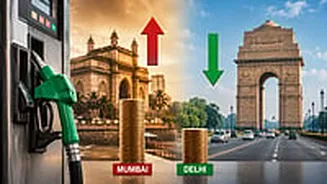
Recent developments have seen a notable increase in fuel prices across India, with petrol and diesel seeing a rise of approximately ₹3 per litre on May
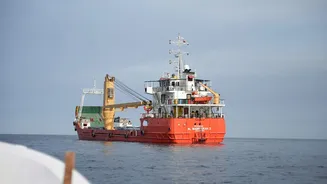
15th. In Delhi, this change brought petrol to ₹97.77 per litre and diesel to ₹99.67 per litre. This situation is largely attributed to escalating global crude oil prices, influenced by geopolitical tensions in West Asia, particularly around the Strait of Hormuz, a critical oil shipping route. Given that India imports nearly 89% of its crude oil, these international events have a direct and significant impact on domestic fuel costs, affecting everyone from daily commuters to those planning extended road trips.
Impact on Travel Expenses
The increase in fuel prices has a ripple effect on all aspects of travel for Indian explorers. Whether you're embarking on a summer road adventure, a motorcycle expedition, or simply navigating your daily commute, higher fuel expenses translate directly into a more costly experience. This impact extends beyond just filling up your vehicle; it influences the cost of self-drive rentals, cab services, and even airfares, as airlines grapple with increased operational expenses due to soaring jet fuel costs, potentially leading to reduced flight schedules. Experts caution that if the current Middle Eastern situation persists, further fuel price hikes could be on the horizon.
Strategic Travel Alternatives
In light of the escalating fuel costs, adapting your travel strategies is paramount for Indian travellers. For longer distances, opting for train travel emerges as a highly economical choice, with Indian Railways remaining one of the most budget-friendly transportation networks in the country. For local commutes within cities, leveraging metro services offers a significant cost-saving alternative. Furthermore, the increasing availability and adoption of electric vehicles (EVs) present a forward-thinking solution to combat rising petrol and diesel expenditures, offering a cleaner and often cheaper way to travel.
Shorter Trips & Group Travel
Re-evaluating the scope of your road trips can lead to substantial savings. Instead of planning extensive cross-country journeys, consider exploring destinations within a more manageable radius of 200 to 300 kilometres. These shorter drives naturally consume less fuel, reducing your overall expenditure. Another highly effective method to cut down on fuel costs is to travel in groups or practice carpooling. By sharing the journey and the associated fuel expenses with others, the per-person cost of travel is significantly diminished, making each trip more affordable for everyone involved.
Smart Navigation & Driving
Maximizing your fuel efficiency also involves intelligent route planning and mindful driving habits. Utilizing navigation apps effectively can play a crucial role in minimizing fuel wastage caused by traffic congestion. By opting for routes that avoid heavily trafficked areas, you can ensure a smoother and more fuel-efficient journey. Beyond navigation, adopting smarter driving techniques, such as maintaining a steady speed, avoiding abrupt acceleration and braking, and ensuring your vehicle is properly maintained, can collectively contribute to reducing your overall fuel consumption and saving money on the road.