





Authenticity Meets Accessibility
The core challenge in creating "The Diaspora Spice Co. Cookbook" was making authentic Indian recipes practical for cooks outside of India. Unlike traditional
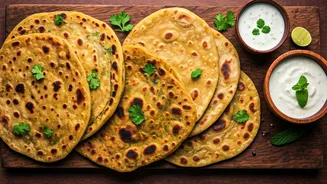
farm kitchens where measurements are often intuitive and based on habit, the co-authors, Sana Javeri Kadri and Asha Loupy, meticulously worked to translate these culinary traditions into quantifiable steps. This involved extensive retesting, often five to six times, both in their own kitchens and with a large group of volunteer home cooks. The goal was to capture the genuine flavors while adapting cooking methods to common Western kitchen equipment, such as ovens and Instant Pots, which are not prevalent in the rural Indian kitchens where the recipes originated. This rigorous process ensured that the essence of the dishes remained intact, even when the preparation methods needed significant adjustment for a global audience.
Smart Ingredient Swaps
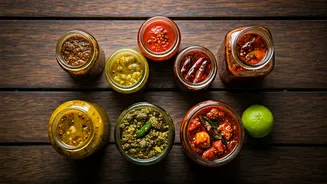
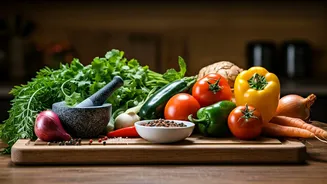
Adapting Indian recipes for international kitchens necessitated thoughtful ingredient substitutions without compromising authenticity. While some ingredients, like peanut butter for peanut chutney, proved too drastic a shortcut, leading to a loss of texture, other swaps were highly successful. For instance, fish sauce was identified as an excellent substitute for dried fish (Maldives fish or dried prawns) to impart a similar umami depth, especially in Sri Lankan and Maharashtrian dishes. Similarly, carrot tops were found to be a viable alternative to the fresh herb gotu kola, commonly used in Sri Lanka but difficult to source fresh abroad. The research highlighted that understanding the flavor profile is key, opening up infinite possibilities for substitutions, with even common ingredients like parsley working well in some instances, demonstrating that informed adaptation is possible.
Navigating Spice Levels
A significant aspect of making Indian cuisine accessible to a wider audience is addressing the common misconception that all Indian food is inherently spicy. The cookbook acknowledges this by differentiating between 'spiced' and 'spicy,' the former referring to the complexity of flavors derived from a variety of spices, and the latter to heat levels. Having traveled extensively and gathered recipes from diverse regions like Sri Lanka, Andhra, and Kutch, the authors found a natural spectrum of spice. Instead of altering recipes to reduce heat, a dedicated chapter, "Some Like It Mild," was created to highlight the inherently less spicy options that already exist within Indian culinary traditions. This approach respects the original recipes while providing a comfortable entry point for those with lower spice tolerance.
California-ish Adaptations
The influence of California living, with its emphasis on fresh produce and salads, subtly shaped the cookbook's presentation. The co-authors, accustomed to lighter meals, incorporated a noticeable focus on fresh, crunchy greens. This "California-ish" adaptation, while reflecting their personal eating habits, sometimes contrasted with the meal structures preferred by their team in Mumbai, who favored heartier, hot meals including proteins like chicken and fish. This highlights how the book's presentation and menu planning might differ based on regional culinary norms and expectations, with Americans often more amenable to cold lunches than many in India. The book, therefore, encourages cooks to adapt the meal composition to their local context.
Surprising Culinary Discoveries
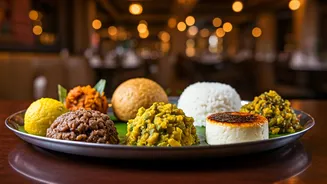
The research for the cookbook unearthed a wealth of regional Indian dishes that often go unrecognized due to the dominance of North Indian restaurant cuisine as the default representation of Indian food. Kadri herself, despite her background, encountered numerous unexpected flavors. Among these were a unique pumpkin, walnut, and tahini chutney from Kashmir, and a distinctive Manipuri cabbage salad from the Ima Keithel women's market in Imphal. A particularly surprising discovery was a watercress salad from Manipur, an ingredient not typically associated with South Asian cuisine. These findings underscore the vast, often undocumented, regional diversity within India and the importance of showcasing these less-celebrated culinary traditions.
Demystifying Techniques
The extensive cross-testing process, involving approximately 1,500 home cooks, was crucial in refining the cookbook's accessibility. This large-scale testing revealed areas where instructions needed greater clarity, prompting the authors to simplify language and explain even basic techniques. For instance, questions arose about seemingly simple culinary terms like "fold in the cream," necessitating more detailed explanations. Similarly, practical tips, such as how to remove seeds from green chilies to reduce spiciness, were included, acknowledging that not all readers possess prior knowledge of such methods. The five-year development period, encompassing research, testing, sourcing, and editing, underscores the commitment to creating a truly comprehensive and helpful kitchen resource.