





The Perilous Thirst Trap
In the scorching heat of Delhi, a 25-year-old marketing executive diligently tried to stay hydrated, consuming nearly five liters of plain water throughout
his busy day navigating the city on his motorcycle. His routine, however, excluded meals, meaning he skipped both breakfast and lunch due to back-to-back meetings. This meant his intake consisted solely of water, devoid of any fruits, electrolyte drinks, or oral rehydration solutions. By evening, he started experiencing alarming symptoms: a peculiar light-headedness and nausea, which he initially attributed to exhaustion. As the day wore on, his speech began to slur, and he became noticeably drowsy and disoriented. Concerned colleagues swiftly took him to the emergency department, where blood tests revealed a critical sodium level of 124 mEq/L, significantly below the normal range of 135-145 mEq/L. The diagnosis was acute hyponatremia, a severe drop in blood sodium concentration, exacerbated by excessive fluid intake and substantial salt loss through sweat.
Sweat's Hidden Cost
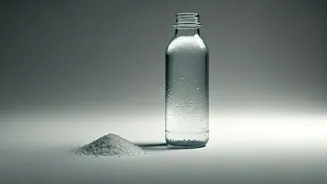
The body's natural cooling mechanism, sweating, is essential for regulating temperature, especially in extreme heat. However, sweat is more than just water; it contains vital electrolytes like sodium, chloride, and potassium. These charged minerals are critical for numerous bodily functions, including nerve signaling, muscle contractions, maintaining fluid balance, and ensuring a regular heart rhythm. Under normal circumstances, the loss of these electrolytes is minimal and easily replenished through regular food and fluid consumption. Yet, prolonged exposure to intense heat, particularly when combined with physical exertion, can lead to substantial electrolyte depletion. The common advice to 'drink a lot of water' during Indian summers, while well-intentioned, is insufficient. Water alone cannot replace lost salts. Consuming excessive plain water without adequate sodium intake can dilute the blood's sodium concentration, leading to dangerous imbalances, as tragically illustrated by the young executive's case.
The Danger of Low Sodium
Sodium plays a pivotal role in regulating the movement of water in and out of our cells, particularly affecting brain cells. When sodium levels in the blood drop too low, water can flood into cells, causing them to swell. This swelling is especially perilous in the brain, which is confined within the skull and has no room for expansion. The initial symptoms of such a condition can be misleadingly mild, including headaches, fatigue, dizziness, nausea, and confusion, often mistaken for simple heat exhaustion or overwork. As the sodium levels continue to plummet, the consequences can become severe. Drowsiness can escalate to altered consciousness, and seizures may occur. In critical instances, patients might fall into a coma. The danger is amplified during Indian summers because these conditions frequently affect young, healthy individuals who tend to underestimate their symptoms. Outdoor workers, delivery personnel, field executives, traffic police, and construction workers are among the most vulnerable populations facing these risks.
Beyond Hyponatremia: Other Imbalances
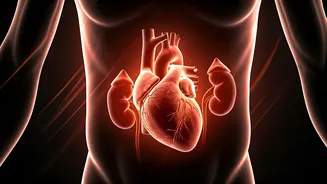
The extreme heat in India presents a dual challenge: both insufficient and excessive intake of fluids can be hazardous. While hyponatremia arises from too much plain water diluting sodium, the opposite scenario, hypernatremia, occurs when water loss surpasses replacement. This typically happens when individuals sweat profusely in intense heat but fail to drink enough fluids. As the body loses water, the concentration of sodium in the blood increases, causing cells, including those in the brain, to shrink. Symptoms often begin with intense thirst and a dry mouth, progressing to irritability, restlessness, muscle twitching, confusion, and even seizures. Severe hypernatremia can lead to irreversible neurological damage. Furthermore, potassium, another vital electrolyte often overlooked, is also crucial. Heavy sweating coupled with poor nutrition can lead to hypokalemia (low potassium), causing muscle weakness, cramps, fatigue, and heart rhythm disturbances. Conversely, severe dehydration can impair kidney function, leading to hyperkalemia (high potassium), a potentially fatal condition that can trigger cardiac arrest. Maintaining the delicate balance of these electrolytes is paramount.
Smarter Hydration Strategies
The critical lesson learned from the marketing executive's harrowing experience is that effective hydration involves more than just drinking plain water. The body needs replenishment of both fluids and essential salts. Incorporating oral rehydration solutions, traditional drinks like buttermilk with a pinch of salt, coconut water, or lemon water mixed with salt and sugar can effectively restore what is lost through sweat. Equally important is consistent food intake, which provides a steady supply of necessary nutrients and electrolytes. Furthermore, adjusting behavior to mitigate heat exposure is vital. Minimizing outdoor activities during the hottest afternoon hours, taking frequent breaks in shaded areas, and being attuned to early warning symptoms can prevent minor issues from escalating into medical emergencies. The modern understanding of heatstroke moves beyond dramatic collapses to recognize the subtle yet dangerous cellular-level electrolyte shifts that can begin with mild symptoms but lead to severe health crises if ignored. Timely medical intervention, as in the case of the 25-year-old executive, is crucial for recovery.