





A New Era in Bio-Separation
The production of cell and gene therapies (CGTs) often faces significant hurdles, particularly within the bio-separation phase, which is crucial for isolating
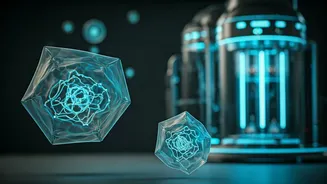
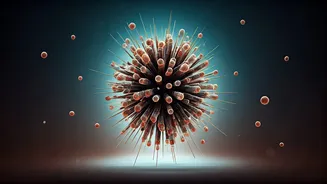
therapeutic cells. Addressing this bottleneck, a novel technology has emerged, featuring the creation of the first artificial cell designed to mimic biological processes. This innovative biomimetic lipid particle-based system, referred to as DACS, is engineered to possess characteristics akin to living cells. These include matching the size and deformability of actual cells, alongside the presence of a membrane and the ability to present antigens. This development aims to provide a more efficient and cost-effective solution for CGT manufacturing, potentially accelerating the availability of these advanced treatments to patients.
Seamless Integration and Cost Reduction
This new DACS technology is designed with a 'plug-and-play' philosophy, allowing for effortless integration into existing cell culture hardware. This flexibility means manufacturers do not need to overhaul their current infrastructure, thereby avoiding rigid production models and significantly reducing associated costs. The system is particularly adept at simplifying the bio-separation process through a flotation-based method. This approach leverages gravity to separate the desired therapeutic cells from the growth medium, substantially cutting down on manual labor and the complexity of the procedure. By recreating an environment that closely mirrors natural biological interactions, DACS facilitates the controlled activation of therapeutic cells during this vital separation stage, potentially enhancing their efficacy.
Overcoming Magnetic Bead Limitations
Traditional bio-separation methods frequently rely on magnetic beads. These particles are designed to attach to specific therapeutic cells, allowing for their separation from a mixture using external magnets. However, this method is not without its drawbacks. Challenges include issues with scalability, the potential for the magnetic beads to negatively impact cell viability, and the difficulty in completely removing these beads from the final therapeutic product. Furthermore, magnetic bead separation often necessitates specialized equipment that can be challenging to integrate seamlessly with bioreactors. The DACS technology offers a compelling alternative by eliminating the need for such specialized instruments and reducing the number of steps involved, thereby sidestepping the inherent limitations of magnetic bead-based approaches and offering greater manufacturing agility.
Enhancing Therapeutic Efficacy
Beyond streamlining the manufacturing process, DACS also plays a role in enhancing the overall functionality of the therapeutic cell product. By closely mimicking the cell-to-cell interactions that occur naturally within the human body, this artificial cell technology can potentially bolster the therapeutic cells' capabilities. This enhancement could translate into a reduced risk of adverse effects for patients receiving these treatments. The technology is currently undergoing beta testing, with projections indicating that two therapies incorporating DACS into their manufacturing workflow could reach clinical application within the next two years. This advancement holds the promise of not only making CGT production more accessible but also improving the safety and effectiveness of these groundbreaking therapies.