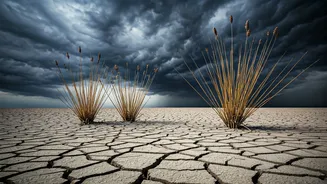








The Looming Threat
The reality of climate change extends beyond melting glaciers and rising sea levels; it's also a significant threat to our mental health. The increasing
frequency and intensity of extreme weather events, such as heatwaves, floods, and droughts, directly contribute to heightened stress, anxiety, and trauma. Furthermore, the constant barrage of information about environmental degradation and the uncertain future can lead to 'eco-anxiety' and feelings of helplessness. The cumulative effect of these stressors creates a breeding ground for mental health issues, impacting individuals and communities alike. The situation demands urgent attention, as the current trajectories suggest a worsening crisis. The interplay between climate change and mental health is not just a scientific concern; it's a rapidly unfolding human crisis with potentially devastating consequences.
Direct Impacts of Heat
One of the most immediate and tangible impacts of climate change on mental health is the effect of rising temperatures. Heatwaves, which are becoming more frequent and severe, can exacerbate existing mental health conditions. Research indicates that higher temperatures correlate with increased rates of suicide, aggression, and violent behavior. The physiological stress caused by heat can disrupt sleep patterns and cognitive function, making individuals more susceptible to irritability, emotional dysregulation, and impaired decision-making. Moreover, heat can trigger the onset or worsening of conditions like depression and anxiety. For vulnerable populations, such as the elderly, those with pre-existing mental health issues, and individuals living in poverty with limited access to cooling resources, the risk is significantly higher. The rising temperatures serve as a potent reminder of the tangible health consequences of climate change.
Climate-Induced Disasters' Toll
The link between climate change and mental health extends far beyond the effects of heat. Extreme weather events, intensified by climate change, are a major source of psychological distress. Natural disasters such as floods, cyclones, and droughts can lead to trauma, post-traumatic stress disorder (PTSD), and other mental health conditions. The destruction of homes, livelihoods, and communities leads to displacement, grief, and loss, contributing to significant psychological strain. The experience of witnessing or surviving these events often leaves individuals with lasting emotional scars. The recovery process can be long and arduous, requiring not only physical reconstruction but also comprehensive mental health support. The vulnerability created by climate-related disasters underscores the urgent need for robust disaster preparedness, mental health services, and community resilience programs.
Eco-Anxiety & Beyond
A less recognized but increasingly prevalent mental health challenge associated with climate change is eco-anxiety. This term refers to the chronic worry and fear about the future of the planet and the potential environmental collapse. It can manifest as feelings of helplessness, hopelessness, and despair, as well as physical symptoms such as insomnia and panic attacks. Eco-anxiety is often compounded by the constant flow of information about environmental degradation, creating a sense of being overwhelmed. Furthermore, climate change is indirectly affecting mental health through food insecurity, displacement, and social unrest. These factors can create an environment ripe for psychological distress. Addressing eco-anxiety requires fostering a sense of agency, promoting sustainable practices, and providing mental health resources specifically tailored to environmental concerns. This is a complex phenomenon demanding multifaceted responses.
Impacts on Children
Children are particularly vulnerable to the mental health impacts of climate change. The challenges posed by environmental stressors can significantly influence their development and well-being. Studies project that the combination of heat and humidity due to climate change could increase stunting in South Asia's children by 2050. This creates a challenging environment for young individuals. Children exposed to climate-related disasters or chronic environmental stress may experience PTSD, anxiety, and depression. Furthermore, the uncertainty about the future and the awareness of environmental problems can contribute to eco-anxiety in children. Addressing these issues requires comprehensive support systems that include mental health services, educational programs, and community involvement. Protecting the mental health of children is essential to building a resilient and sustainable future.
Mental Health Solutions
Addressing the mental health crisis associated with climate change requires a multi-pronged approach. Firstly, it necessitates mitigating climate change through policies that reduce greenhouse gas emissions and promote sustainable practices. Secondly, comprehensive mental health services must be readily accessible to all individuals, with a focus on climate-specific mental health interventions. These should include cognitive-behavioral therapy, mindfulness techniques, and support groups that address eco-anxiety and trauma. Thirdly, public awareness campaigns can play a crucial role in raising awareness about the connection between climate change and mental health, reducing stigma, and encouraging people to seek help when needed. Creating resilient communities and promoting social cohesion are also essential, as social support can buffer against the adverse effects of environmental stressors. Proactive and coordinated efforts are indispensable to reduce the burden of mental health impacts from climate change.