

Ditch Mass-Produced Clutter
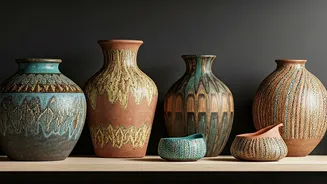
In today's design landscape, there's a growing appreciation for items that carry personal meaning and a story, rather than generic, mass-produced decor.
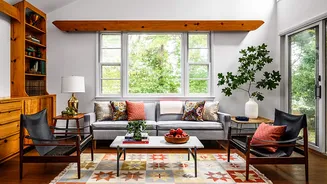
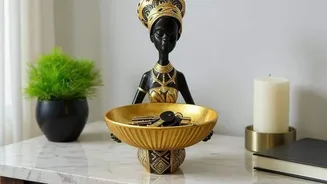
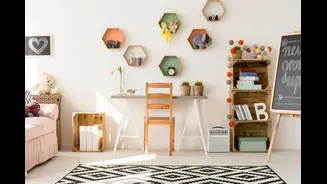
Designers emphasize moving away from disposable pieces that lack soul and longevity. Instead, the focus should be on curating a collection of accents that genuinely resonate with you and will continue to do so over time. The recommendation is to invest in a few high-quality, timeless items and thoughtfully combine them with more accessible finds from local artisans, antique markets, or even thrift stores. This approach fosters a layered, personalized, and sophisticated aesthetic that reflects individuality and a discerning eye for design, ensuring your home feels unique and thoughtfully assembled rather than generic.
Say Goodbye to Shag Carpets
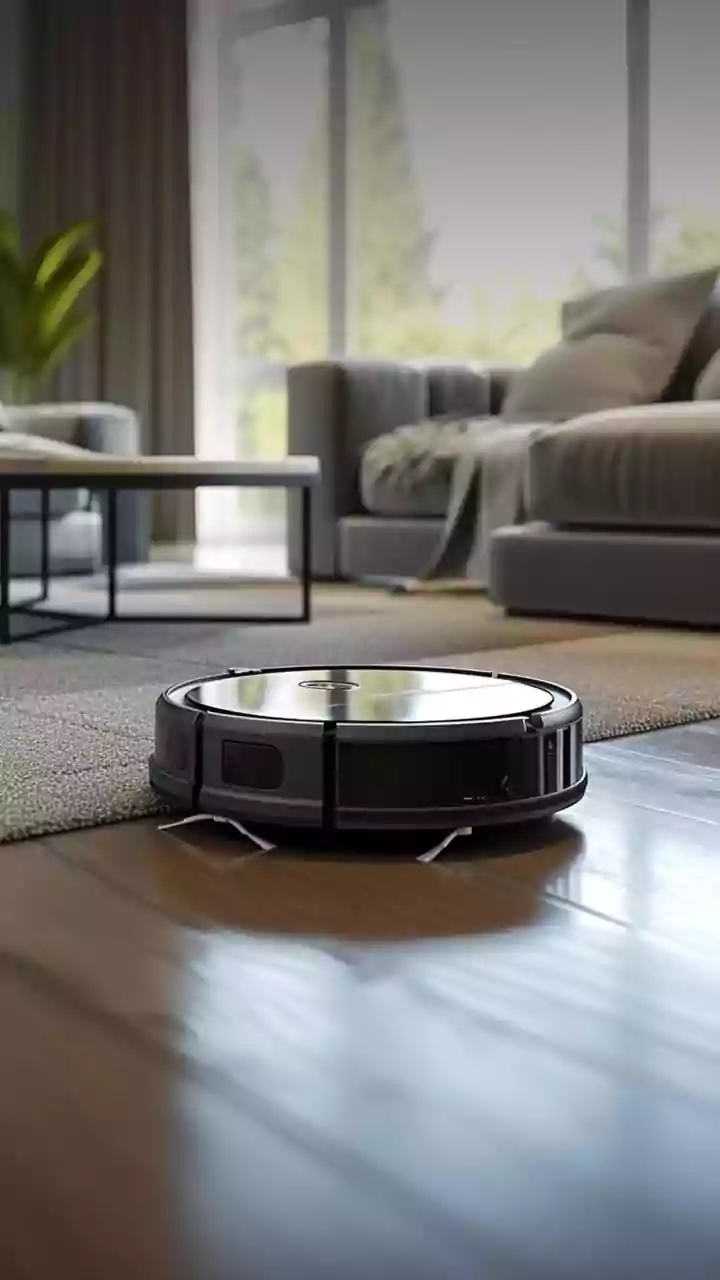
Remember the plush, deep pile of shag rugs from earlier decades? While once a statement piece, these floor coverings are now considered outdated by many interior design professionals. Beyond their dated appearance, they are notoriously difficult to keep clean, becoming a haven for dust bunnies, crumbs, and lost small items. For a more current and practical floor solution, designers suggest opting for low-pile rugs crafted from natural fibers, often with a handwoven texture. These modern alternatives not only align with contemporary interior styles but are also significantly easier to maintain with regular vacuuming, offering both aesthetic appeal and functional ease.
Retire Sputnik Chandeliers
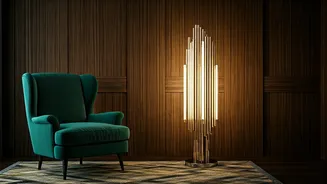
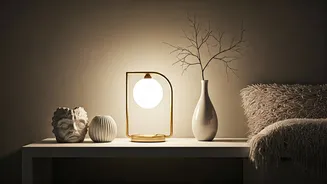
The Sputnik chandelier, often paired with Edison bulbs for a midcentury modern vibe, enjoyed significant popularity in homes not long ago. However, designers are now suggesting a move away from these fixtures. A primary concern is their functional aspect, as the distinctive yellow hue emitted by Edison bulbs can create a less-than-ideal, moody ambiance. To achieve a more inviting and modern lighting scheme, experts recommend alternatives like fixtures with milk-colored frosted glass or those incorporating natural materials such as alabaster or onyx. These options provide a softer, warmer illumination, enhancing the overall atmosphere of a room and making it more welcoming.
Barn Doors Overstayed
Barn doors, once a sought-after design element for various rooms like kitchens, bedrooms, and basements, are now being advised against by interior design professionals. The prevailing sentiment is that this trend has run its course and is no longer considered a sophisticated choice unless specific functional needs, like accommodating livestock, are present. For a more timeless and seamless integration into home design, designers recommend revisiting traditional hinged doors or opting for space-saving pocket doors, which offer a more enduring and practical solution for interior doorways without sacrificing aesthetic appeal.
Move Beyond All White
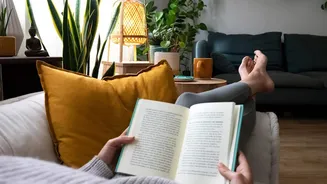
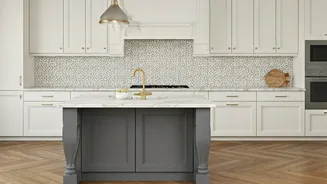
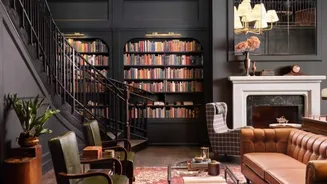
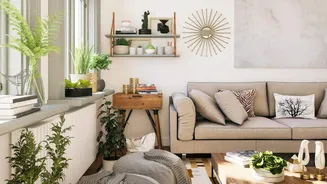
The exclusive use of white and gray color palettes in home decor is increasingly being associated with earlier 21st-century design trends and can often result in spaces feeling sterile and uninviting. Interior designers are recommending a departure from purely monochromatic schemes, suggesting that such uniformity can make a room appear cold. Instead, the trend is shifting towards warmer, richer neutral tones. Think earthy browns and lush greens, which are now favored over stark whites and grays. Embracing these warmer hues can significantly enhance the coziness and character of a living space, creating a more comfortable and welcoming environment.
Window Valences Are Out
Window valences, whether standalone or part of a curtain set, are being identified by designers as a decor element that harkens back to previous decades. This style, reminiscent of homes from the 1970s and 80s, is considered by many to be outdated due to its uniform and somewhat formal appearance. In line with contemporary interior design principles, simpler and more streamlined window treatments are preferred. A prime example of a current and elegant alternative is the Roman shade, which offers a clean, sophisticated look that enhances natural light and complements modern interior aesthetics without the dated feel of traditional valences.