





Satpura's Wildlife Spectacle
As the dry season peaks in Satpura Tiger Reserve, wildlife congregates around dwindling water sources, making June an prime time for sightings before the monsoon
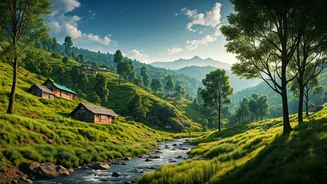
season commences. This reserve offers a more intimate encounter with nature, presenting a raw and vibrant landscape. Beyond traditional jeep safaris, Satpura is distinguished for its adventurous walking safaris and tranquil boat or canoe excursions along the Denwa River. These diverse activities provide multiple perspectives for observing fauna, allowing for a dynamic and unpredictable exploration. You can track animal movements on foot, scan riverbanks for basking crocodiles, or witness herds gathering at watering holes in the late afternoon, creating an unforgettable wilderness experience.
Binsar's Himalayan Serenity
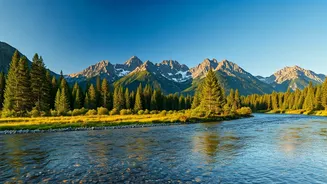
Binsar, Uttarakhand, welcomes June just before the full monsoon arrives. The forest trails remain accessible, and clear mornings still offer breathtaking panoramas of the Himalayas. While the plains endure heat, the oak and rhododendron forests of Kumaon begin to feel a refreshing shift in the air. This compact wildlife sanctuary is ideal for exploration on foot, with trails leading to viewpoints like Zero Point, where, weather permitting, majestic peaks such as Nanda Devi and Trishul are visible. Birdwatching is particularly rewarding during this period, with early monsoon conditions boosting avian activity without the travel disruptions of heavy rains. Accommodations often consist of charming forest lodges and homestays, perfect for embracing early starts, leisurely walks, and peaceful afternoons.
Kalimpong's Misty Charm
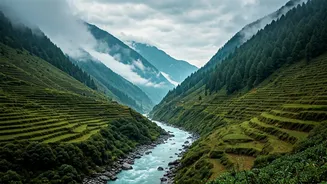
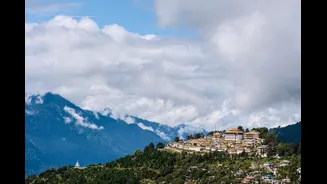
In June, Kalimpong, West Bengal, truly shines as the first monsoon clouds begin to grace the eastern Himalayas. The rain arrives gently, bringing rolling mists and an intensified verdancy to the landscape. Compared to its more bustling neighbour Darjeeling, Kalimpong offers a tranquil and unhurried atmosphere. Renowned for its horticultural nurseries, Kalimpong's orchids, ferns, and flowering plants flourish in the cool, humid air of early monsoon. Visitors can enjoy walks through hillside gardens, explore historic missionary schools and monasteries, and soak in the unique character of heritage bungalows. Quaint cafés and homestays, many housed in colonial-era residences, provide comfortable bases for daily explorations, with short excursions leading to scenic viewpoints, river valleys, and local villages.
Rishikesh's Rafting Rush
As the monsoon season nears, Rishikesh, Uttarakhand, offers a final, exhilarating window for white-water rafting on the Ganga River. High water levels, sustained by Himalayan snowmelt, create some of the season's most thrilling rapids. This provides a narrow but rewarding opportunity for adventure enthusiasts. Days can be spent navigating challenging stretches, such as the Shivpuri to Rishikesh route, followed by evenings at riverside camps before rafting operations temporarily cease for the rains. Beyond the adrenaline rush, Rishikesh retains its essence with yoga sessions, vibrant café culture, and peaceful walks along the ghats. This is the perfect time to experience the river's power and the surrounding landscape's accessibility before the monsoon transforms the region.
Mandu's Monsoon Transformation
In June, as monsoon clouds gather over central India, the historic city of Mandu in Madhya Pradesh undergoes a beautiful metamorphosis. Once-dry ruins are revitalized by fuller lakes, lush grass carpets the stone courtyards, and mist drifts through its magnificent palaces. The architecture of Mandu is intricately linked to the seasons; structures like Jahaz Mahal appear to float between newly formed water bodies. Roopmati's Pavilion and Baz Bahadur's Palace gain a dramatic allure against the backdrop of darkening, rain-laden skies, offering a visually stunning experience that combines history with the raw beauty of the approaching monsoon.