



Dietary Shift for Recovery
Following a recent surgery for cancer recurrence, television personality Dipika Kakar has embraced a new dietary regimen. Her husband, Shoaib Ibrahim,
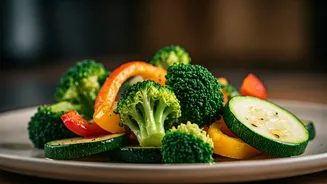
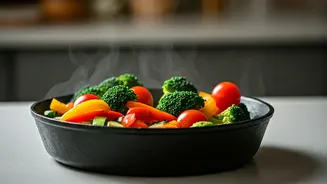
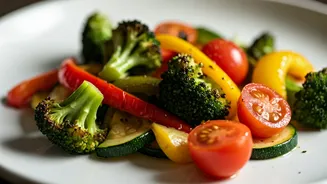
shared a glimpse of her meal in a YouTube vlog, featuring simple sautéed vegetables. This dietary adjustment highlights the crucial role of nutrition in recovery and managing health challenges. The focus on sautéed vegetables is not merely a trend but a therapeutic strategy, as explained by consultant dietitian Garima Goyal. This approach is particularly relevant for individuals navigating the complexities of cancer recovery and aiming to bolster their body's natural defenses against recurrence. The choice reflects an understanding that simple, nutrient-dense foods can have a profound impact on overall well-being during sensitive periods of healing.
Nutritional Powerhouse
Sautéed vegetables, when prepared thoughtfully, offer a remarkable array of nutrients that actively support the body's recovery processes, especially in contexts like cancer recurrence. Consultant dietitian Garima Goyal emphasizes that this cooking method significantly enhances the absorption of fat-soluble vitamins such as A, D, E, and K, alongside vital phytonutrients like beta-carotene and lycopene. These compounds are readily utilized by the body when consumed with healthy fats like olive oil or ghee. Furthermore, the gentle cooking process helps to diminish anti-nutritional factors found in some vegetables, such as oxalates and phytates, which can otherwise impede mineral absorption. This improved digestibility and nutrient uptake are paramount for individuals in recovery, ensuring their bodies receive the essential building blocks needed for healing and resilience.
Fighting Inflammation
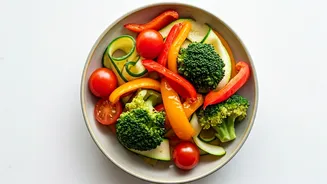
The vibrant array of vegetables commonly used in sautéing offers a potent defense against chronic inflammation and oxidative stress, factors closely linked to cancer progression and recurrence. Garima Goyal points out that colorful produce like bell peppers, zucchini, carrots, and various leafy greens are rich in diverse antioxidants. These powerful compounds work to neutralize harmful free radicals in the body, thereby mitigating cellular damage. Beyond general antioxidant support, cruciferous vegetables such as broccoli, cauliflower, and cabbage are particularly noteworthy. They contain significant levels of sulforaphane, a compound that plays a crucial role in supporting the liver's phase 2 detoxification pathways. This enhanced detoxification capability is vital for clearing the body of potential carcinogens and metabolic byproducts, further contributing to a healthier internal environment.
Optimal Preparation Methods
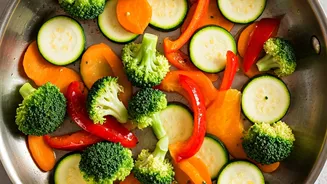
The true therapeutic value of sautéed vegetables hinges on the preparation technique. Garima Goyal advises cooking these vegetables on medium heat, utilizing stable, high-quality fats. Starting with aromatics like garlic and onions not only boosts flavor but also activates beneficial sulfur-containing compounds. It's recommended to introduce harder vegetables first, followed by softer ones, ensuring the final dish retains a pleasant al dente texture rather than becoming mushy. Overcooking should be strictly avoided, as it can diminish the content of heat-sensitive nutrients. Enhancing the dish with spices like turmeric and black pepper can further amplify its anti-inflammatory properties. This methodical approach ensures that the meal is both palatable and maximally beneficial for health.
Consistency and Simplicity
Integrating sautéed vegetables into one's daily diet, whether once or twice a day, presents a practical and maintainable strategy for ongoing health support. The key, as Garima Goyal suggests, lies in prioritizing variety, freshness, and consistent practice over complex culinary creations. Therapeutic nutrition doesn't necessitate elaborate meal plans or costly ingredients. Often, the most profound health benefits stem from the consistent and correct application of simple dietary habits. This philosophy underscores the idea that accessible, wholesome foods, prepared with care, can be cornerstones of effective health management and recovery, empowering individuals to actively participate in their own well-being.