
Nourishing Your Kidneys
Kidney health is a vital aspect of overall well-being, influencing everything from energy levels to the body's ability to filter waste. A nutritionist
highlighted her dietary approach to support kidney function. Her insights offer a simple yet effective plan for maintaining kidney health, focusing on the careful selection of foods and beverages. This proactive method involves making conscious choices to enhance kidney function and promoting long-term well-being. By adopting similar dietary practices, individuals can empower themselves to support kidney health and increase their quality of life. The approach emphasizes the importance of mindful eating and drinking to achieve optimal wellness.
Avoiding Processed Foods
Processed foods can be detrimental to kidney health due to their high sodium, phosphorus, and unhealthy fat content. Consuming excessive amounts of these can place extra strain on the kidneys, potentially leading to long-term health complications. Sodium contributes to increased blood pressure, which is a major factor in kidney disease. Phosphorous, if not properly balanced, can damage the kidneys. Unhealthy fats, present in many processed foods, may cause inflammation and oxidative stress, further worsening kidney function. Avoiding processed foods and opting for fresh, whole foods provides the kidneys with the essential nutrients needed to function correctly while preventing the intake of harmful additives.
Limiting Sugary Drinks
Sugary drinks, including sodas and sweetened juices, are another item on the list to avoid. High sugar intake contributes to weight gain and can lead to conditions such as diabetes, a significant risk factor for kidney disease. These beverages often contain empty calories and provide little nutritional value. They can also contribute to insulin resistance, causing the kidneys to work harder to filter excess glucose. Limiting consumption or entirely avoiding sugary drinks may reduce the risk of kidney disease, improve blood sugar control, and boost overall health. Water is a fantastic alternative, keeping the body hydrated and the kidneys functioning correctly.
Reducing Red Meat Intake
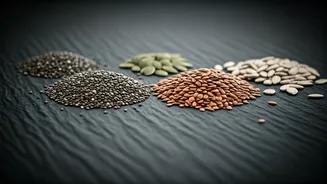
The consumption of red meat, in excess, can put stress on the kidneys. Red meat is rich in protein, and when broken down, it produces waste products that the kidneys must filter out. Overloading the kidneys with protein can make them work harder, which may lead to potential damage over time. Reducing red meat intake and choosing leaner protein sources, such as fish, poultry, beans, and lentils, is a beneficial strategy. Lean protein sources are easier for the kidneys to process, lessening the workload and assisting in maintaining kidney health. Moderate consumption of red meat, rather than eliminating it entirely, can be part of a balanced diet.
Moderating Alcohol Consumption
Excessive alcohol consumption can damage the kidneys and has a direct impact on kidney function. Alcohol can dehydrate the body, disrupting kidney function. Chronic alcohol use can raise blood pressure, which places extra stress on the kidneys. Heavy alcohol use also increases the risk of liver damage, which can indirectly affect kidney health. It is essential to drink alcohol in moderation or to avoid it altogether to safeguard kidney health. Understanding and controlling alcohol consumption is a vital step in caring for the kidneys and maintaining overall well-being. Prioritizing healthy choices helps improve the function of vital organs.
Choosing Dairy Wisely
Certain dairy products can be high in phosphorus, which, in excess, can harm the kidneys. It's not about eliminating dairy entirely but rather making smart choices to manage phosphorus intake. When the kidneys cannot effectively remove excess phosphorus, it builds up in the blood, leading to problems like bone damage. Opting for dairy products with lower phosphorus content can help, such as some types of milk or choosing alternatives like unsweetened plant-based milk. Being mindful of portion sizes and making well-informed decisions about dairy consumption are key to supporting kidney health while still enjoying these foods as part of a balanced diet.