





The Surprising Answer
A deceptively simple riddle, designed to make children pause and reconsider their assumptions, holds a delightful answer that often brings a smile. The
question probes, 'What begins with T, ends with T, and has T in it?' While initial thoughts might gravitate towards words like 'tent' or 'tart' based on the letter pattern, the true solution requires a shift in perspective. The answer is 'teapot'. This clever wordplay highlights that the riddle isn't just about alphabetical sequences but also about the meaning and content of words. This moment of revelation, where the obvious is bypassed for a more nuanced understanding, is a powerful learning opportunity. It demonstrates that effective problem-solving often involves looking at clues from different angles and embracing a bit of wordplay, making the learning experience both memorable and enjoyable for young minds.
Nurturing Thoughtful Thinkers
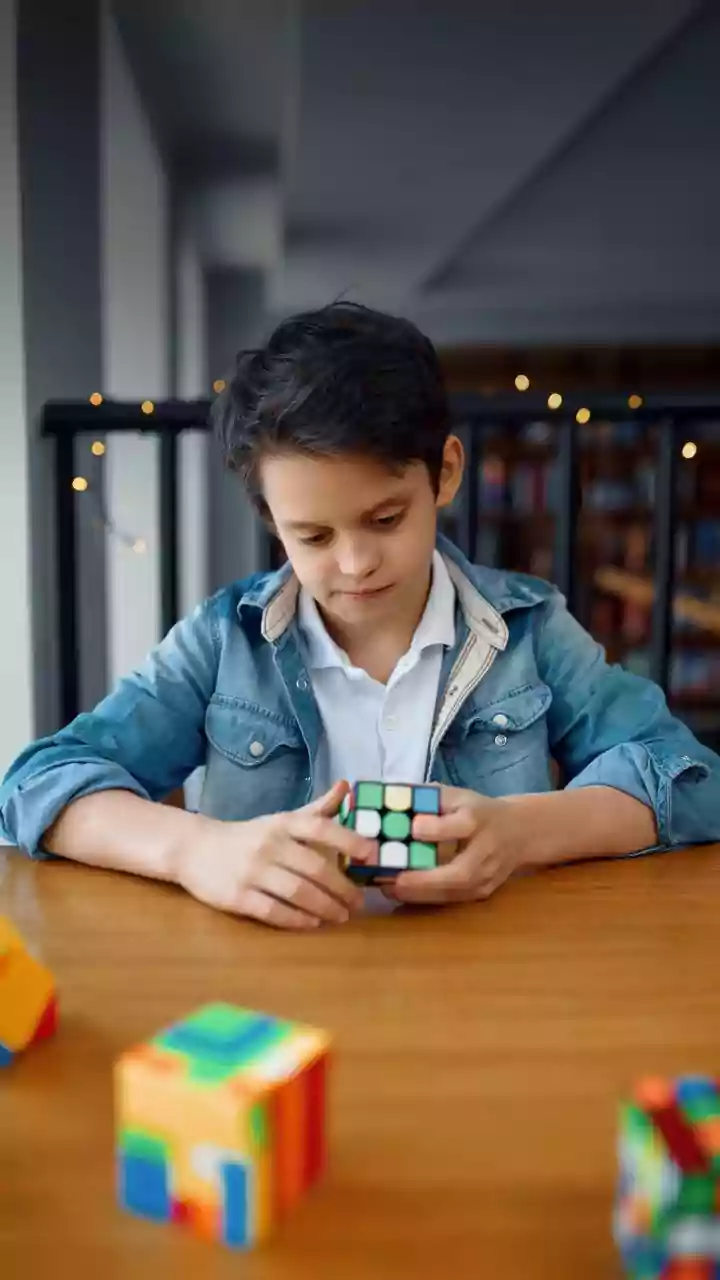
Engaging children with puzzles like this is more than just a game; it's a fundamental way to shape their cognitive development and approach to learning. These exercises gently encourage a slower, more deliberate thought process, teaching kids that not every challenge requires an immediate, surface-level response. They foster essential skills such as sustained attention, the ability to discern subtle clues, and the confidence to explore different avenues before settling on a solution. By promoting curiosity and a willingness to look again, these teasers cultivate individuals who are not just quick responders but also thoughtful explorers, better equipped to tackle complex problems in their studies, relationships, and daily lives. This foundation of curiosity and careful observation is invaluable as they grow.
Making Learning Fun
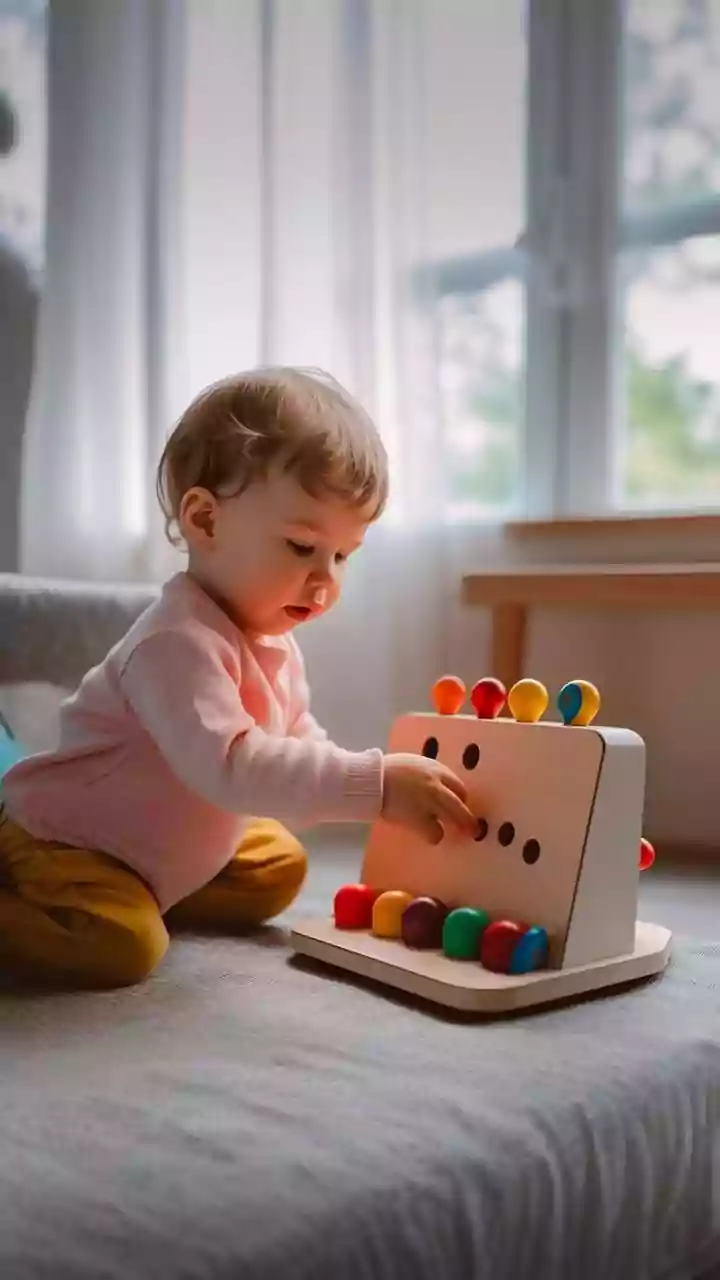
Parents can transform everyday moments into valuable learning opportunities by integrating brain teasers into family routines. Instead of relying solely on books or screens, turning these puzzles into short, engaging games during car rides or at the dinner table can create shared experiences and strengthen family bonds. Providing ample time for children to ponder the question, encouraging free guessing without immediate correction, and celebrating the discovery of the answer together fosters a positive and supportive learning environment. This approach demonstrates that learning can be spontaneous and enjoyable, occurring in unexpected places. The laughter and shared surprise that follow the reveal become cherished memories, reinforcing the idea that curiosity and a little bit of playful thinking are key to understanding the world around them.