






Fan's Cooling Illusion
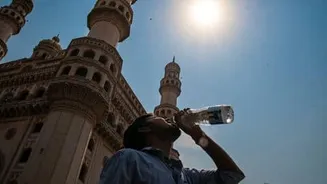
During scorching heatwaves that frequently blanket India, electric fans are often the first resort for relief. However, the World Health Organization (WHO)
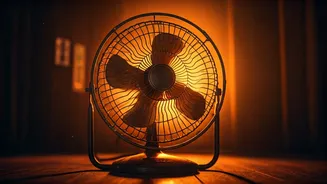
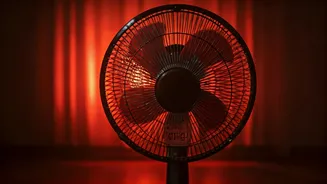
issues a critical warning: these devices can lose their cooling efficacy and even pose a danger once temperatures climb past 40°C (104°F). Dr. Rakesh Pandit, a seasoned medical expert, elaborates that the conventional cooling action of a fan relies on enhancing sweat evaporation. But when the air itself is hotter than your skin temperature, the fan doesn't cool you; instead, it circulates air that adds heat to your body. This means that instead of providing respite, the fan can exacerbate the uncomfortable and potentially dangerous effects of extreme heat, turning a helpful appliance into a source of increased body temperature.
Risks in Extreme Heat
The effectiveness of electric fans hinges on their ability to accelerate sweat evaporation, a natural cooling process for the human body. However, in environments exceeding 40°C, this mechanism falters. Dr. Pandit explains that prolonged exposure to air hotter than body temperature not only hinders evaporation but can actively dehydrate you. This puts significant stress on your cardiovascular system, making it harder for your body to manage its core temperature. The consequences can range from dizziness and weakness to confusion and, in severe instances, heatstroke. When the body cannot effectively dissipate heat, it enters a state of medical emergency, underscoring the critical need to reassess fan usage during peak heat conditions.
Indoor Heatwave Safety
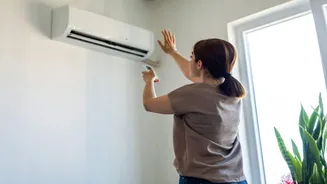
To navigate intense heatwaves safely indoors, Dr. Pandit advises prioritizing cooler environments within your home. Seek out the coolest room and consider spending time in public, air-conditioned spaces if your home becomes unbearable. Crucially, keep windows and doors shut during the day to prevent hot air infiltration, only opening them after sunset when external temperatures have decreased. Keeping curtains and blinds drawn throughout peak sunlight hours is also essential to minimize heat absorption. Hydration is paramount; consistently drink ample fluids, primarily water, to combat dehydration. Other protective measures include wearing light, breathable clothing, avoiding heavy meals and strenuous activities, taking cool showers, and using damp cloths on the skin. Reducing indoor heat by switching off unnecessary lights and appliances further aids in maintaining a safer internal temperature.
Vulnerable Populations
Certain groups are disproportionately affected by extreme heat and require extra vigilance. Elderly individuals, young children, outdoor laborers, and those with pre-existing chronic conditions like heart disease, diabetes, or kidney issues are particularly vulnerable. Their bodies may struggle to regulate temperature effectively, making them more susceptible to heat-related illnesses. Children dehydrate more rapidly, while outdoor workers face prolonged direct exposure to high temperatures. It is imperative for families and communities to be aware of the early indicators of heat exhaustion and heatstroke in these at-risk individuals, ensuring prompt recognition and intervention when symptoms arise.
Recognizing Danger Signs
Promptly identifying the signs of heat exhaustion and heatstroke is vital for preventing serious health consequences. Key symptoms that demand immediate attention include excessive fatigue, persistent headaches, dizziness, nausea, muscle cramps, confusion, and skin that feels hot and dry. Dr. Pandit emphasizes a critical red flag: if an individual becomes disoriented or stops sweating, this signifies a severe inability to cool down. In such cases, immediate cooling measures and urgent medical assistance are non-negotiable. Early detection and swift action can be life-saving when dealing with the extreme dangers posed by India's escalating heatwaves.