





Safety First
When facing post-storm yard chaos, prioritizing safety is paramount. Always begin with a thorough visual inspection of your property before engaging with any
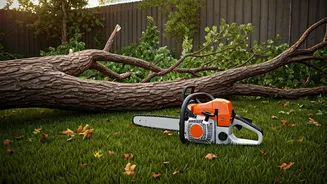
debris. Be acutely aware of potential hazards like loose branches that could fall unexpectedly, especially after ice storms, and be mindful of slippery surfaces hidden beneath snow or accumulated ice. Identifying tripping hazards that might be obscured is also crucial. Begin clearing accessible pathways such as driveways and walkways, as well as entry points like gates. This ensures safe passage for yourself and allows emergency services unobstructed access if needed. Standard safety gear includes eye protection, sturdy steel-toed boots, and robust leather gloves, as wet or frozen branches can snap unpredictably and their jagged edges can easily pierce lighter gloves. Remember that lifting heavy, water-logged branches requires caution; instead of dragging them, utilize a tarp or a wheelbarrow to prevent strain and potential damage to your home's exterior, like siding or gutters.
DIY Debris Management
Many storm-related cleanup tasks can be handled effectively by homeowners, saving on professional service costs. For manageable debris like twigs, leaves, and smaller fallen branches, a DIY approach is often feasible. When dealing with larger limbs, it's advisable to break them down into smaller, more manageable sections rather than attempting to move them whole. This significantly reduces the risk of back injury, as water-soaked wood is substantially heavier. If branches are pinning down other debris or resting precariously on fences, approach with extreme caution, being mindful of falling materials or any whip-like action from tensioned fence parts as you saw or clear them. For disposal, consult your local municipality's guidelines regarding organic versus construction debris. Branches under 4 inches in diameter can often be cut into 4-foot lengths and bundled for standard curbside pickup, while larger items or fencing materials might require trips to a local collection center or specialized disposal arrangements. Sorting materials into distinct piles—organic for branches and limbs, and another for structural components like fence boards or shingles—will streamline the disposal process.
When to Call Pros
While DIY cleanup is often possible, certain situations demand professional expertise for safety and to prevent further damage. The most critical scenario is the presence of downed power lines; never approach them, stay at least 30 feet away, and immediately contact your utility company or emergency services. Other indicators that professional intervention is necessary include detached gutters, significant roof shingle loss, or any debris resting on your roof. If a large tree or substantial limbs are leaning precariously, split, or intertwined with another tree, professional rigging and heavy equipment are required to bring them down safely, avoiding further structural damage or creating dangerous 'widow maker' situations. Any task involving climbing, working at heights, using a ladder above your head, or operating a chainsaw overhead should be left to trained professionals. Similarly, if roof damage extends beyond the surface shingles into the underlying decking or rafters, it constitutes a structural issue that requires immediate attention from qualified contractors.
Addressing Property Damage
Following a storm, property damage such as missing shingles or a downed fence needs prompt attention. Before undertaking any cleanup or repairs, document the damage thoroughly by taking photos for insurance purposes. A damaged fence can typically be dismantled and disposed of to clear the area for replacement. For roof damage, if it can be safely accessed from the ground or a low ladder, cover the exposed area with a temporary tarp to prevent water ingress. It is crucial to contact a qualified roofing contractor without delay to assess the extent of the damage and initiate repairs. Minor issues like missing shingles can quickly escalate into significant leaks and extensive water damage if left unaddressed, compromising the integrity of your home's structure.