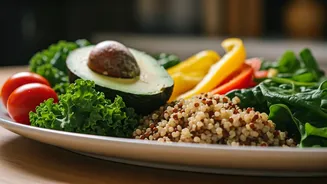








Spinach's Amazing Benefits
Spinach is a true nutritional champion, celebrated for its capacity to aid in regulating blood sugar levels, making it a valuable addition to a balanced
diet. Beyond this, its rich composition offers a wealth of other advantages. It's a fantastic source of hydration due to its high water content and acts as a natural detoxifier for the body. The ample fiber content promotes excellent digestive health, ensuring smooth bodily functions. Furthermore, spinach is a significant contributor to the body's red blood cell production, thanks to its substantial iron content, which in turn helps boost overall energy and stamina. This leafy green is also packed with vital antioxidants such as vitamin C, beta-carotene, and lutein. These compounds are instrumental in fostering healthy, radiant skin, promoting strong, lustrous hair, and fortifying the immune system against common ailments. The presence of nitrates within spinach contributes positively to cardiovascular health by improving blood circulation, while its rich reserves of vitamin K and calcium are essential for maintaining robust bone structure. Additionally, the lutein and zeaxanthin found in spinach play a critical role in safeguarding vision, significantly lowering the risk of developing age-related macular degeneration, thus preserving eyesight for longer.
Raw Spinach Concerns
While spinach boasts numerous health advantages, consuming it in its raw state presents certain challenges due to the presence of oxalic acid. This naturally occurring compound has the tendency to bind with essential minerals like calcium and other vital nutrients within the body. When spinach is eaten uncooked, this oxalic acid remains undissolved, thereby hindering the body's ability to absorb crucial minerals such as calcium and iron. Experts emphasize that cooking spinach effectively neutralizes these compounds and also eliminates any potential bacteria, making it a safer and more digestible option. Even a brief period of steaming or blanching can significantly mitigate the issues associated with raw consumption. The breakdown of oxalic acid through heat also ensures that the body can access and utilize the beneficial nutrients present in spinach more efficiently. However, it's important to note that this concern primarily applies to individuals prone to acidity, as raw spinach and kale can potentially lead to digestive discomfort and constipation in such cases. Overconsumption, whether raw or cooked, can lead to an excess of oxalates, which might impede iron absorption. To counteract this, pairing spinach with vitamin C-rich foods, such as lemon juice or oranges, can significantly enhance iron bioavailability, ensuring your body can make the most of this essential mineral.
Optimal Preparation Methods
To harness the full spectrum of benefits that spinach offers without the drawbacks of its raw form, strategic preparation is key. Experts recommend blending or lightly blanching spinach rather than juicing it. This approach is crucial for preserving the vital fiber content, which is essential for maintaining healthy digestion and promoting a feeling of satiety, thereby aiding in weight management. Complementing spinach with other hydrating and alkaline ingredients, such as cucumber or celery, can further elevate its nutritional value and enhance its overall health impact. These additions not only make the dish more palatable but also contribute additional vitamins and minerals. When considering how to incorporate spinach into your diet, remember it should serve as a component of a comprehensive meal plan that includes a variety of vegetables, fruits, proteins, and healthy fats. It is not intended to be a sole health solution but rather a supportive element within a balanced dietary framework. For those concerned about mineral absorption, particularly iron, the advice is to pair spinach with foods high in vitamin C, like a squeeze of lemon or a side of citrus fruit, to boost the body's ability to absorb iron. As for frequency, a moderate intake, around three to four times a week, is generally advised to reap the benefits without overdoing it. Lastly, it's advisable to avoid consuming spinach with dairy products, as the calcium present in dairy can potentially interfere with the absorption of iron from spinach.